


Vintage Silver Plated Candle Holders
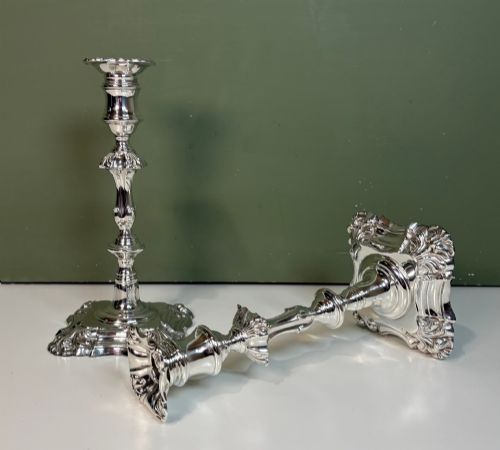
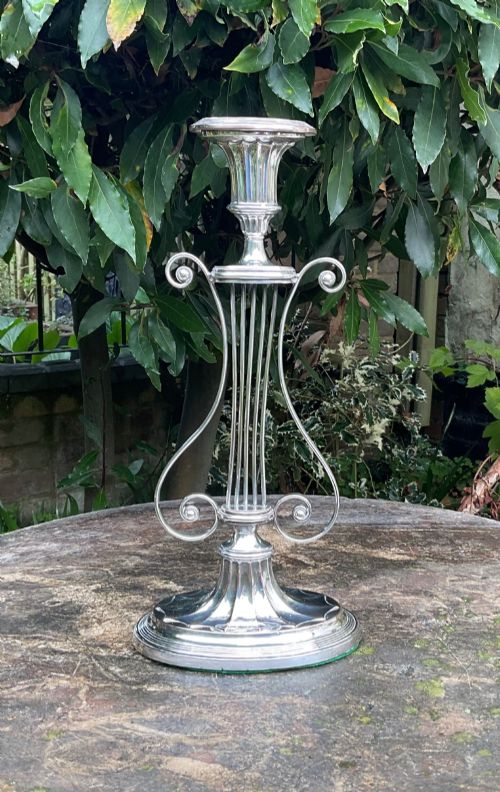
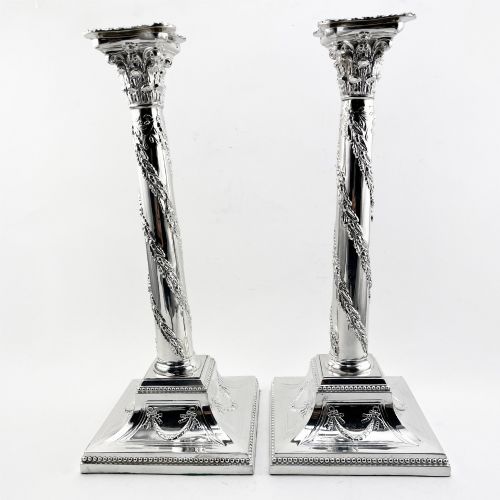
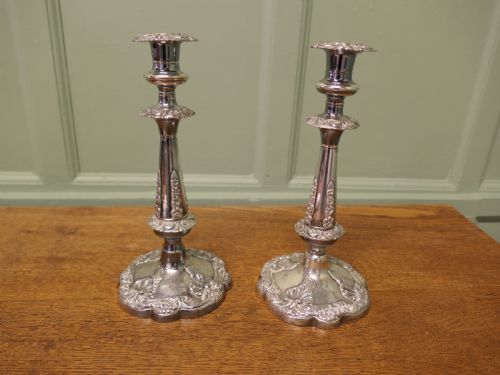
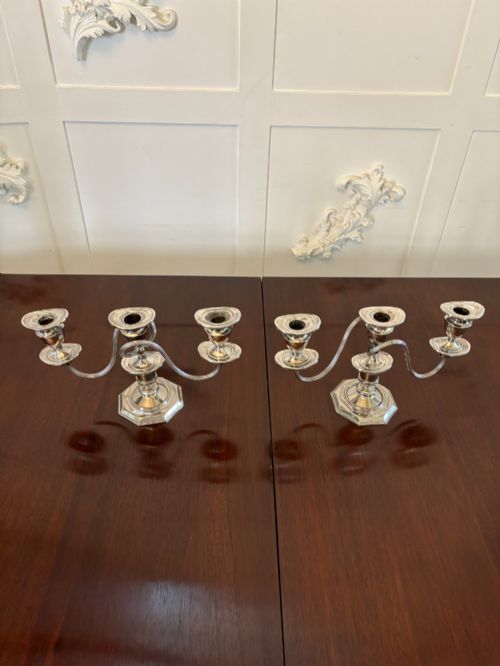
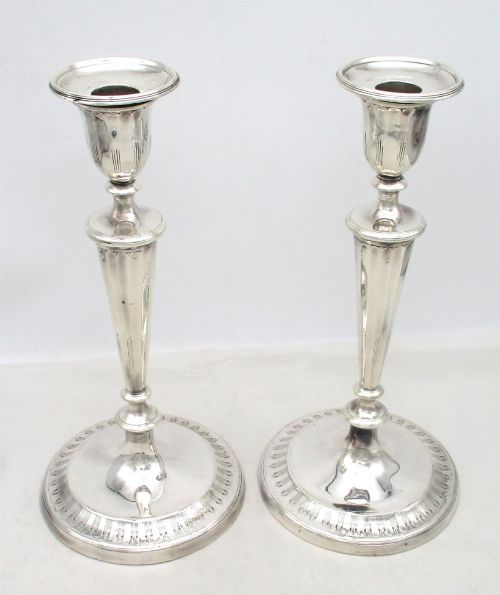
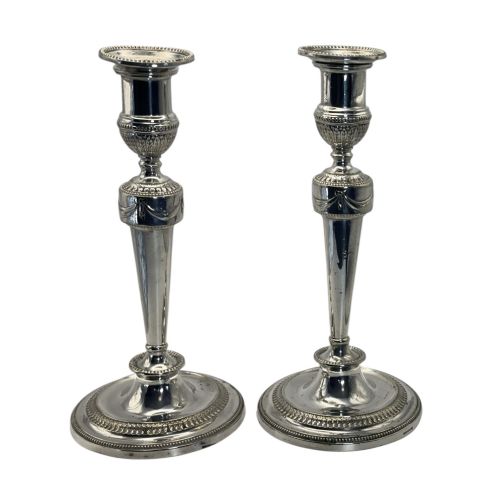
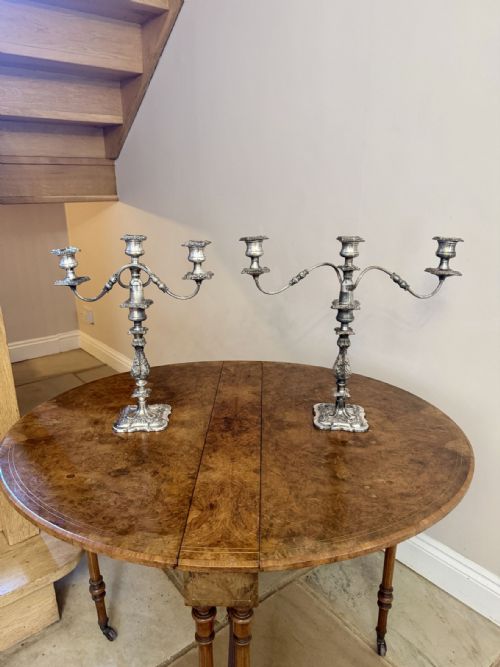
These vintage silver plated candle holders bring formal dining and mantelpieces to life with their gleaming metal and period ornament.
Vintage Silver Plated Candle Holders
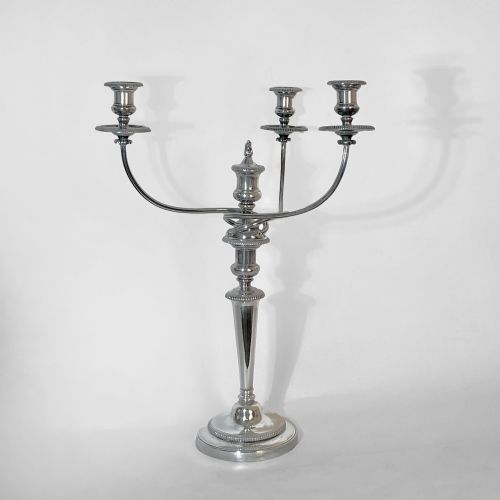
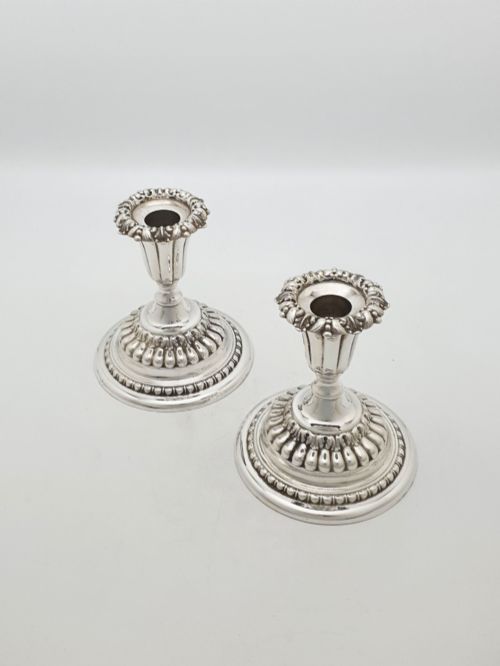
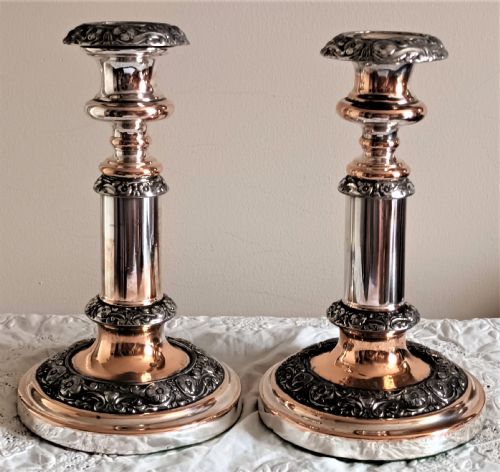
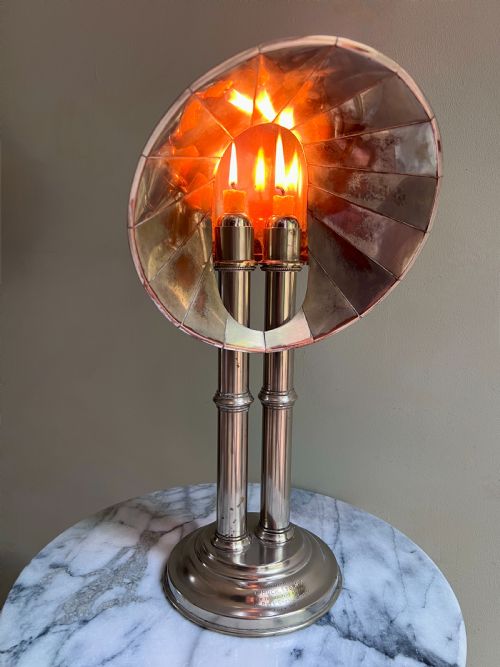
Vintage silver plated candle holders span forms from single candlesticks and multi-arm candelabras to chambersticks, reflector lamps, and wall sconces. You will most frequently encounter pairs of candlesticks and candelabras originating from the nineteenth and early twentieth centuries.
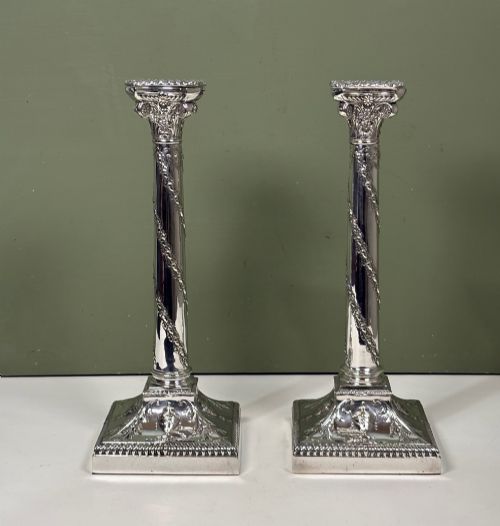
The selection ranges across distinct periods, drawing heavily on Georgian, Victorian, Edwardian, and Art Deco design aesthetics. Makers adopted historical revivals such as Neoclassical, Regency, and Rococo to shape these practical domestic objects into decorative centrepieces.
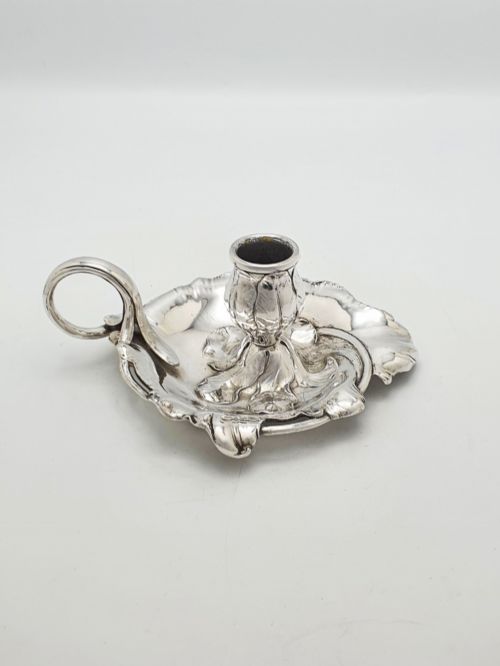
Object variations include low chambersticks meant for bedside use alongside tall column designs and telescopic shafts designed to adjust height. Base metals beneath the plating commonly incorporate copper, brass, and EPNS.
How they were made
Manufacturers applied thin layers of silver over base metals like copper, brass, and electroplated nickel silver. Early pieces relied on Old Sheffield Plate techniques, fusing silver to a copper core.
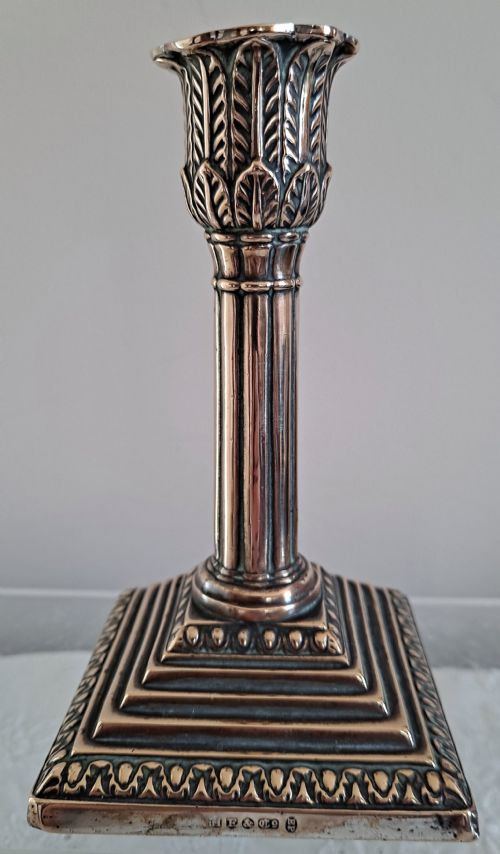
Ornate details such as Corinthian capitals, leaf forms, and cast scrollwork derived from specialised stamping, soldering, and chasing methods. Makers often weighted the hollow bases with lead or resin to ensure stability.
Vintage Silver Plated Candle Holders Retail Price Guide 2026
Typical asking prices for vintage silver plated candle holders among the pieces listed under this phrase on Sellingantiques today, from the lower quarter to the upper quarter. They describe what is for sale here now, not the wider market.
Listings feature items spanning the eighteenth, nineteenth, and twentieth centuries, utilising copper, brass, and electroplated nickel silver.
What varies in quality
The crispness of cast ornament and detailing separates standard items from exceptional pieces. Heavy base metal gauge and substantial weight signal superior manufacturing standards.
The preservation of the original silver plating over the underlying copper or brass dictates overall integrity. Well-balanced proportions in column and candelabra arms distinguish finer workshops.
Mappin & Webb·WMF·Smith & Sissons & Co·Barker Ellis
The Vintage Silver Plated Candle Holders Glossary
- Old Sheffield Plate
- An early method of fusing a thin sheet of silver to a thicker copper ingot before rolling and shaping.
- EPNS
- Electroplated nickel silver, a durable alloy base coated with a layer of pure silver through an electrical process.
- Chamberstick
- A low candle holder featuring a flat saucer base and a loop handle, historically utilised for lighting bedroom routes.
- Candelabra
- A branched lighting fixture designed to hold multiple candles simultaneously on a central stem.
- Telescopic
- A sliding shaft mechanism permitting the adjustable extension of the candlestick height.
Vintage Silver Plated Candle Holders: Frequently Asked Questions
How do I clean them?
Use a soft cloth and a specialised silver polish designed for plated items to maintain the shine without wearing through the thin metal layer.
Avoid harsh abrasive cleaning pads and chemical dips that can strip the remaining silver finish from the copper or brass substrate.
What is Old Sheffield Plate?
Old Sheffield Plate involves a mechanical fusion technique where a silver sheet is bonded to a copper base prior to shaping.
This early method often reveals subtle lines of warm copper showing through where the silver plating has thinned over decades of use.
Can I use standard candles?
Most holders accommodate standard dinner taper candles, though older variations occasionally require minor trimming at the base for a secure fit.
Inspecting the nozzle diameter helps determine the correct candle size to prevent leaning and dripping wax onto the metal.
How do I date a piece?
Dating relies on stylistic clues like Art Nouveau motifs, Georgian column orders, and stamped registry marks or maker initials on the base.
The weight, construction seams, and underlying metal composition also offer clear indicators of the manufacturing era.