

Vintage Silver Plate Holders
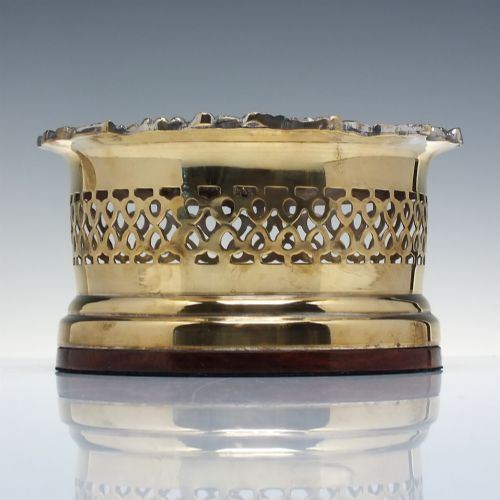
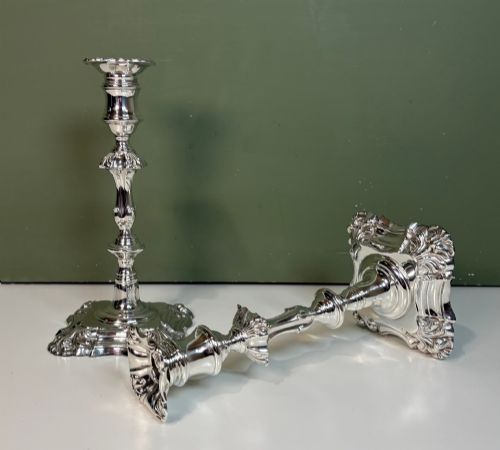
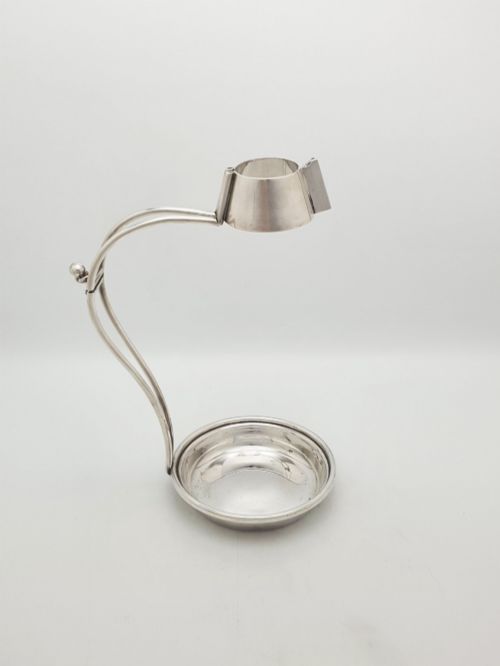
These vintage silver plate holders bring functional elegance to the dining table, offering sturdy frames for bottles, toast, and candles.
Vintage Silver Plate Holders
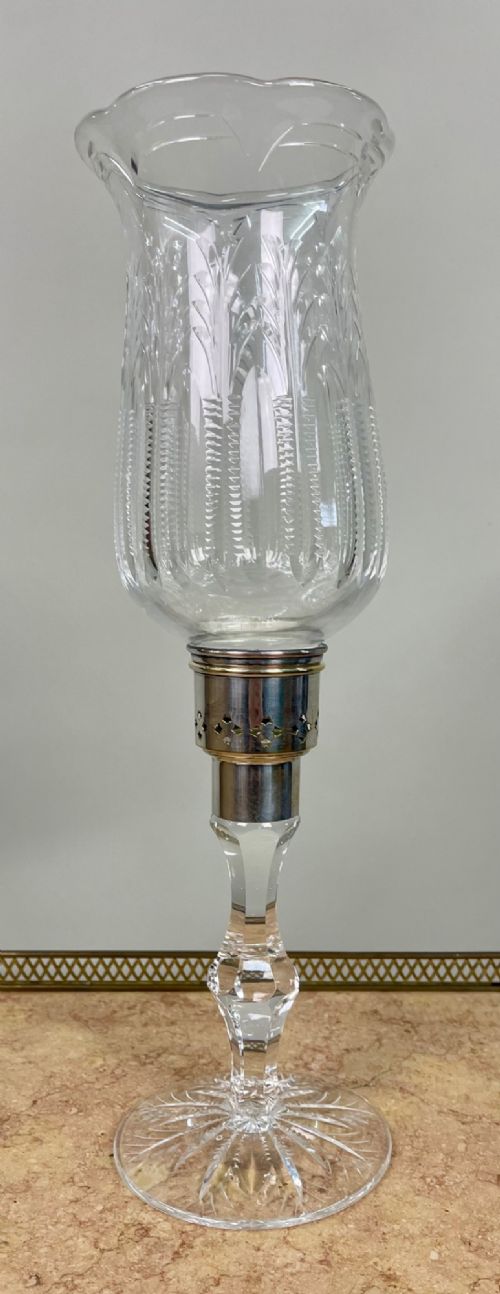
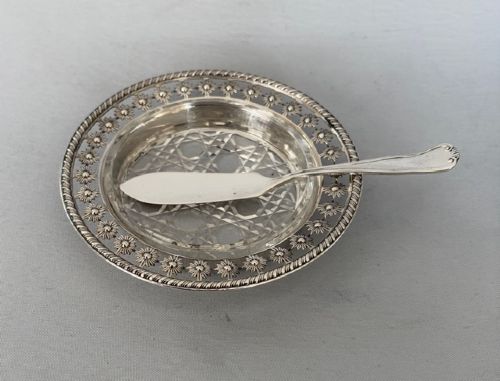
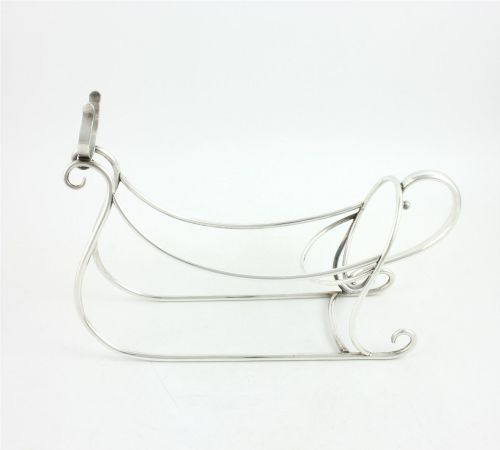
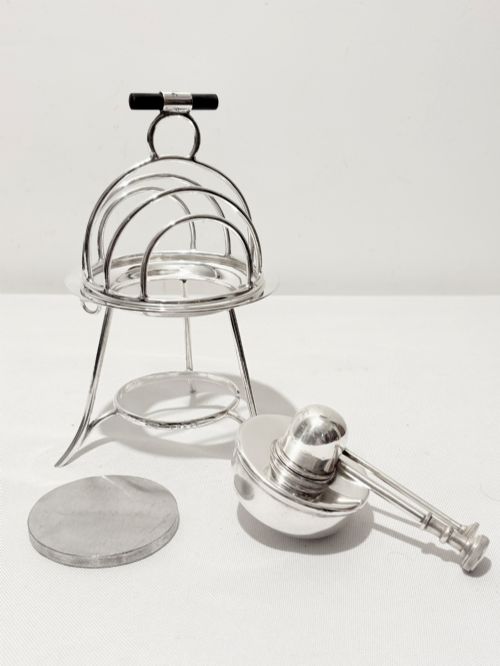
Origins span from the nineteenth century through the Edwardian era into the Art Deco period, demonstrating shifts in domestic hospitality. Items range from simple desk tidies and knife rests to substantial decanter stands and telescopic candle lamps.
Materials and construction methods
Makers utilised a base metal, typically copper, brass, or nickel silver, which was then coated in a layer of silver through plating techniques like Old Sheffield plating or electroplating. This method provided the visual appeal of solid silver at a more accessible cost while maintaining structural rigidity.
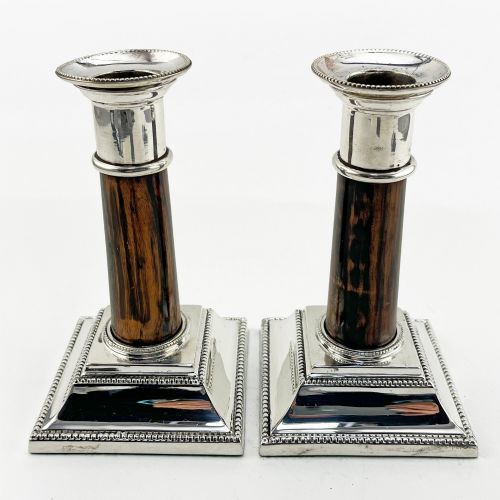
Many items incorporate mixed media, pairing the plated metal frames with turned wood bases such as mahogany or oak, and fitted cut glass inserts for inkwells and bottles. Structural integrity often relied on soldered joints, cast decorative mounts, and pierced sheet metal work.
Vintage Silver Plate Holders Retail Price Guide 2026
Typical asking prices for vintage silver plate holders among the pieces listed under this phrase on Sellingantiques today, from the lower quarter to the upper quarter. They describe what is for sale here now, not the wider market.
Several Victorian items take playful animal forms, including a pair of heavy brass and silver plated bull head knife rests.
Assessing quality in silver plate
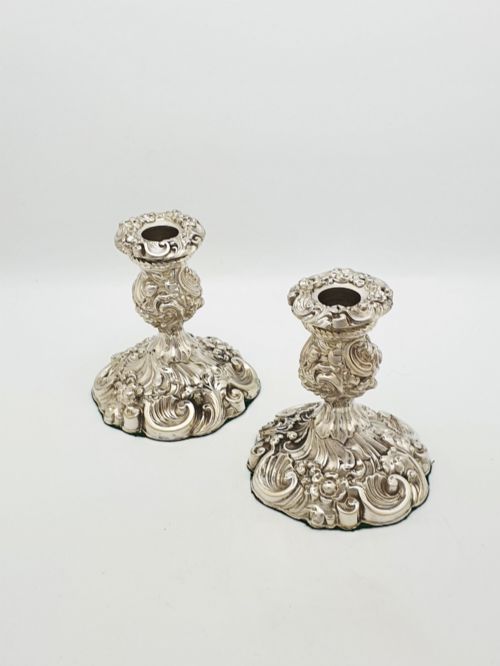
Quality rests in the crispness of cast ornamentation and the thickness of the applied silver layer over the base metal. Superior items display deep, sharp embossing, well-executed pierced patterns, and sturdy construction that resists bending under normal use.
The choice of secondary materials also dictates the standard of the piece, with heavier gauge metals, substantial hardwood bases, and weighty cut glass inserts separating the finer examples from standard production items.
Walker & Hall·Mappin & Webb·Martin Hall & Co·Elkington·WMF·Brook & Son·Harrods
The Vintage Silver Plate Holders Glossary
- Old Sheffield Plate
- An early method of fusing a thin sheet of silver to a thicker copper core by heat and pressure before rolling it into sheets.
- Electroplated Nickel Silver
- A process introduced in the nineteenth century where a layer of silver is deposited onto a nickel silver alloy using an electrical current.
- Tantalus
- A locking beverage stand designed to secure decanters while allowing their contents to remain visible.
- Cruet Set
- A matched set of small bottles, jars, or racks designed to hold condiments and sauces for the dining table.
- Chamberstick
- A low candlestick fitted with a pan to catch dripping wax and a handle for carrying it around a house.
Vintage Silver Plate Holders: Frequently Asked Questions
What is a silver plate toast rack?
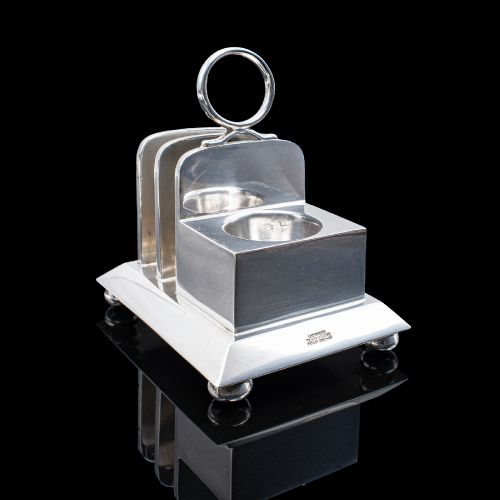
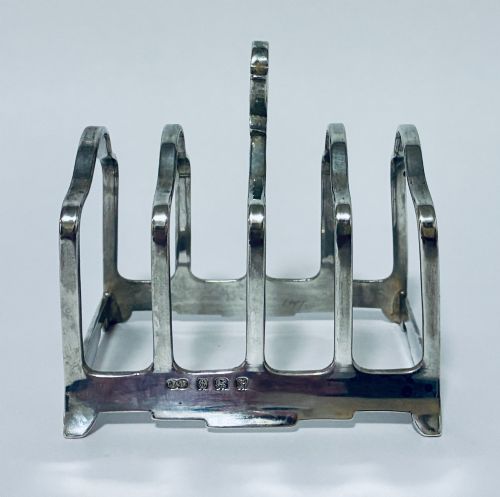
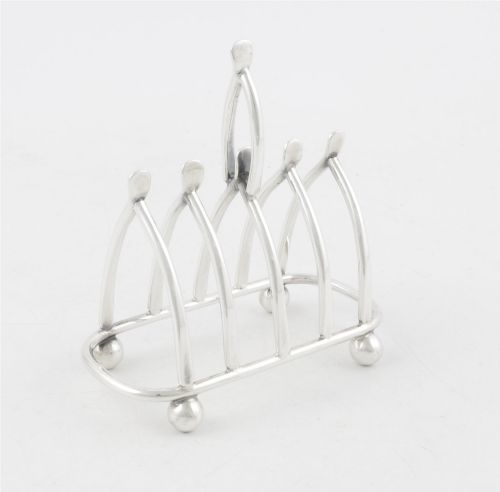
A toast rack is a small tabletop frame fitted with vertical metal dividers designed to hold slices of toast upright, preventing them from becoming soggy through condensation.
These items date predominantly from the Victorian and Edwardian periods when formal breakfast rituals required dedicated tableware.
How do I clean vintage silver plate?
Cleaning requires a gentle silver polish applied with a soft cloth to remove tarnish without wearing away the thin layer of silver plating over the base metal.
Harsh abrasive cleaners and chemical dips must be avoided, particularly on antique pieces with soldered joints or mixed materials like wood and glass.
What is a wine bottle holder used for?
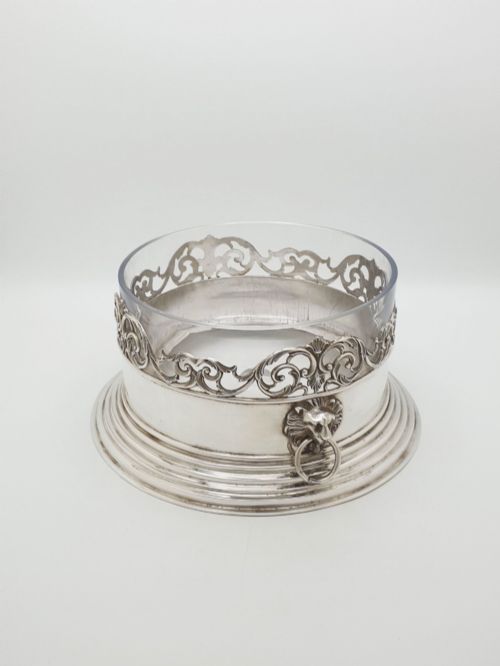
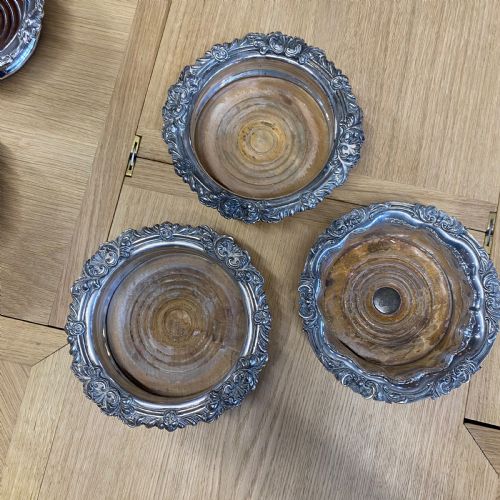
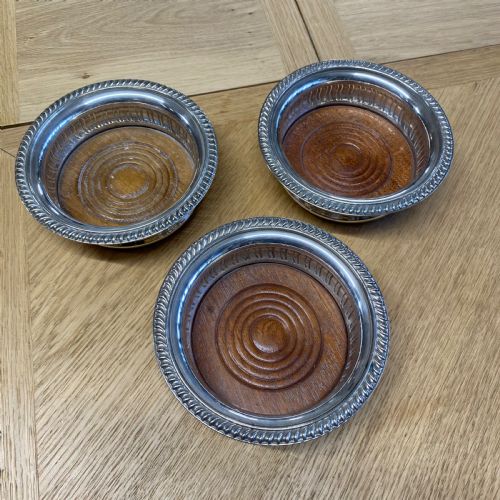
Wine bottle holders, including coasters and stands, were designed to protect dining table surfaces from moisture rings and drips while serving wine.
Many nineteenth-century examples feature turned wooden bases or wheeled carriages so bottles could be slid easily along the table after a meal.
How can I tell Old Sheffield Plate from electroplate?
Old Sheffield Plate often reveals a faint reddish copper line along edges or worn spots where the outer silver layer has thinned through centuries of polishing.
Electroplated items typically reveal a greyish nickel alloy base metal underneath areas of extensive wear rather than copper.