




Vintage Silver Picture Display
These vintage silver picture display pieces bring timeless elegance to interiors, holding cherished photographs behind gleaming metal and glass.
Vintage Silver Picture Display
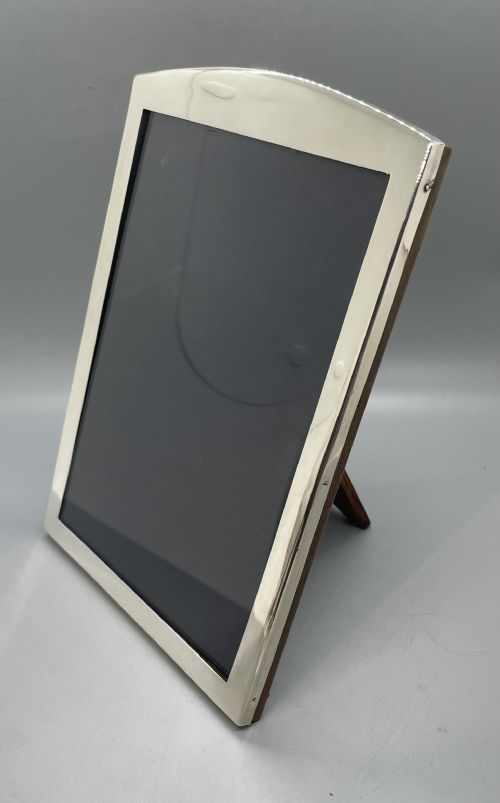
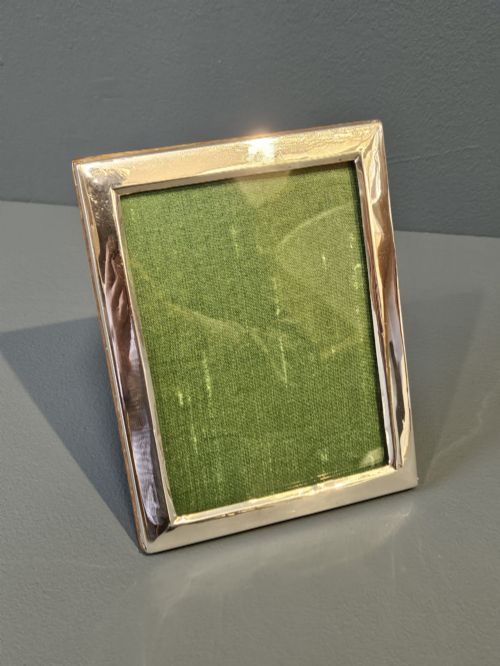
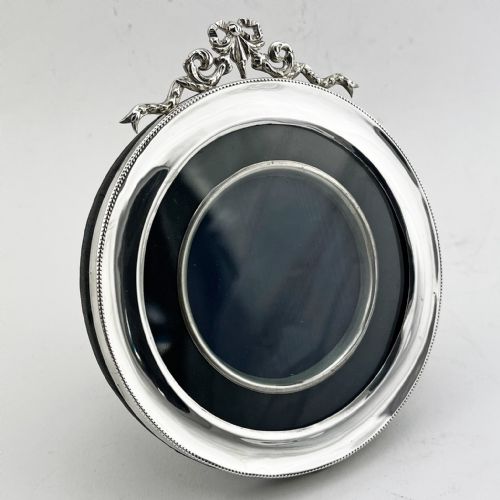
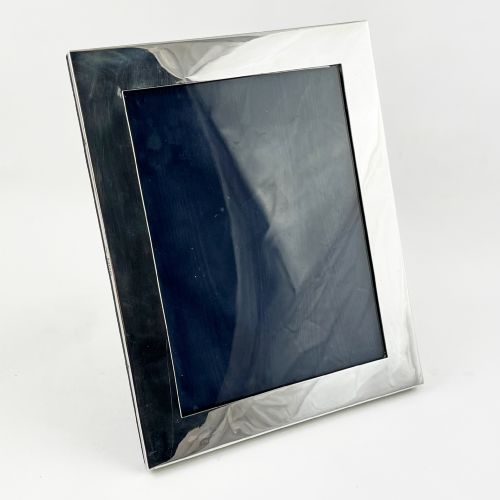
When buyers search for vintage silver picture display, they encounter a range of items designed to showcase photographs and mirrors within domestic spaces. The selection on this page primarily consists of photo frames, picture frames, and wall mirrors originating from the Victorian, Edwardian, George V, and mid-twentieth century periods.
Most items are sterling silver or 800 silver constructions, often housing backing materials like wood, oak, black leather, or blue velvet. These pieces serve both functional and decorative purposes, designed either to stand independently on surfaces or to hang securely upon walls.
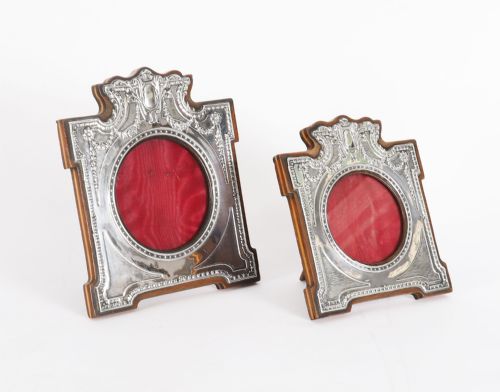
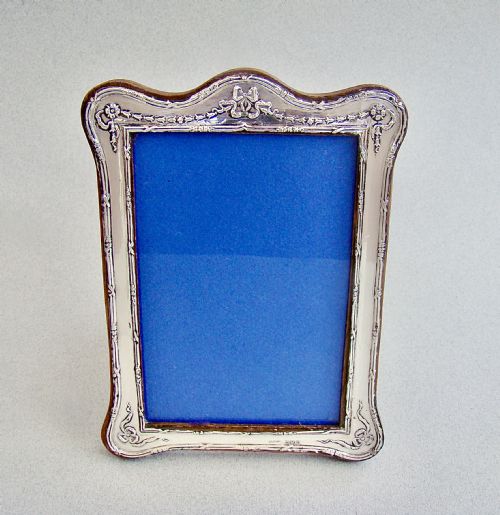
The aesthetic variety spans heavily embossed floral borders, planished surfaces, and clean geometric lines associated with the Art Deco movement. Buyers frequently find matching pairs alongside single standalone frames and unusual wall mirrors featuring figural details.
How they were made
Silversmiths constructed these frames using sterling silver and 800 silver, often embossing, engraving, or planishing the metal surfaces to create rich floral borders and distinctive textures. Chrome also appears alongside glass in later twentieth-century pieces.
Structural support was provided by internal wooden foundations, frequently fashioned from oak. Backings were finished with tactile materials including plush velvet, supple leather, and fitted wooden panels to secure the glass and photograph within the metal housing.
What varies in quality
Quality in these items rests upon the depth of the metalwork and the clarity of the maker stamps or hallmarks. Heavier gauge silver provides greater structural integrity and longevity, while crispness in embossed floral motifs or engraved patterns demonstrates superior craftsmanship.
The condition and integrity of the original backing materials - such as undisturbed velvet, original leather, and sturdy wood - contribute significantly to the overall desirability of each piece. Frames retaining their original glass and secure easel supports consistently represent higher manufacturing standards.
Mappin Bros·W.I.Broadway & Co·Pinci, Roma·William Comyns
The Vintage Silver Picture Display Glossary
- Sterling silver
- An alloy containing 92.5 percent silver by mass, widely utilised across British frames for durability and shine. It forms the standard metal basis for many antique items on this page.
- Planished
- A metal surface finish achieved by hammering with a small, flat-faced tool to produce subtle, light-reflecting facets. This technique creates a distinctive handmade texture on silver frames.
- Hallmark
- An official stamp applied to precious metals indicating standard of purity, assay office, and date letter. These marks allow collectors to trace the exact origin and year of manufacture.
- Easel back
- A hinged supporting leg attached to the reverse of a frame to allow upright placement on flat surfaces. This functional component is commonly paired with leather or velvet coverings.
Vintage Silver Picture Display: Frequently Asked Questions
How do I clean vintage silver frames?
Use a soft microfiber cloth with a gentle, non-abrasive silver polish to maintain the shine without damaging embossed details. Avoid harsh chemical dips that can strip the natural patina accumulated over decades.
Take care to keep moisture and polish away from the original leather or velvet backing materials. Gentle upkeep preserves both the metal surface and the structural integrity of the frame.
Are these frames suitable for modern photos?
Most antique frames accommodate standard photographic dimensions, though older pieces may occasionally require trimming to fit exact apertures. Standard prints slip easily behind the existing glass panels.
Ensure that any modern replacement backing materials do not introduce acids that could damage historical components. Careful measurement guarantees your photographs sit securely within the vintage housing.
How do I date an antique silver frame?
Examine the silver hallmarks stamped onto the metal border, which typically include assay office symbols and date letters. These official marks provide the exact year and location of manufacture.
Stylistic cues such as floral embossing, geometric Art Deco lines, or the presence of specific maker marks also help determine the period. Combining hallmark evidence with design characteristics yields an accurate timeline.
What is the difference between sterling and 800 silver?
Sterling silver contains 92.5 percent pure silver, representing the British standard for durable metalware. It is commonly found on domestic items produced across the UK.
Eighty-hundred silver contains slightly less pure silver by weight and is frequently encountered on continental European pieces, such as Italian imports. Both standards offer robust construction for decorative picture frames.