

Vintage Silver Pedestal
These vintage silver pedestal pieces combine raised elevation with gleaming metalwork, offering both practical utility and decorative presence.
Vintage Silver Pedestal
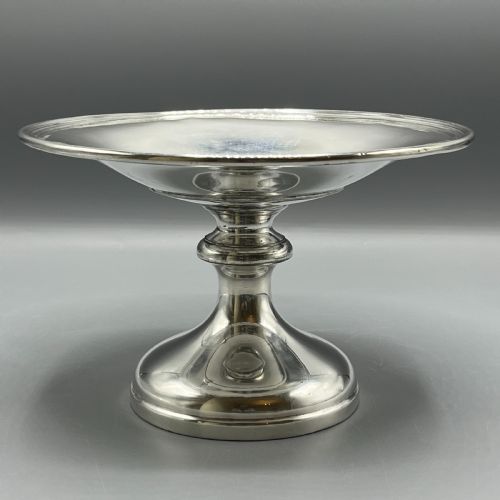
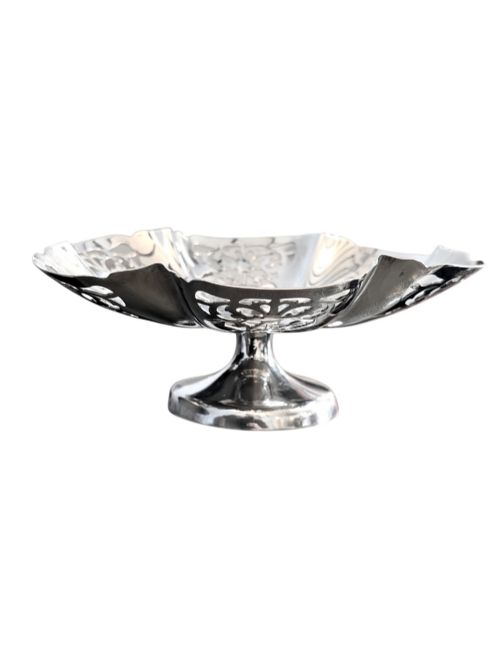
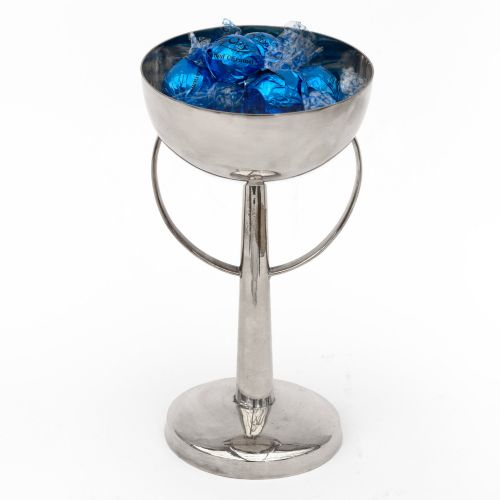
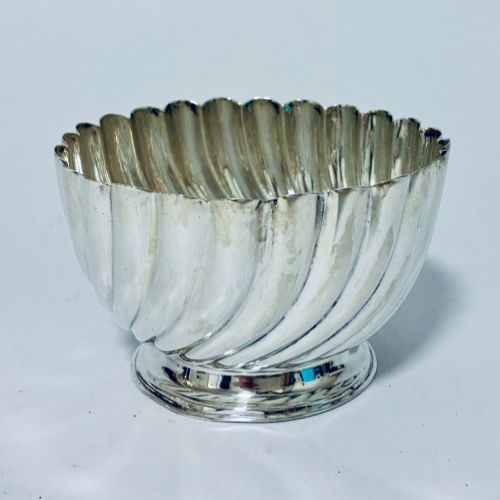
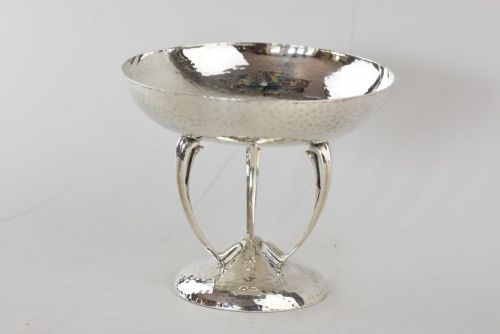
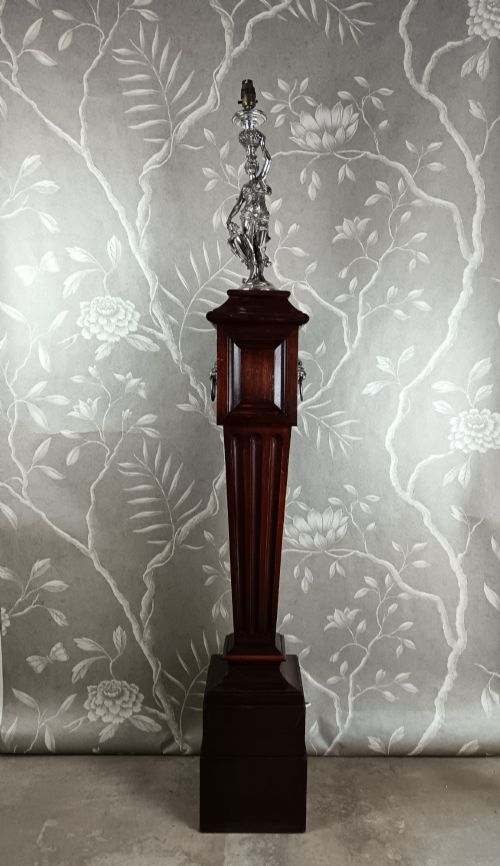
A vintage silver pedestal search covers a diverse selection of raised vessels and stands, spanning bowls, tazzas, wine coolers, and lamps. Buyers looking for this phrase most frequently encounter silver-plated or sterling items featuring elevated bases from the Edwardian, Art Deco, and Victorian eras.
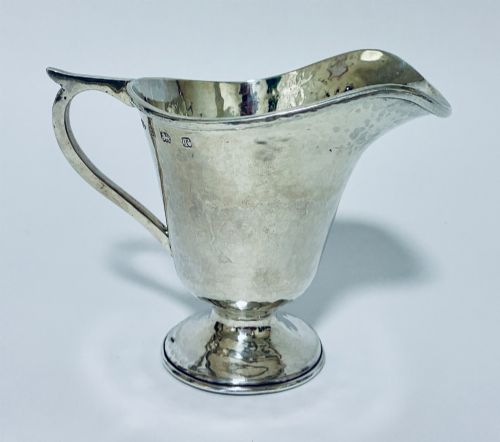
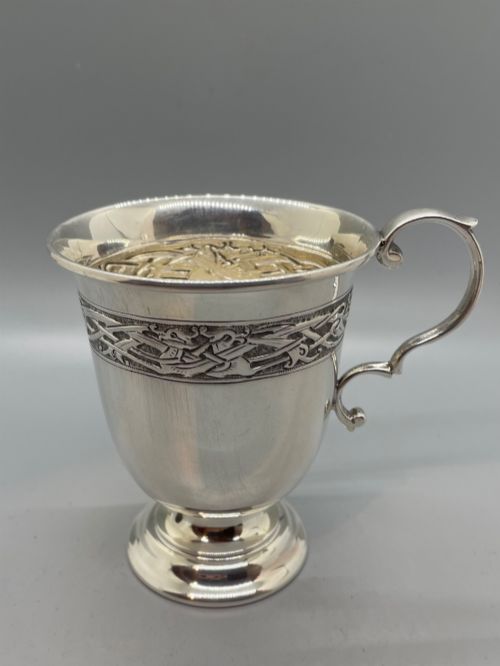
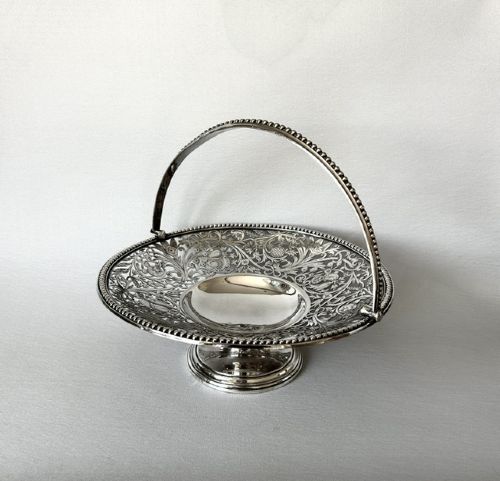
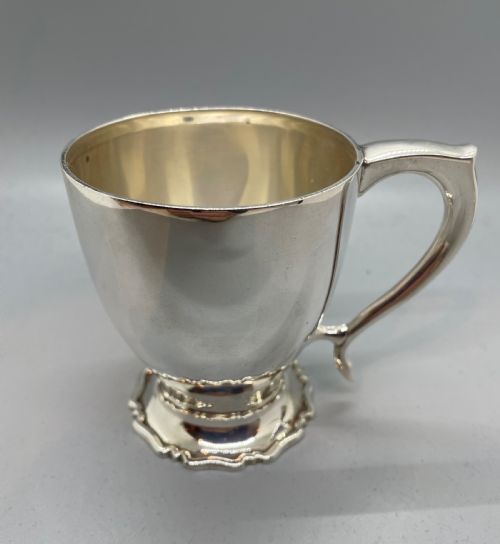
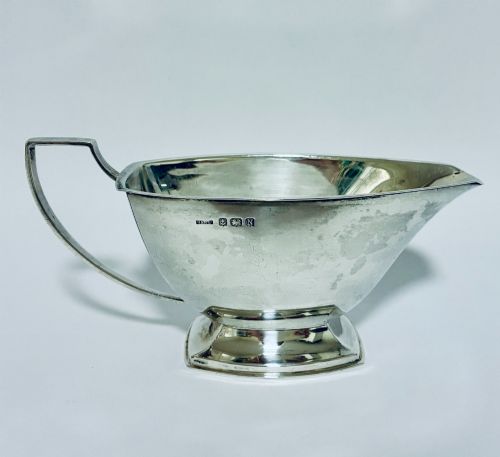
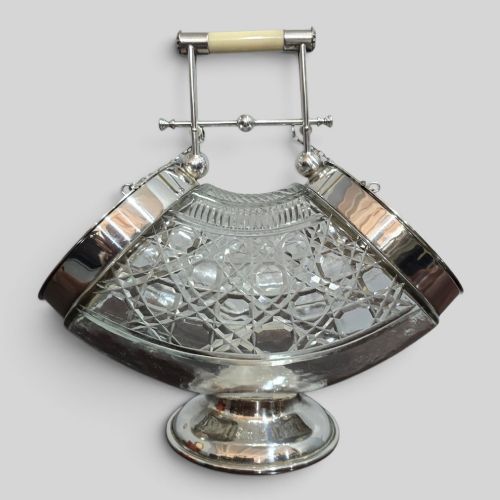
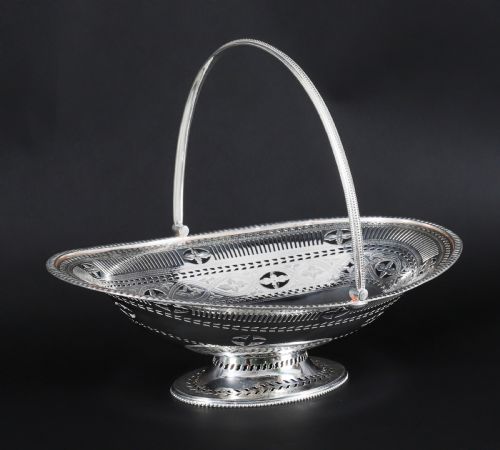
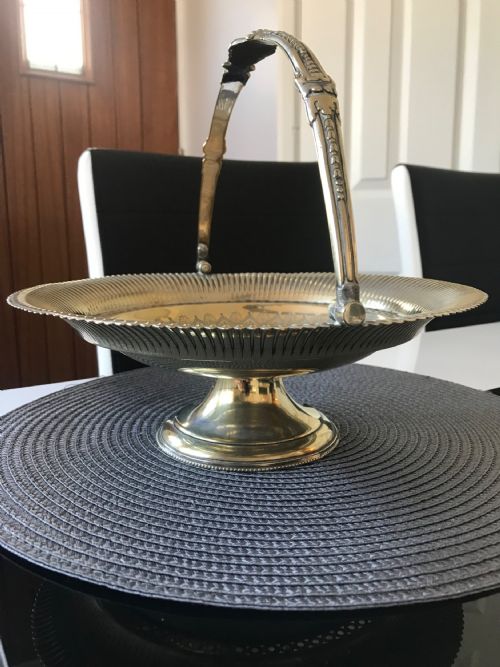
The assortment includes domestic serveware alongside decorative objects like tazze, fruit baskets, and trophy coolers. Forms stretch from Georgian tea urns and sauce boats down to mid twentieth-century bonbon dishes and christening mugs.
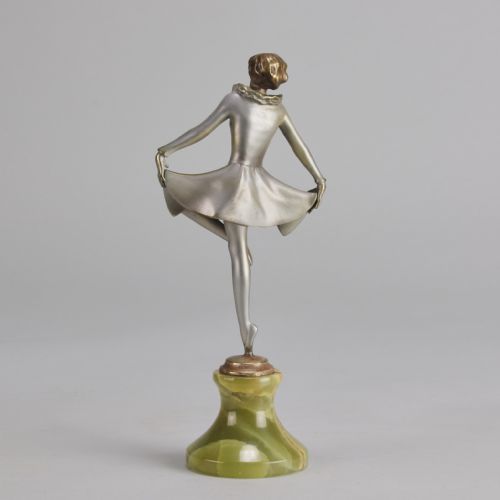
Origins range across British, European, and American makers, utilising traditional smithing methods alongside electroplating. The raised foot or stem remains the unifying characteristic across every recorded form on the page.
How they were made
Makers utilised sterling silver and silver plate over base metals like copper, shaping bodies through hammering, spinning, or casting. Many examples pair metal pedestals with cut glass bodies or ceramic inserts to create contrasting textures.
Decorative details such as pierced galleries, Neo-Classical swags, and Art Nouveau organic motifs were applied by hand or cast separately before soldering. Silver-plated pieces relied on early electroplating techniques over base metals, while others employed old Sheffield plate methods.
A charming silver-plated squirrel perches on one listed nut dish, keeping watch over its metal acorns.
What varies in quality
Quality rests in the crispness of chased or cast ornamentation and the structural balance of the raised foot. Superior items display substantial gauge metal that resists flexing under weight, whereas lesser pieces feel thin and overly light.
The integrity of the plating or hallmarking dictates the enduring character of the object. Weight, proportion, and the cleanly executed join between vessel and pedestal separate standard production items from master silversmith work.
Viners and Co·Goldsmiths and Silversmiths Company·Christofle·WMF·Mappin and Webb·Barker Ellis·James Welch
The Vintage Silver Pedestal Glossary
- Tazza
- A shallow bowl or plate mounted on a pedestal foot, commonly used for serving sweets or fruit. These pieces frequently feature decorative pierced rims or hammered surfaces.
- Sterling silver
- An alloy containing a high proportion of pure silver combined with other metals to ensure durability. Items made this way bear official assay office hallmarks.
- Silver plate
- A layer of silver bonded to a base metal core such as copper or Britannia metal. This technique allowed makers to produce large vessels like wine coolers at a lower cost.
- Neo-Classical
- A decorative style drawing inspiration from classical Greek and Roman architecture and motifs. It appears on pedestals through symmetrical garlands, fluting, and clean geometric lines.
- Art Deco
- A design movement defined by sleek lines, geometric shapes, and stylized symmetry. Pieces from this period often emphasise vertical elevation and stepped pedestal bases.
Vintage Silver Pedestal: Frequently Asked Questions
How do I clean a silver pedestal?
Use a specialised silver polishing cloth or mild cream designed for plated and sterling surfaces, rubbing gently along the contours of the pedestal.
Avoid abrasive scouring pads that can wear through thin silver plate or scratch softer sterling alloys.
How were pedestal bowls originally used?
These elevated vessels served functional roles on dining tables for holding fruit, biscuits, bonbons, or cooling wine.
Their raised height allowed dishes to sit above crowded table settings while displaying fine craftsmanship.
Can I date a piece without a hallmark?
Stylistic indicators such as Art Deco geometric forms, Edwardian pierced galleries, or Victorian ornamentation help narrow down the period.
Maker stamps, base metal types, and manufacturing techniques also provide clear clues to approximate age.