



Vintage Silver Pedestal Dish
These vintage silver pedestal dish selections bring raised bowls and comports from the nineteenth and twentieth centuries to the table.
Vintage Silver Pedestal Dish
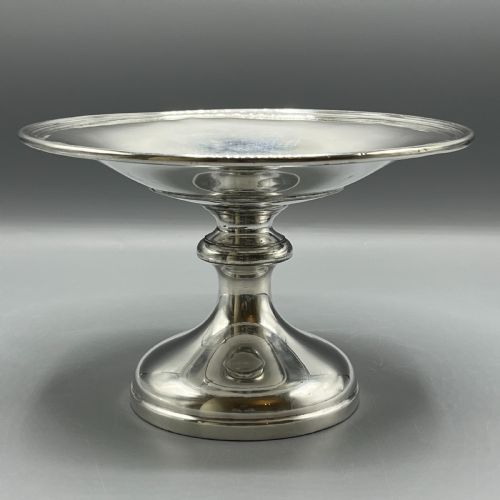
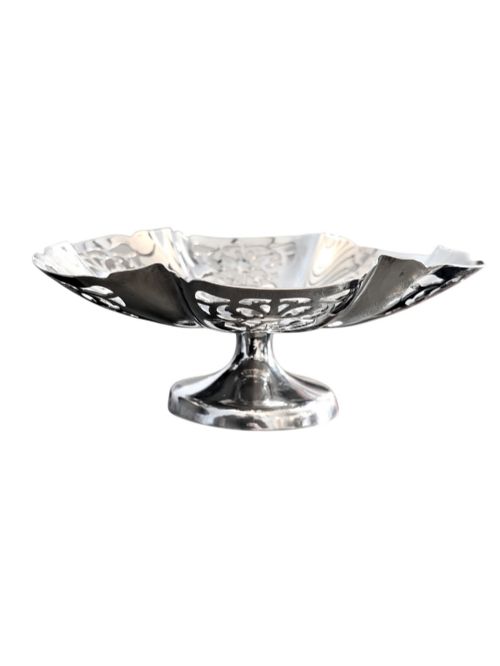
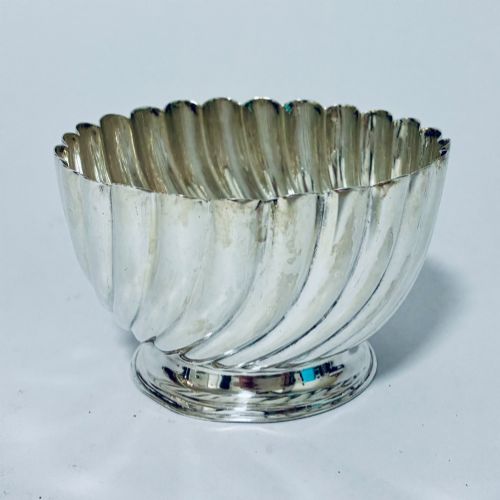
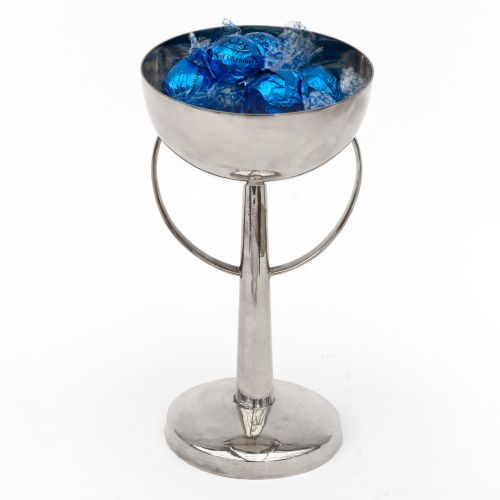
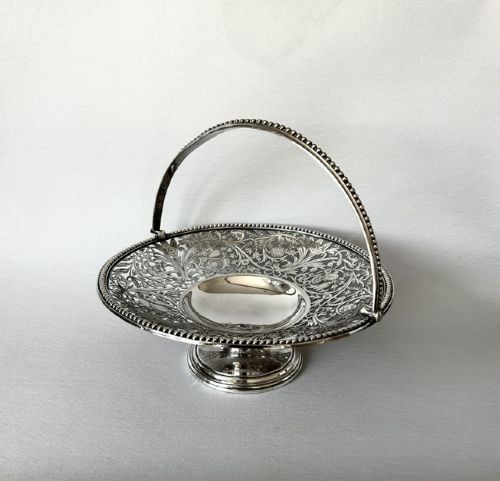
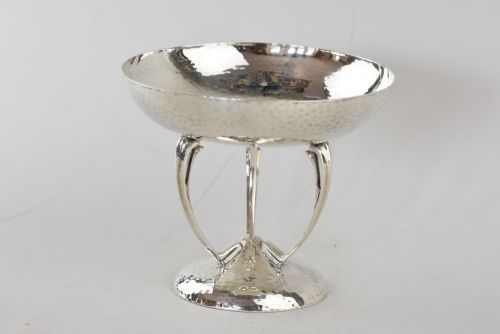
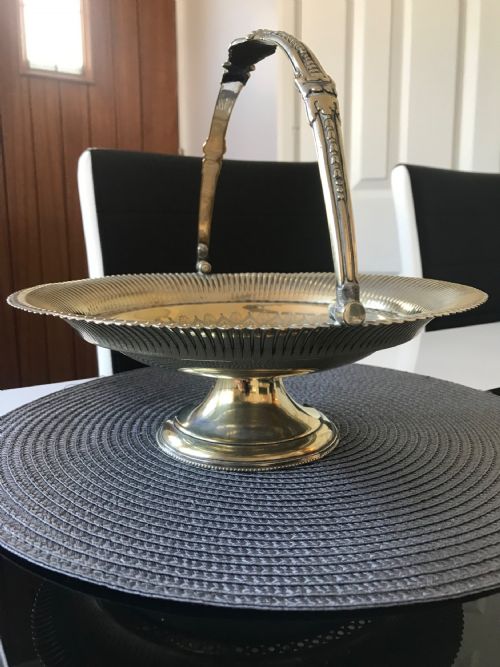
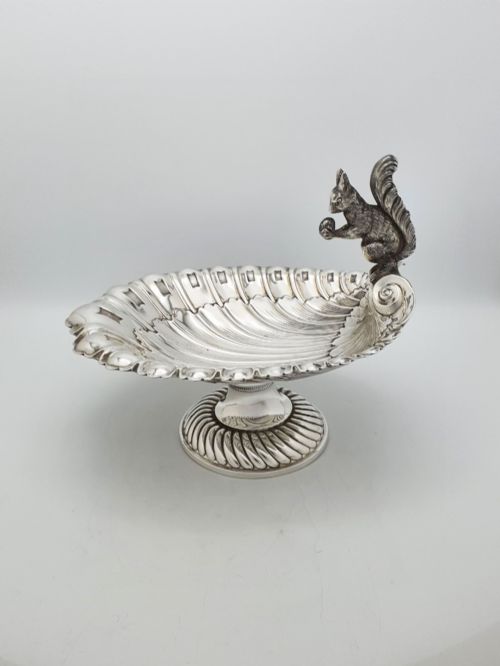
A vintage silver pedestal dish gathers bowls, baskets, comports, and tazzas raised on feet or stems. You will find pieces intended for fruit, nuts, bonbons, and table centrepieces.
The selection spans from mid-Victorian fruit baskets and Edwardian salt tubs to Art Nouveau pieces, Arts and Crafts tazzas, and mid-century British or continental designs.
How they were made
Objects appear in sterling silver, solid silver, and 800 silver alongside silver plate and electroplated nickel silver over metal bases. Certain continental and British works incorporate cobalt blue glass liners within pierced or solid metal frameworks.
Methods range from hammered surfaces and wirework to intricate handcrafting and pierced decoration, often paired with cast handles, loop attachments, or three-legged bases.
Vintage Silver Pedestal Dish Retail Price Guide 2026
Typical asking prices for vintage silver pedestal dish among the pieces listed under this phrase on Sellingantiques today, from the lower quarter to the upper quarter. They describe what is for sale here now, not the wider market.
Listings feature items from the Victorian, Edwardian, Art Nouveau, and Mid-Century periods in sterling silver, silver plate, 800 silver, and brass.
What varies in quality
The weight of the metal and the crispness of piercing or hammering separate simpler utilitarian items from substantial centrepieces. Maker attribution and registered hallmarks on sterling pieces elevate the standing of a dish.
The integration of secondary materials, such as fitted glass liners in German or English vessels, adds complexity. Proportion in the stem and balance in the foot reveal the maker's eye.
Viners and Co Sheffield·Goldsmiths and Silversmiths Company·WMF·Mappin and Webb·Elkington and Co
The Vintage Silver Pedestal Dish Glossary
- Tazza
- A shallow bowl or saucer raised on a high foot or pedestal. It often serves sweets or small fruits.
- Comport
- A large decorative dish on a footed base used for serving fruit or acting as a centrepiece. The term is common in continental and British dining.
- Electroplated Nickel Silver
- A base metal alloy coated with a layer of pure silver through electrolysis. This technique became widespread for accessible tableware.
- Hallmark
- An official stamp applied to precious metals indicating purity, maker, and assay office. Sterling pieces carry these marks for verification.
- Pierced work
- Metal pierced or cut through to create decorative openwork patterns. Baskets and fruit bowls frequently employ this method.
Vintage Silver Pedestal Dish: Frequently Asked Questions
What was a pedestal dish used for?
These elevated vessels held fruit, bonbons, nuts, or sweetmeats for the dining table or sideboard. Their raised design placed special foods at a prominent height.
Larger versions functioned as decorative centrepieces, while smaller comports and tazzas served specific courses during formal meals.
How do I clean a silver plated dish?
Use a soft cloth and a specialised silver polish formulated for plated items to maintain the surface. Avoid harsh scrubbing that can wear away the thin silver layer over the base metal.
Wash gently in warm soapy water and dry immediately with a lint-free cloth to prevent spotting.
How do I tell sterling from silver plate?
Sterling pieces bear hallmarks indicating silver purity, such as a lion passant on British items. Silver plate items typically display marks denoting electroplating or maker initials without purity standards.
Weight and the way the metal wears over time also help distinguish solid silver from plated base metals.
How do I style a pedestal dish today?
Place a fruit-filled comport on a dining table or kitchen island as a practical focal point. Smaller bonbon dishes and baskets suit sideboards, coffee tables, or open shelving.
Pair pieces with contrasting textures like wood or glass to highlight the polished metal surfaces.