



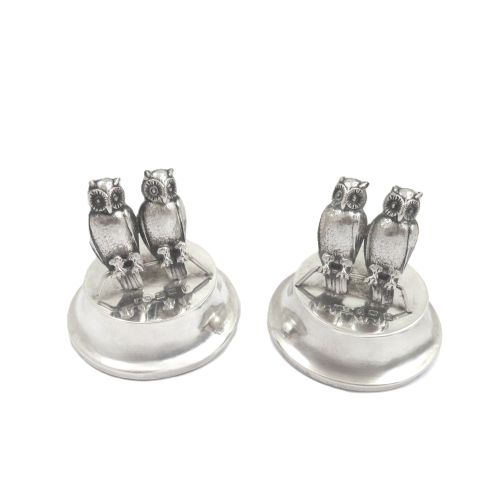
Vintage Silver Figures
Vintage silver figures bring character to a room through solid metal animal studies, dancers, and desk ornaments cast across the Victorian, Edwardian, and Art Deco periods.
Vintage Silver Figures
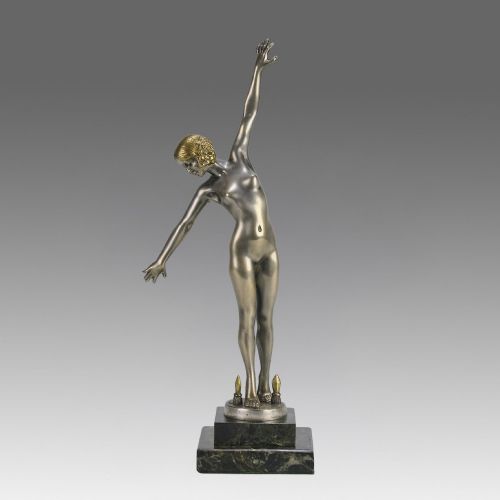
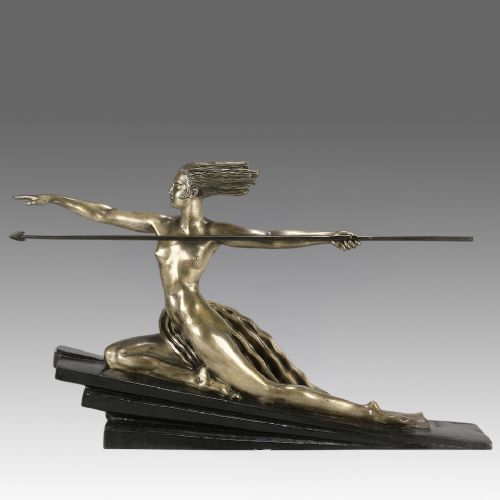
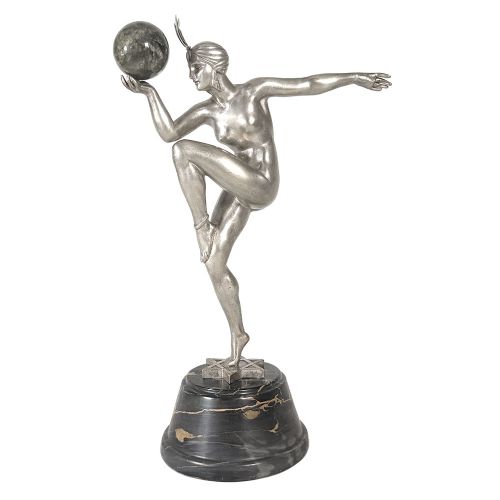
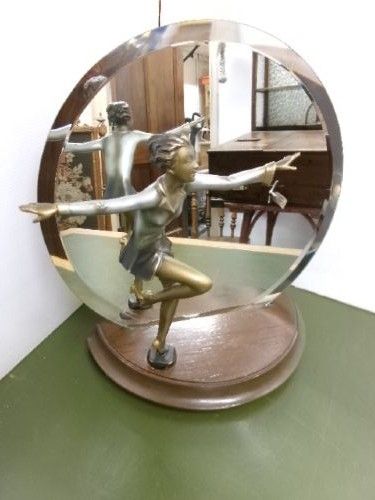
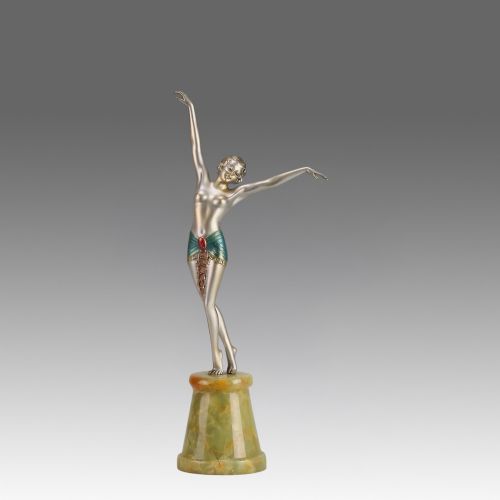
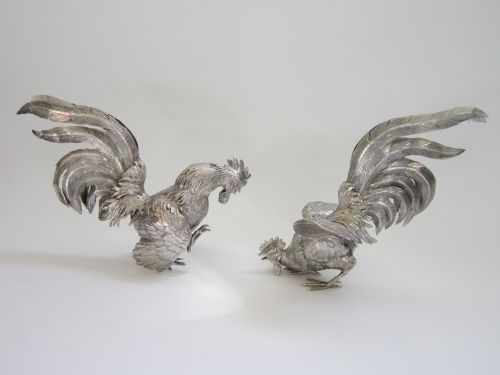
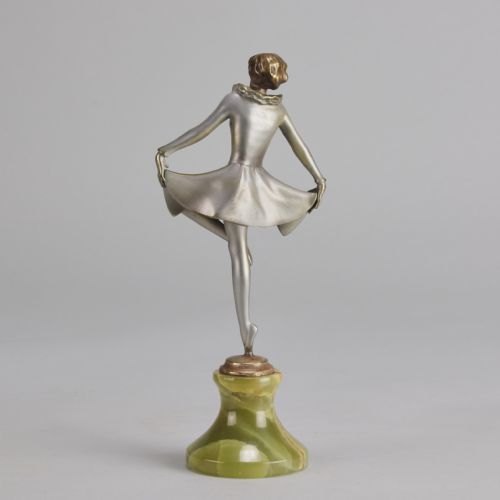
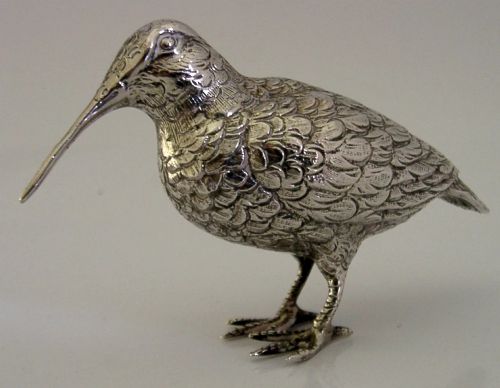
Vintage silver figures encompass small sculptural animal models, novelty pin cushions in the shapes of birds and beasts, and dancing human forms cast during the early decades of the twentieth century. Buyers seeking vintage silver figures will encounter both sterling silver animal casts and mixed-media works combining silvered bronze with marble bases.
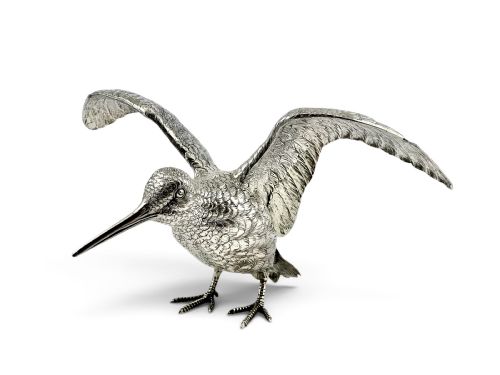
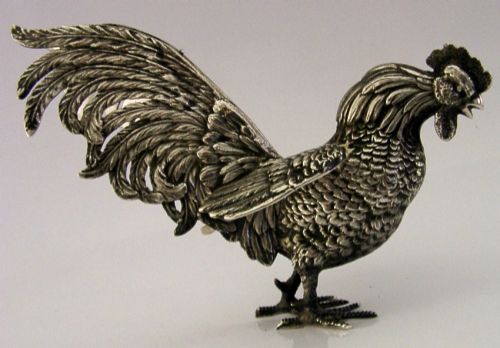
The selection ranges from functional table ornaments such as menu holders and paperweights to decorative statues created in European workshops during the Art Deco era. Many examples capture naturalistic bird studies like woodcocks and cockerels alongside stylised human figures.
Makers utilised various standards of metal, including solid sterling silver, 833 and 830 grade silver, and silver-plated or silvered bronze mounted on stone plinths. These pieces reflect the prevailing sculptural tastes of the nineteenth century and the modernist geometry of the 1920s and 1930s.
Materials and methods of production
Metalworkers employed traditional casting techniques such as the lost-wax method to create detailed bronze and silver sculptures, often finishing surfaces with cold-painted pigments or silver gilt layers. Spelter, chrome plate, and painted metal also served as accessible base materials for dancers and figural groups.
Stone bases made from marble and onyx frequently anchor heavier bronze and silvered bronze statuettes to provide stability and visual contrast. Makers combined these mineral plinths with carved ivory, wood components, and enamel panels to build textured multi-material objects.
Miniature novelty items like pin cushions required fine hand-assembling and silver-smithing to mount textiles securely within solid silver animal frames such as teddy bears, hedgehogs, and lions.
Vintage Silver Figures Retail Price Guide 2026
Typical asking prices for vintage silver figures among the pieces listed under this phrase on Sellingantiques today, from the lower quarter to the upper quarter. They describe what is for sale here now, not the wider market.
A severe policeman and a tiny teddy bear both moonlight as pin cushions in solid silver.
Distinctions in manufacture and finish
The integrity of the mounting distinguishes superior pieces, particularly where heavy metal figures join marble or onyx bases securely without movement. Hallmark clarity and maker signatures stamped into the metal further separate standard commercial casts from signed studio productions.
Deakin & Francis·Maurice Giraud-Rivière·Josef Lorenzl·WMF·Pierre Le Faguays·Demetre Chiparus·Karl Hagenauer·Gotthilf Jaeger
The Vintage Silver Figures Glossary
- Cold-painted bronze
- A technique where paint is applied to a bronze casting without the heat of firing. This method yields matte, highly detailed polychrome surfaces typical of early twentieth-century Austrian animal and human figures.
- Silver-gilt
- Silver that has been coated with a thin layer of gold on its exterior surface. Also known as vermeil, this finish provides a warm golden tone while retaining the underlying metal structure.
- Spelter
- An alloy of zinc and other metals used as a cost-effective substitute for bronze. It frequently appears with painted or electroplated finishes on decorative figures from the Art Deco period.
- Pin cushion
- A small domestic object designed to hold sewing pins, often cast in silver as an animal or novelty figure. These functional pieces combine silversmithing with upholstered fabric pads.
- Silvered bronze
- A bronze casting treated with a surface application of silver. This process creates the appearance of solid silver while maintaining the structural strength and weight of bronze.
Vintage Silver Figures: Frequently Asked Questions
How do I identify Art Deco figures?
Art Deco figures typically feature stylised human forms, geometric drapery, and dynamic poses associated with dancers and athletes from the 1920s and 1930s. Materials often include silvered bronze, painted metal, and contrasting marble bases.
These pieces reflect the modern aesthetic of the interwar period, diverging from the naturalism of earlier Victorian designs. Many bear signatures from prominent sculptors active in Paris and Vienna.
What is cold-painted bronze?
Cold-painted bronze refers to metal sculptures finished with oil-based paints that dried naturally rather than through kiln firing. This technique produces vibrant polychrome surfaces on small animal and human studies.
Because the paint sits on the metal surface without high-temperature bonding, surviving examples often show natural wear patterns. This finish is a hallmark of early twentieth-century European studio production.
How were silver animal figures used?
Silver animal figures functioned primarily as table ornaments, paperweights, or menu holders in formal dining and study settings. Larger models stood on sideboards, while smaller representations sat upon desks.
Their designs often mirrored sporting interests, natural history studies, or domestic pets of the period. The variety in scale allowed them to integrate easily into diverse interior spaces.