





Vintage Silver Collection
A vintage silver collection brings together gathered pieces from the eighteenth, nineteenth, and early twentieth centuries that reward close handling.
Vintage Silver Collection
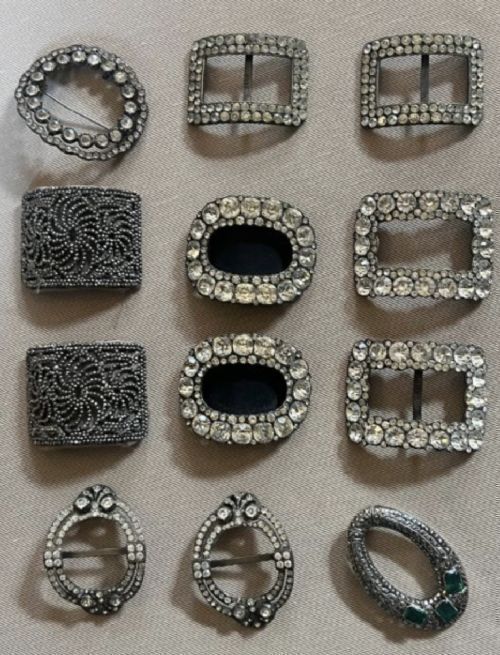
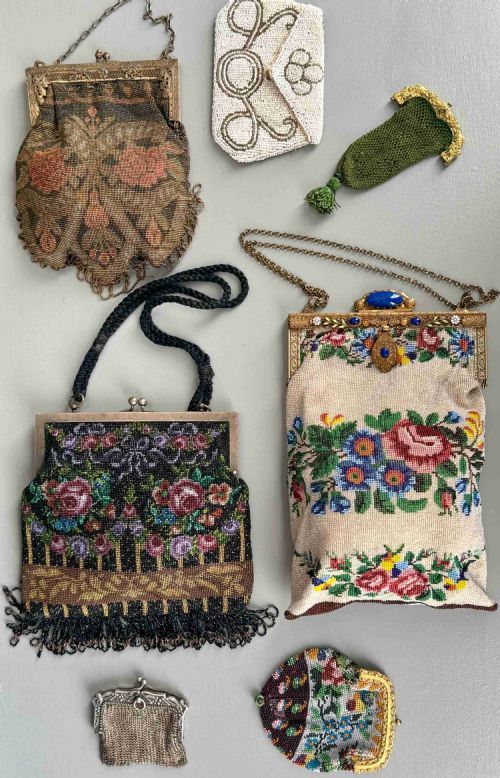
A vintage silver collection encompasses grouped domestic objects and personal accessories, drawing from the eighteenth century, the Victorian era, and the 1930s. The listings demonstrate this diversity through sets of spoons, evening bags, shoe buckles, pocket watches, and mirrors.
Buyers encountering this selection will find domestic flatware alongside pocket timepieces and mirrored glassware. These grouped lots and matched sets reflect the varied utilitarian and decorative uses of silver and associated materials across multiple periods.
How they were made
Manufacturing methods rely heavily upon traditional metalworking, incorporating hallmarks alongside glass and textile elements. Makers combined sterling silver with velvet, silk, leatherette, and brass to construct items ranging from evening purses to walking canes.
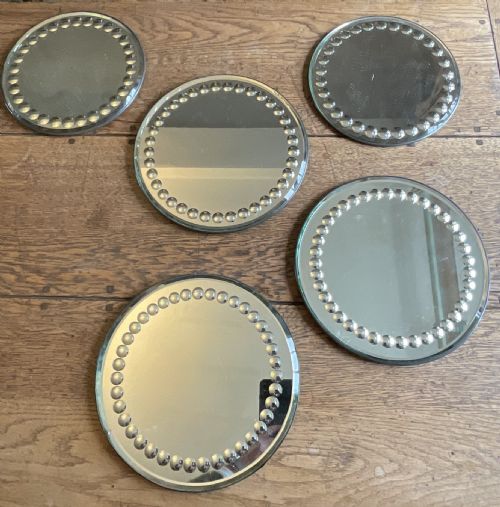
Glass production techniques produced specialised items like mercury and silvered glass mirrors alongside crystal components. Metal components utilise period-appropriate casting, forming, and finishing methods suited to each specific object type.
Vintage Silver Collection Retail Price Guide 2026
Typical asking prices for vintage silver collection among the pieces listed under this phrase on Sellingantiques today, from the lower quarter to the upper quarter. They describe what is for sale here now, not the wider market.
Among the collected objects, sorcerers' mirrors offer a glimpse into historical interior display where reflective glass served both decorative and mystical purposes.
What varies in quality
Distinctions in quality arise from the crispness of maker's marks, the integrity of associated materials like silk and velvet, and the preservation of original components. Complete sets and matching elements demonstrate superior initial production and careful retention.
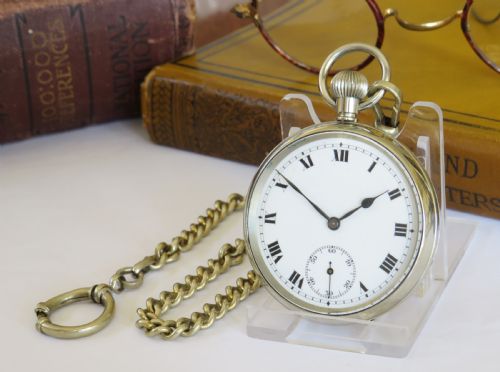
The sophistication of decorative detail distinguishes standard utilitarian items from finer examples, such as the precision found in Georgian paste work or marked pocket watches. Condition remains closely tied to how well delicate glass, textiles, and metal surfaces survive together.
JW Benson·Robert Stebbings·Cyma
The Vintage Silver Collection Glossary
- Hallmark
- An official stamp applied to precious metals indicating standard of purity, place of assay, and date. These marks provide definitive evidence of origin.
- Mercury glass
- A double-walled blown glass object coated with a silvered liquid solution inside, creating a reflective surface. This technique gained popularity during the nineteenth century.
- Paste
- Hand-cut glass or lead crystal used to imitate gemstones in decorative accessories. Georgian examples display meticulous individual faceting.
- Sterling silver
- An alloy consisting of pure silver and other metals, typically copper, meeting a specific standard of fineness. This material forms the primary base for many listed items.
Vintage Silver Collection: Frequently Asked Questions
What items form a vintage silver collection?
A vintage silver collection typically gathers smaller decorative and personal objects spanning multiple eras. The pieces range from cutlery sets and pocket watches to evening bags and mirrors.
Buyers often select these groupings to acquire representative examples of historical craftsmanship in one go. Each item retains its original utilitarian or ornamental purpose within the assembly.
How should silver and glass be cleaned?
Cleaning requires gentle methods appropriate to the specific combination of materials present in the object. Silver surfaces respond best to non-abrasive polishes applied sparingly.
Items incorporating glass, velvet, or silk need careful handling to avoid moisture damage to delicate linings and reflective coatings. Maintenance focuses on preserving the natural patina rather than achieving a bright modern shine.
Can pocket watches still keep time?
Many mechanical pocket watches remain operational, though performance depends on their internal condition and service history. Historic timepieces from makers like Cyma and JW Benson often require professional adjustment.
Living with these watches involves regular winding and occasional servicing by a specialist. They function as both wearable accessories and working pieces of micro-engineering.