






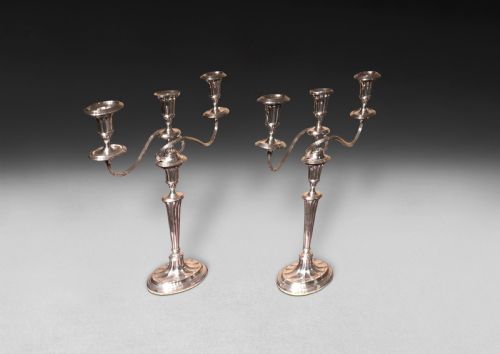
Vintage Silver Branch
Vintage silver branch pieces comprise candelabra, wall lights, and chandeliers spanning the Victorian era through the mid-twentieth century.
Vintage Silver Branch
When buyers search for vintage silver branch, they encounter multiple-arm lighting fixtures and tableware designed with branching forms. These range from Victorian and Edwardian silver plated candelabra to later twentieth-century wall lights and chandeliers.
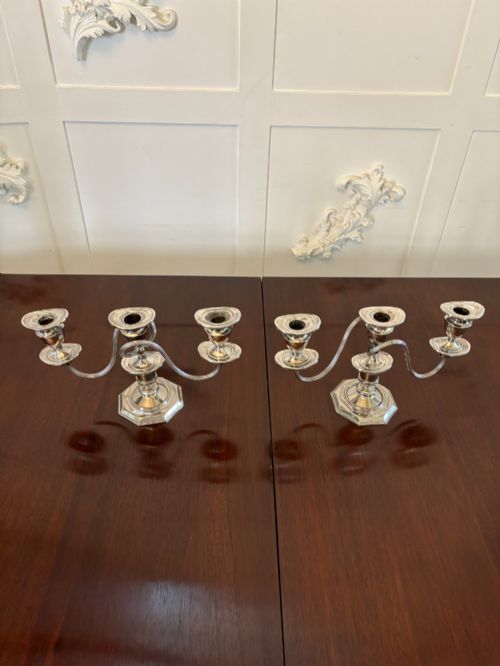
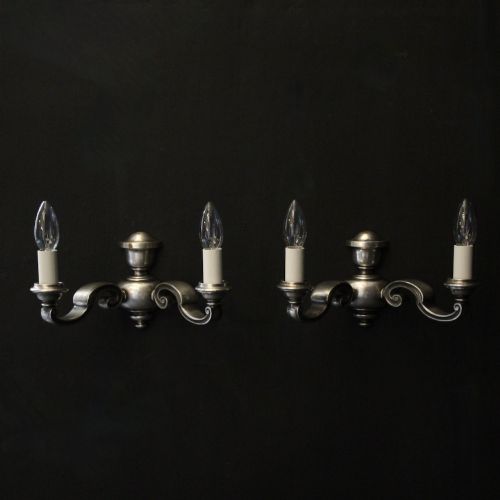
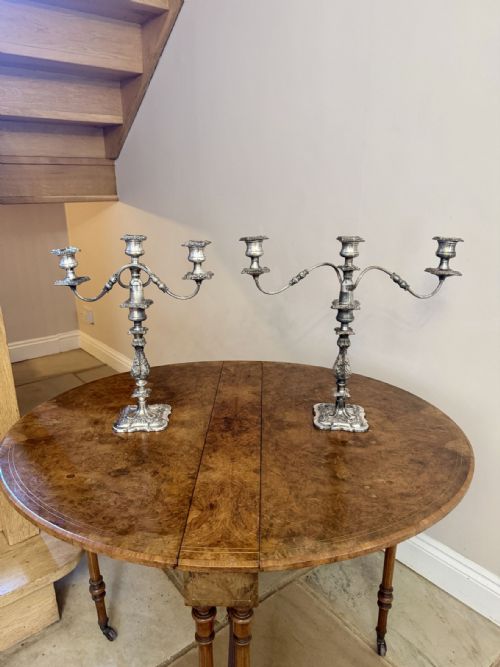
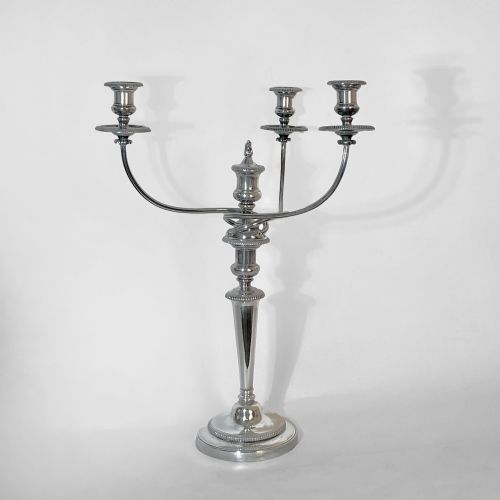
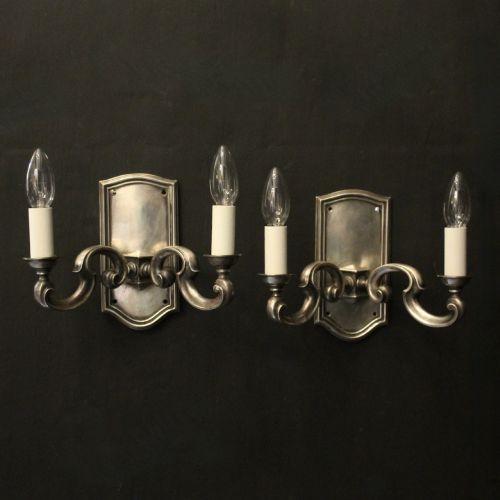
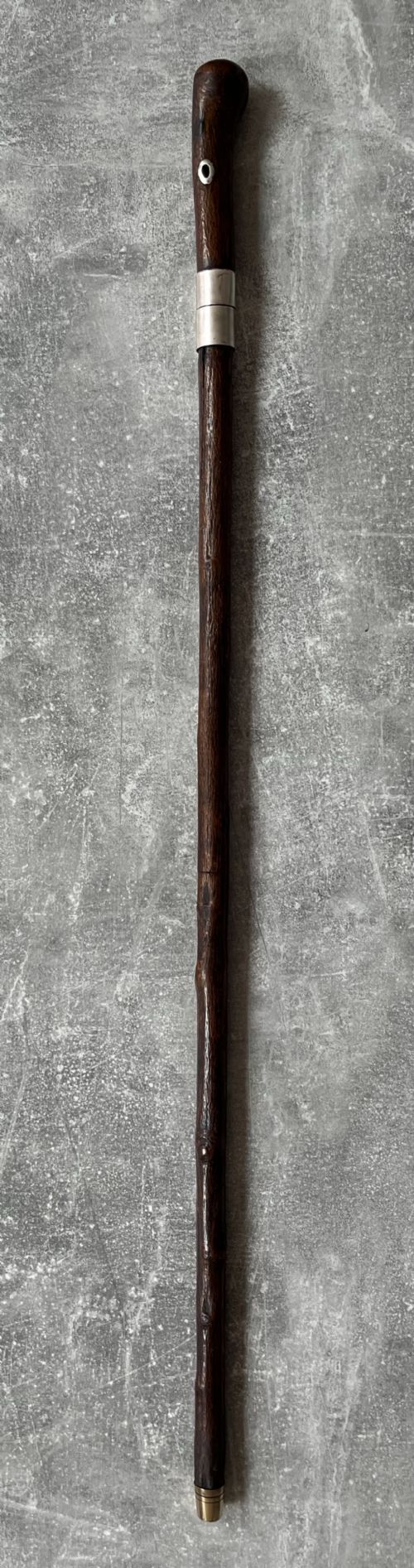
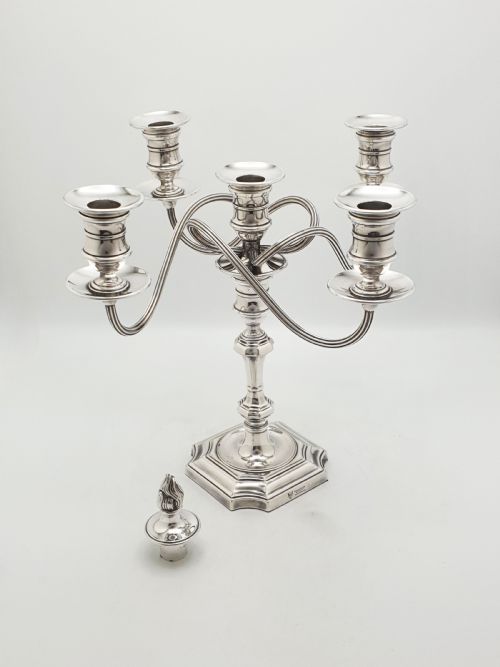
The most common examples on this page are silver plated candelabra carrying three to five branches, often originating from Sheffield or London workshops. Alongside these stand wall lights, chandeliers, and occasional decorative brooches or walking sticks incorporating branch motifs.
Items span several decades, featuring periods such as the nineteenth century, Edwardian era, and Art Deco movements. Material construction varies from sterling silver and silver plate to copper, brass, and electroplated nickel silver.
Materials and construction methods
Many pieces utilise a base metal such as copper or brass coated with silver plating or Sheffield plate, while others are cast in solid sterling silver. Gilded bronze and silver metal also appear among French chandeliers and Italian candelabra.
Manufacturing techniques combine traditional casting with hand-finished chasing and applied ornamentation. Sheffield plating fuses a thin layer of silver to a copper core, a method visible on nineteenth-century table pieces.
Vintage Silver Branch Retail Price Guide 2026
Typical asking prices for vintage silver branch among the pieces listed under this phrase on Sellingantiques today, from the lower quarter to the upper quarter. They describe what is for sale here now, not the wider market.
Assessing quality and craftsmanship
Quality in these multi-branch pieces rests on the crispness of casting and the weight of the metal used in the arms and drip pans. Finer examples retain deep, defined chasing along the branch motifs rather than smooth, simplified surfaces.
Proportion and balance dictate the presence of superior craftsmanship, particularly in large candelabra and multi-arm chandeliers. Maker attribution and the intactness of original plating further distinguish higher-tier items.
Barker Ellis·Blagden Hodgson And Co
The Vintage Silver Branch Glossary
- Candelabra
- A large branching candlestick holder designed for multiple candles. These multi-arm fixtures form the majority of lighting items found in this category.
- Sheffield Plate
- An early method of fusing silver sheet to a copper ingot. This technique precedes modern electroplating on nineteenth-century pieces.
- EPNS
- Electroplated Nickel Silver, a common base material used from the late nineteenth century onwards. It provides a durable silver-coated surface.
- Girandole
- An ornamental bracket wall light featuring mirrored glass to reflect candle flames. These fixtures often incorporate multiple candle branches.
Vintage Silver Branch: Frequently Asked Questions
What materials are these branch items made from?
The listings feature items fashioned from sterling silver, silver plate, Sheffield plate, and electroplated nickel silver. Additional materials include copper, brass, bronze, and silver metal.
Some pieces combine metal frames with cut glass, crystal, or wooden elements, such as hazel wood walking sticks and carved silvered wood mirror frames.
How many branch lights can I expect on a candelabrum?
Most candelabras and wall lights carry between two and six branches designed for multiple candles. Larger chandeliers and specialised lighting fixtures extend up to nine branches.
Table candelabra frequently hold two or three lights, while grander dining pieces and wall sconces scale up to five or six arms.
Which periods do these items come from?
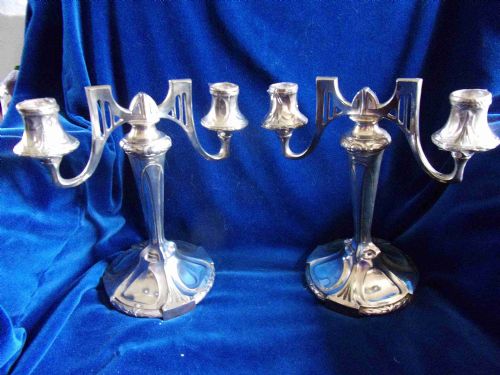
The pieces span from the nineteenth century through the mid-twentieth century, including Victorian, Edwardian, and Regency eras. Art Deco and Jugendstil designs from the early decades of the twentieth century also appear.
Stylistic revivals such as Georgian and French Neoclassical continue into pieces dated around the 1930s to 1960s.
How should I clean silver plated branch fixtures?
Maintenance requires gentle dusting with a soft cloth to protect delicate chased details on the branches and drip pans. Avoid abrasive polishes that can wear away thin silver plating or Sheffield plate layers over time.
For items incorporating cut glass or crystal, use mild soapy water on the non-metal components while keeping moisture away from antique joints.