


Vintage Silk Needlework
Vintage silk needlework brings tactile history into a room, offering framed pictures, wall hangings and embroidered textiles crafted across centuries.
Vintage Silk Needlework
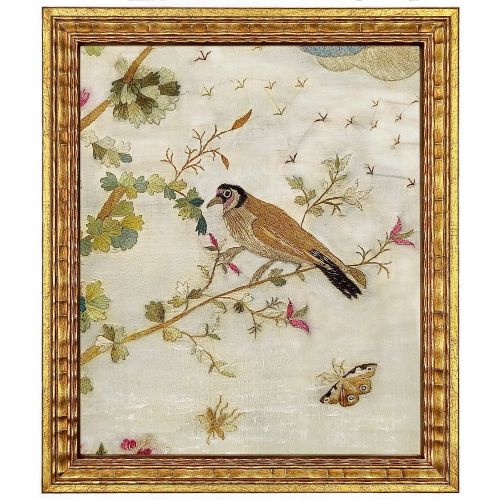
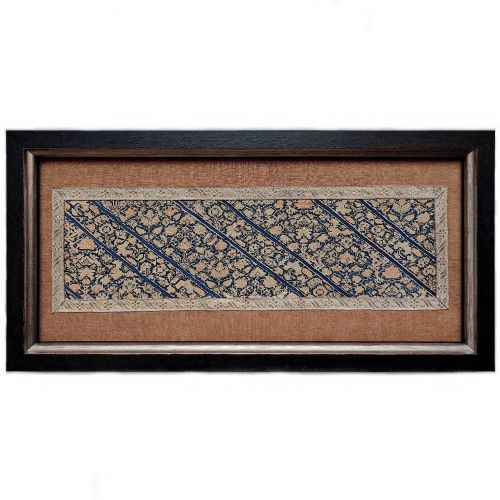
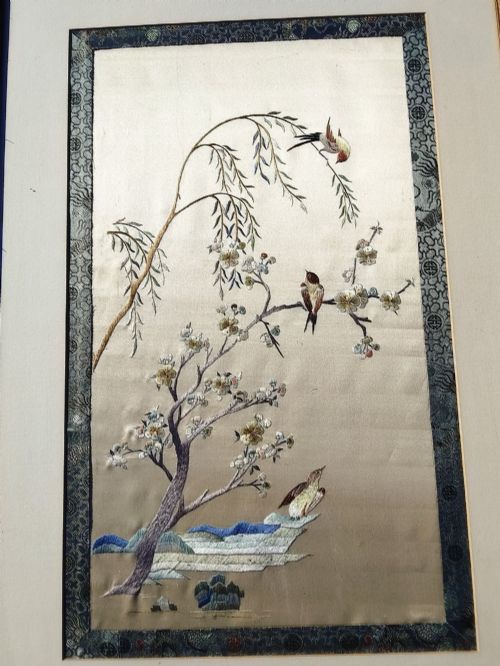
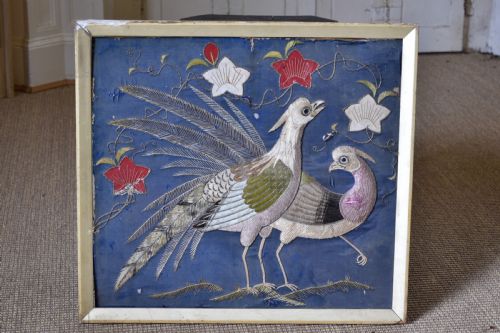
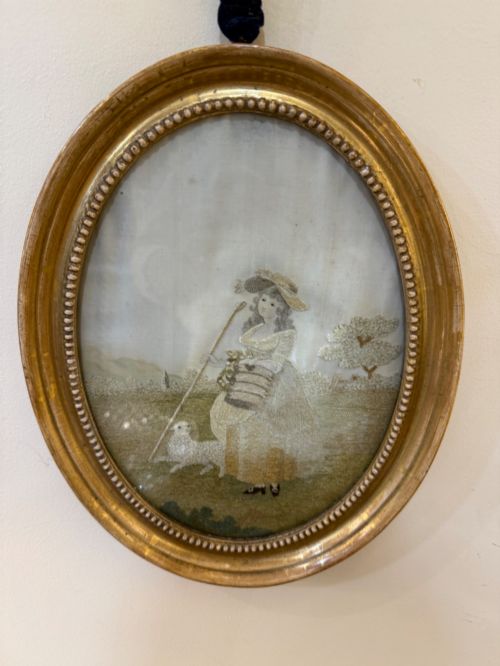
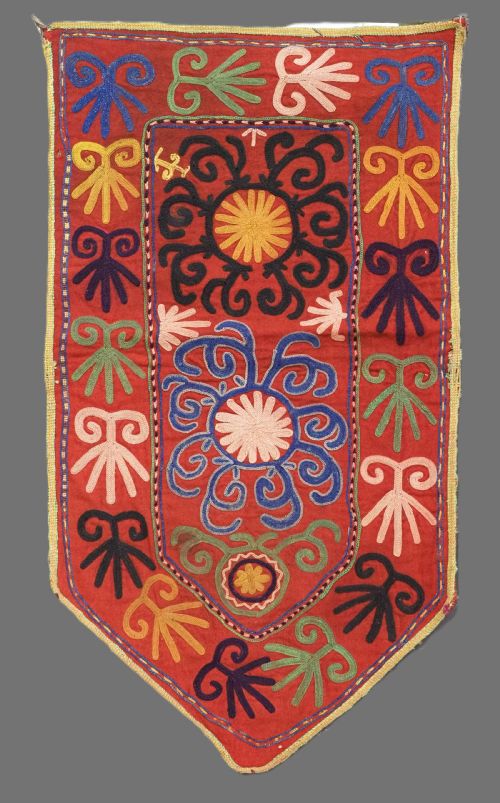
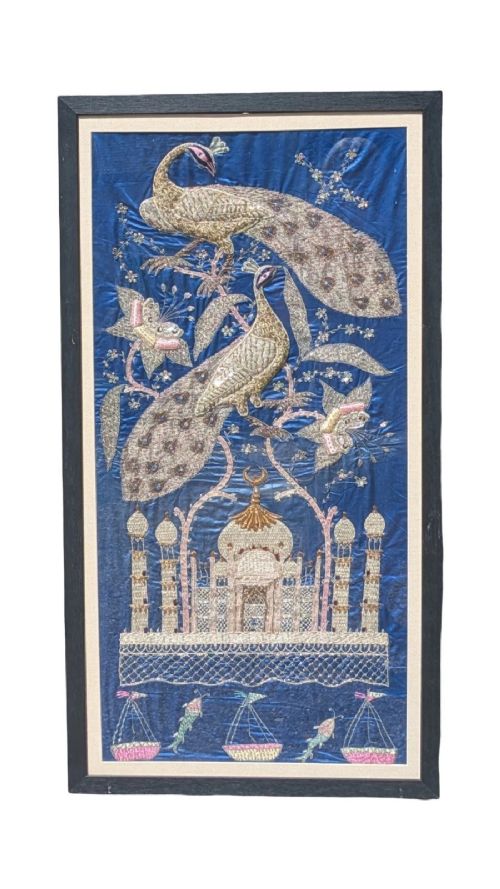
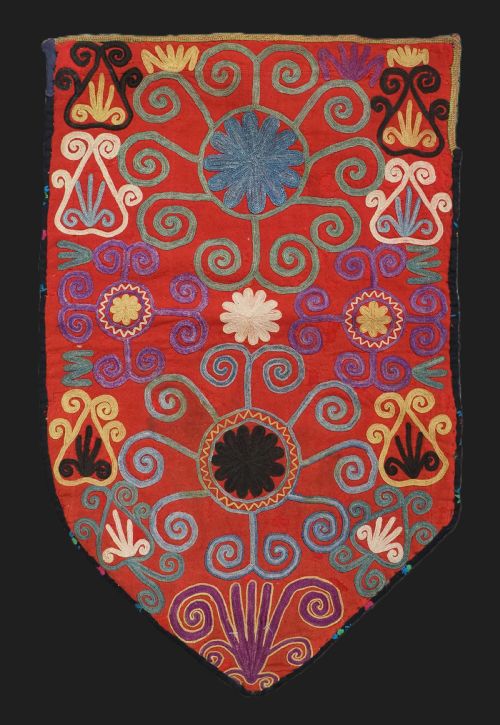
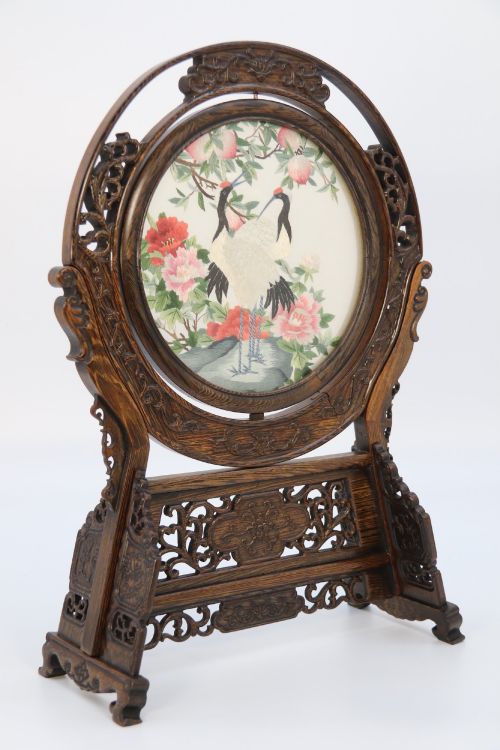
Vintage silk needlework encompasses framed pictorial scenes, embroidered panels, samplers and large Central Asian wall textiles. When searching for vintage silk needlework, buyers encounter varied expressions including Chinese double-sided embroideries, English needlework pictures, and vibrant tribal wall hangings.
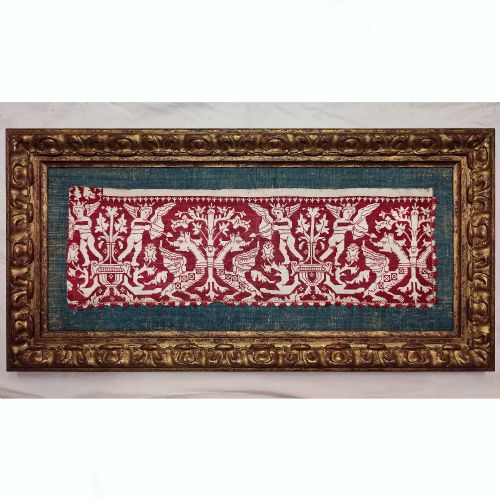
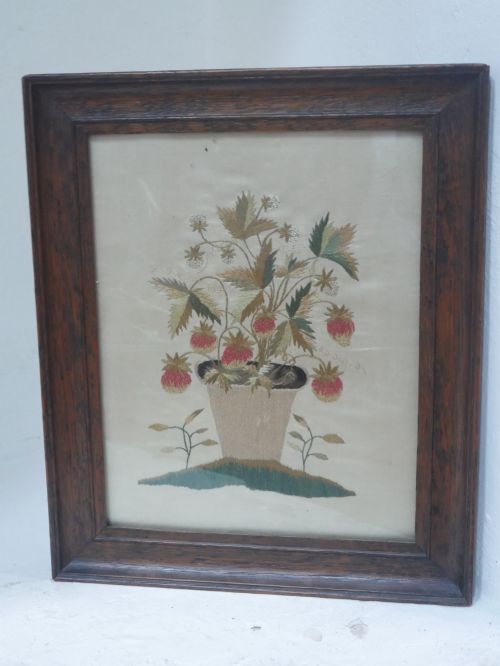
The selections span distinct periods, reaching from seventeenth-century English and Italian examples through Georgian and Victorian pieces to twentieth-century oriental and Central Asian works. Forms range from small framed studies of strawberries and birds to expansive embroidered bed covers and ceremonial horse covers.
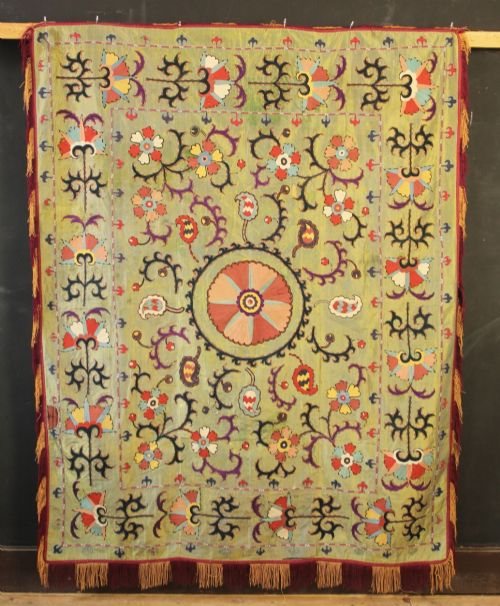
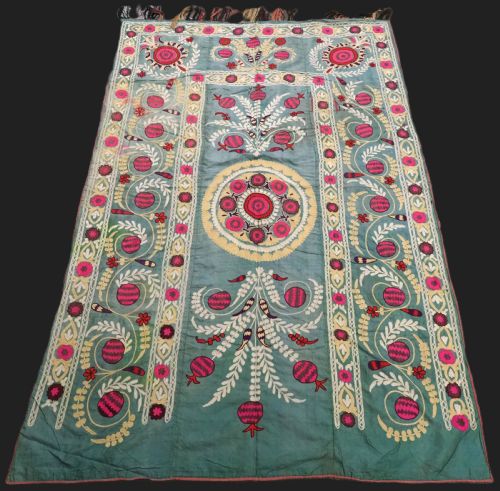
Origins are remarkably diverse, drawing on traditions from China, Japan, India, Greece, England, and Central Asian regions such as Uzbekistan. Buyers frequently meet Suzanis featuring architectural, floral, or medallion designs alongside European samplers worked by young hands.
Materials and construction methods
Makers utilised fine silk thread worked upon foundations of silk, cotton, wool, linen, or felt grounds. Many traditional Central Asian pieces employ silk embroidery on a cotton or wool backing, whilst Persian examples often combine silk thread with red felt applique work.
Execution involves specialised needle techniques ranging from delicate double-sided stitching on rotating stands to dense tambour work and crewel embroidery. Finished textiles frequently incorporate protective glass within wooden frames or remain mounted as flexible wall hangings and bed covers.
Vintage Silk Needlework Retail Price Guide 2026
Typical asking prices for vintage silk needlework among the pieces listed under this phrase on Sellingantiques today, from the lower quarter to the upper quarter. They describe what is for sale here now, not the wider market.
Listings feature textiles spanning four centuries, from 17th-century European embroideries to 1930s Persian and Central Asian pieces.
Distinctions in quality
Quality rests upon the precision of the needlework and the complexity of the design layout. Fully embroidered Tashkent Palak Suzanis or intricate Chinese double-sided panels demonstrate superior execution compared to simpler, sparsely worked grounds.
The preservation of the delicate silk threads and the integrity of the original backing fabric determine visual longevity. Finer examples retain vibrant natural dye colours and secure framing, whereas older textiles show authentic age through gentle fading and thread wear.
The Vintage Silk Needlework Glossary
- Suzani
- A traditional embroidered tribal textile originating from Central Asia, often worked in silk on a cotton ground with large floral or medallion motifs.
- Sampler
- A piece of needlework produced by an embroiderer to demonstrate skill in various stitches, frequently including alphabets, numbers, and maker names with dates.
- Applique
- A needlework technique where smaller pieces of fabric, such as felt or silk, are stitched onto a larger contrasting ground fabric to form patterns.
- Double sided embroidery
- A sophisticated technique where identical imagery appears cleanly on both the front and reverse of the silk fabric, commonly seen in Chinese pieces.
- Crewel work
- Embroidery executed using fine wool or silk thread on a sturdy linen or cotton twill foundation, popular in traditional English textile art.
Vintage Silk Needlework: Frequently Asked Questions
How should I hang a delicate silk textile?
Framing behind glass protects fragile antique silk needlework from dust, direct sunlight, and physical handling. For larger flexible wall hangings, use a professional textile conservator to mount the piece securely without placing strain on the aged fibres.
Keep textiles away from humid environments and fluctuating temperatures to prevent the silk threads and backing materials from degrading over time.
What is the difference between a Suzani and a sampler?
A Suzani is a large, decorative embroidered textile from Central Asia, traditionally created as part of a bride's dowry and used as wall hangings, bed covers, or ceremonial covers. They feature bold floral, architectural, or star designs.
In contrast, a sampler is typically a European piece created on linen or canvas where an embroiderer practised alphabets, pictorial motifs, and stitches, often recording their age and the date of completion.
Can I clean an antique embroidered panel?
Professional textile conservators should handle any cleaning of vintage silk needlework. Domestic cleaning methods or water can cause delicate silk threads to bleed, shrink, or disintegrate entirely.
Surface dust can be gently removed using low suction through a mesh screen, but deeper restoration requires specialist intervention.
How do I date an English needlework picture?
Dating relies on stylistic clues, framing materials, and inscribed dates or signatures left by the maker. Eighteenth and nineteenth-century examples often feature specific stitching conventions, specific subject matter like landscapes or classical figures, and aged wooden frames.
Examining the reverse of the panel can reveal older stretchers, handmade nails, or period paper backings that confirm the era of assembly.