


Vintage Silk Embroidery
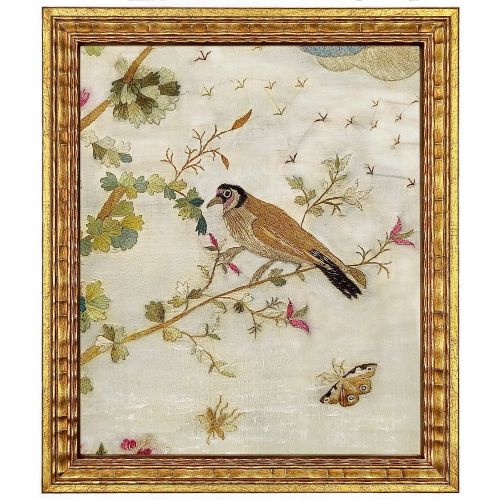
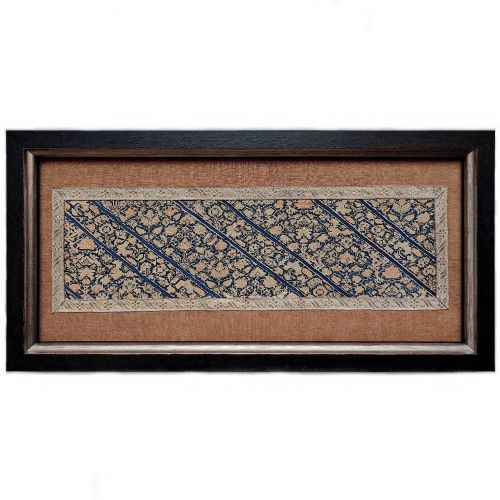
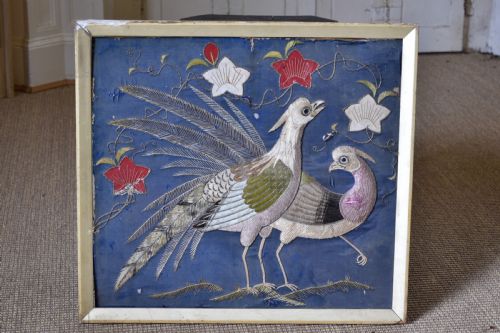
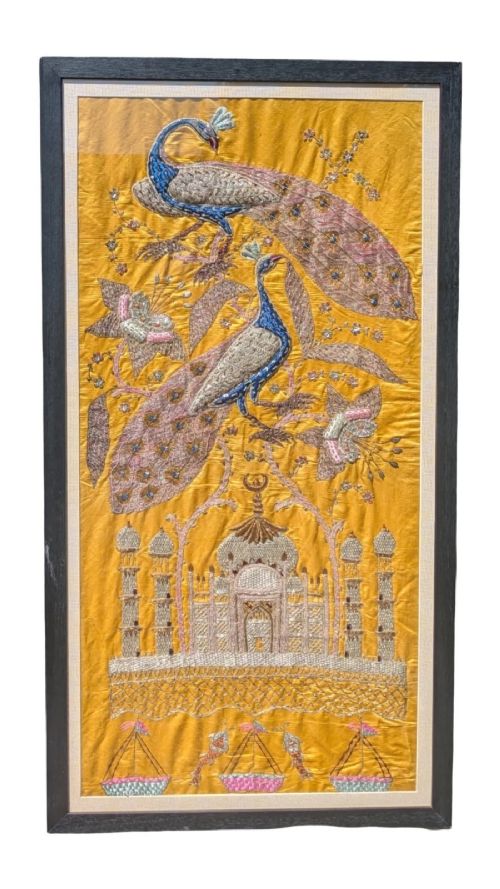
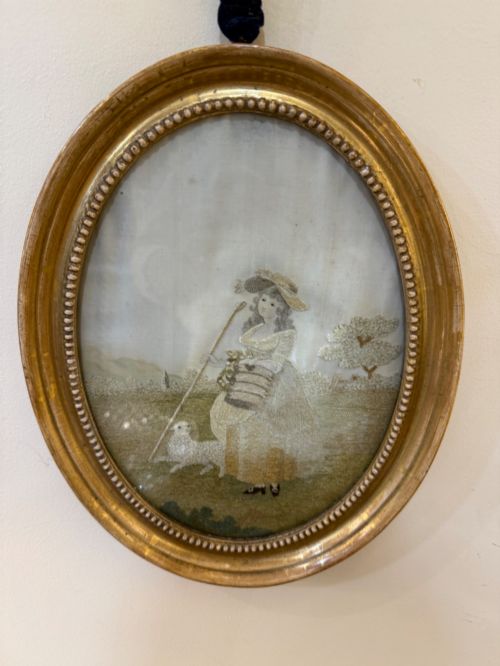
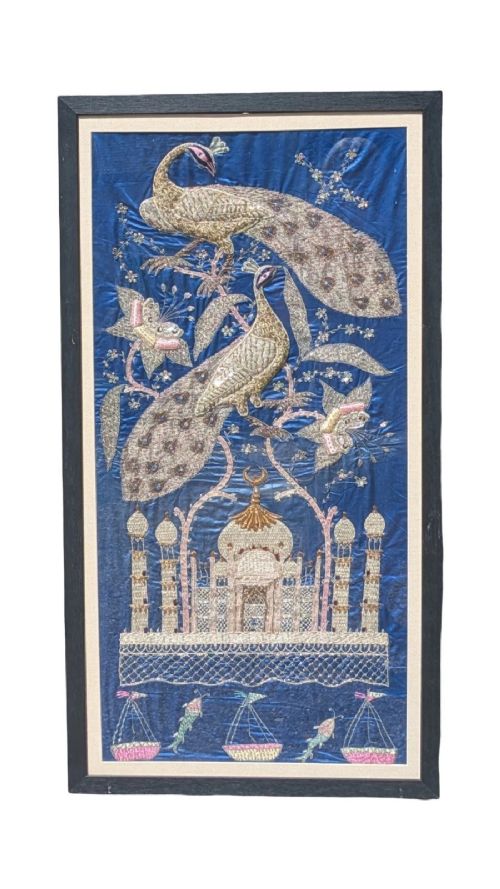
Vintage silk embroidery encompasses wall hangings, framed pictures, and tribal textiles worked in lustrous thread.
Vintage Silk Embroidery
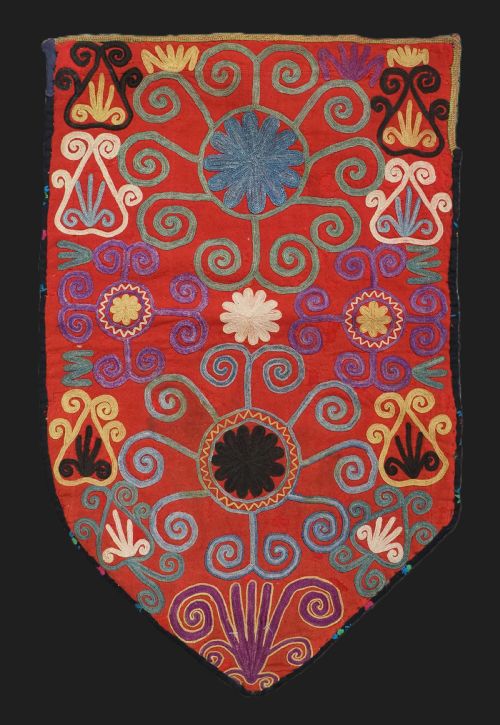
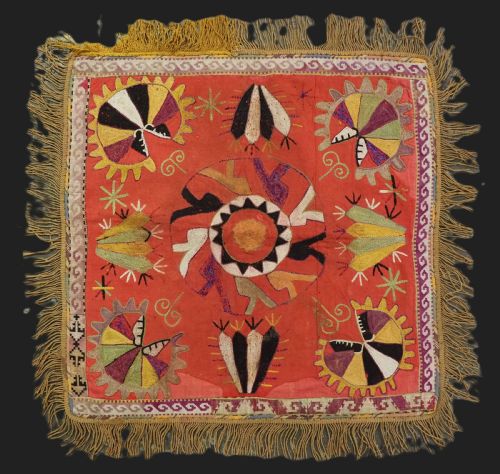
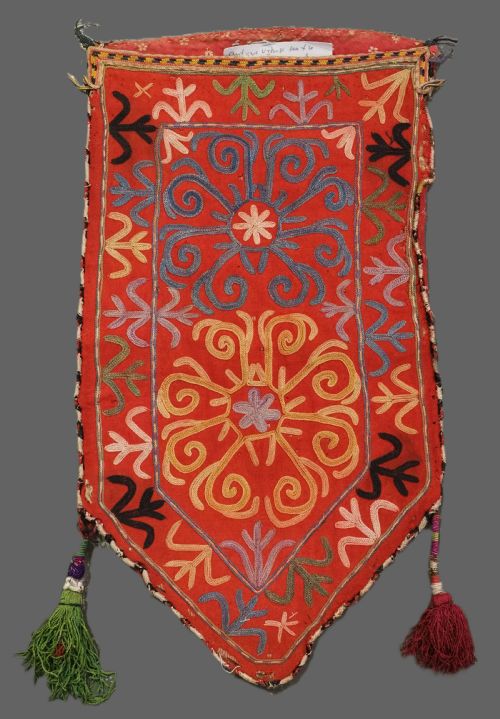
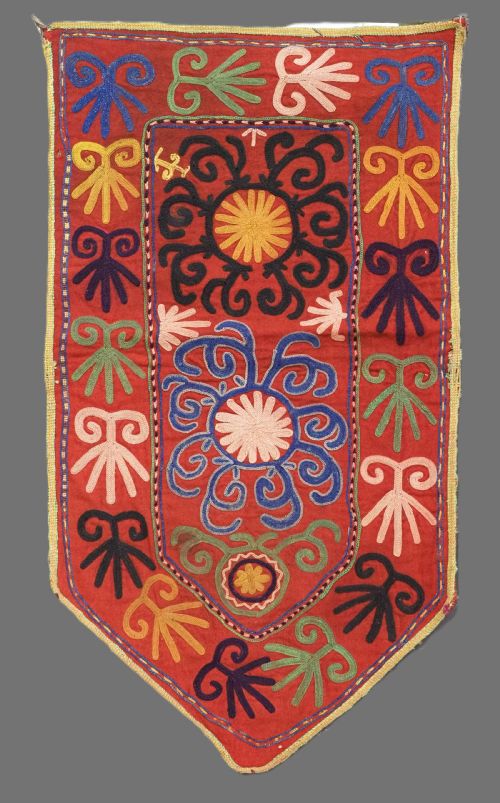
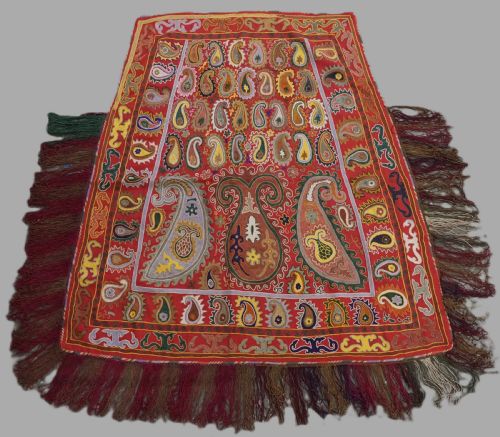
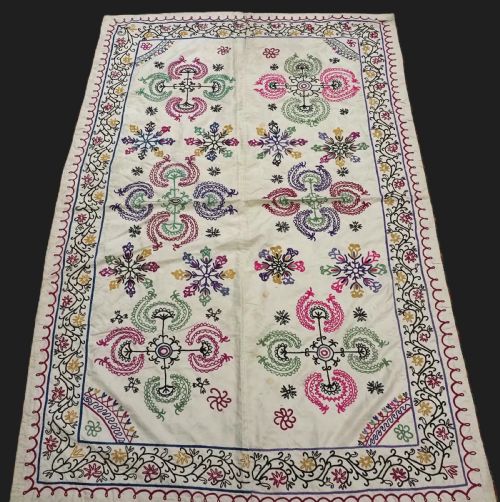
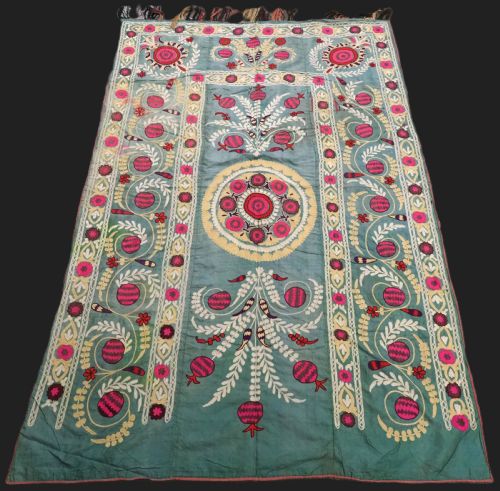
Vintage silk embroidery covers a wide international span of textiles, ranging from framed pictorial views and samplers to tribal wall hangings. Pieces matching this phrase include Central Asian suzanis, dowry bags, horse covers, and detailed Indian or Chinese pictorial works.
The material ground shifts according to origin, appearing on plain silk, cotton, wool, velvet, and felt. Forms vary from large bed covers and architectural hangings to smaller fragments, panels, and framed decorative art.
Origin determines the specific visual vocabulary, spanning regional Central Asian tribal patterns, Persian appliquéd designs, and eastern pictorial compositions. The selection on this page relies on surviving examples originating from the nineteenth and early twentieth centuries.
Materials and construction methods
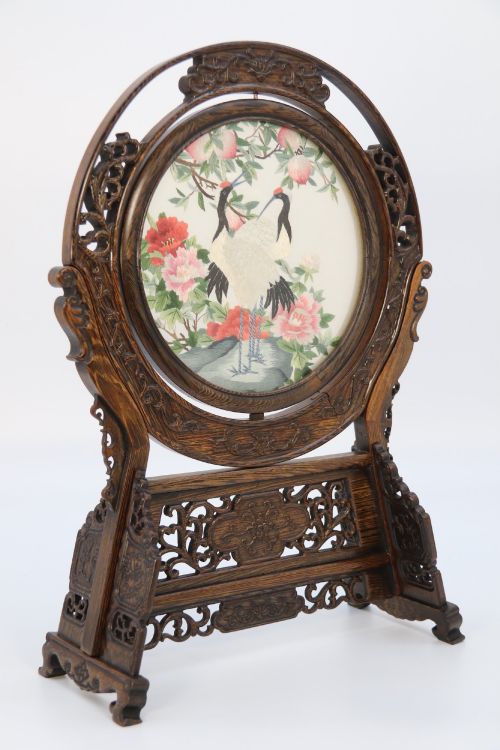
Makers utilised fine silk thread for primary stitch work, frequently combined with metallic thread, cotton, or wool on supportive ground fabrics such as velvet, felt, and woven wool. Support structures sometimes incorporate glass beads, wood frames, or rotating hardwood display stands.
Execution involves diverse needlework techniques, including dense surface embroidery, satin stitch, and intricate appliqué work applied to woven foundations. Tribal pieces like suzanis and ilgiches display hand-worked motifs on local cloth, whilst framed pictures utilise glazing to protect delicate silk threads.
Vintage Silk Embroidery Retail Price Guide 2026
Typical asking prices for vintage silk embroidery among the pieces listed under this phrase on Sellingantiques today, from the lower quarter to the upper quarter. They describe what is for sale here now, not the wider market.
Listings span periods from the seventeenth century through the 1930s, featuring silk, cotton, wool, velvet, and metallic thread.
Factors determining quality
Quality rests upon the tightness of the stitch work, the complexity of the design, and the survival of the original ground material. Fine examples exhibit precise needle control, rich colour retention in the silk threads, and minimal loss to metallic elements or appliquéd sections.
The integrity of the textile structure matters significantly, distinguishing sturdy pieces with intact borders from heavily fragmented or degraded examples. Superior execution shows in balanced composition, whether in the architectural geometry of a suzani or the pictorial detail of a framed landscape.
The Vintage Silk Embroidery Glossary
- Suzani
- A large, embroidered tribal wall hanging or bed cover originating from Central Asia, traditionally worked in silk on a cotton or silk ground. These textiles display bold floral and architectural motifs.
- Ilgich
- A specific form of Central Asian embroidery used for hanging on walls, often created as dowry pieces by tribal makers such as the Lakai. They feature geometric and symbolic patterns executed in vibrant threads.
- Appliqué
- A needlework technique where pieces of fabric, such as felt or velvet, are sewn onto a larger background ground to build up a design. Persian Rasht embroidery frequently employs this method alongside silk stitching.
- Sampler
- An early piece of needlework worked to demonstrate a maker's proficiency in various stitches and patterns. Historical examples often incorporate alphabets, numerals, and pictorial elements.
- Skein holder
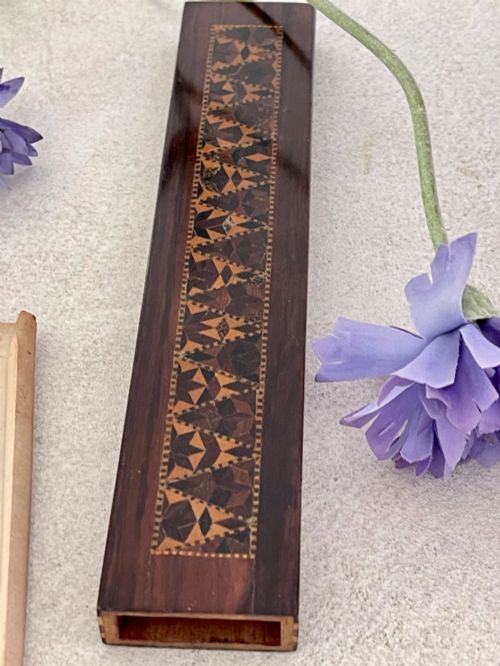
- A small decorative device, such as a Tunbridge Ware wooden piece, designed for holding lengths of thread. These items relate to the domestic craft of needlework.
Vintage Silk Embroidery: Frequently Asked Questions
How do I hang a textile safely?
Support heavy pieces by distributing the weight evenly across a sleeve or backing board rather than hanging them from isolated points. Keep textiles away from direct sunlight to prevent silk and dyed threads from fading.
Consult a professional textile conservator if mounting requires stitching or specialist framing with UV-protective glass. Regular, gentle dusting with a soft brush helps maintain the surface without disturbing fragile threads.
What is a suzani used for?
Suzanis served primarily as ceremonial hangings, dowry items, or bed covers within Central Asian households. Their large scale allowed them to decorate interior walls or cover furniture.
Today, collectors typically display them as wall art to showcase the intricate silk embroidery and traditional regional patterns.
How are Persian and Central Asian works different?
Persian pieces, such as Rasht embroideries, frequently rely on detailed felt and velvet appliqué work combined with fine silk chain stitch. Central Asian suzanis and ilgiches tend to feature dense needlework directly on cotton or silk foundations with distinct tribal motifs.
Both traditions utilise rich colour palettes, but their compositional layouts and regional stitch signatures remain distinct.
Can I clean an antique textile?
Water cleaning is generally hazardous for antique silk embroidery because older dyes can run and weakened threads may dissolve. Surface cleaning should be limited to very gentle, low-suction vacuuming through a protective mesh screen.
Seek advice from a professional conservator experienced in historic textiles for any advanced cleaning or stabilization work.