






Vintage Showcase Cabinet
A vintage showcase cabinet brings domestic and retail display together through glass, timber and brass.
Vintage Showcase Cabinet
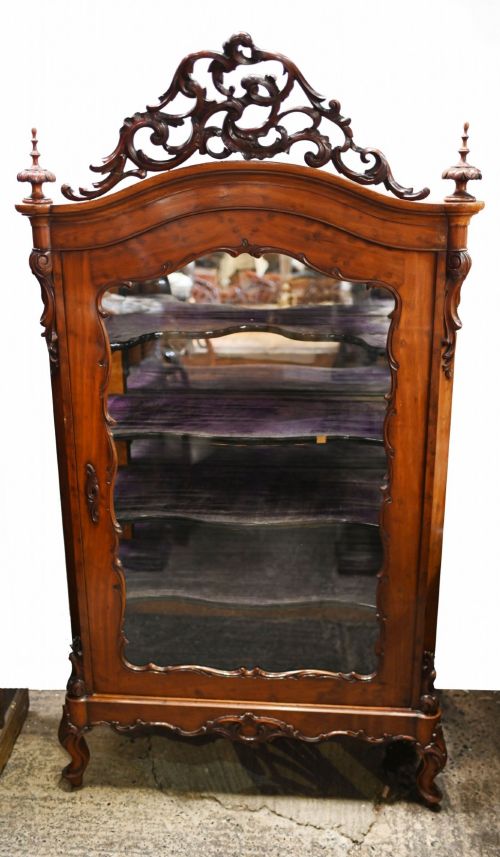
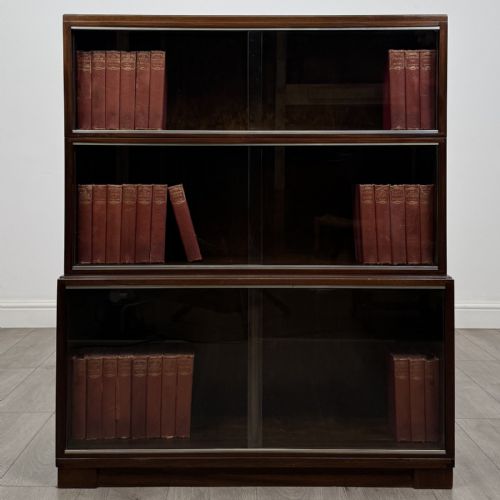
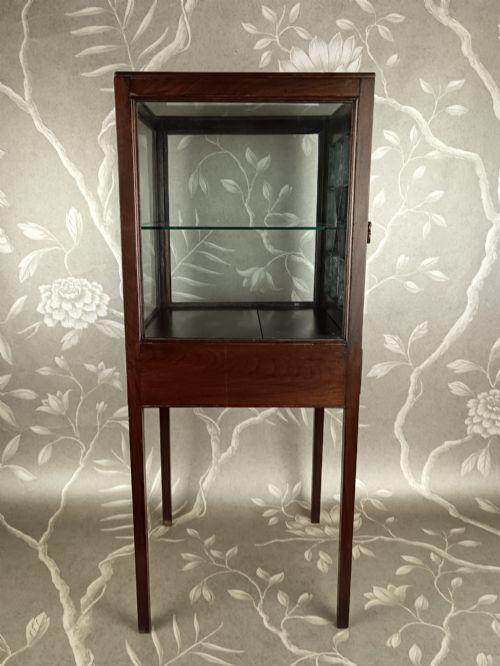
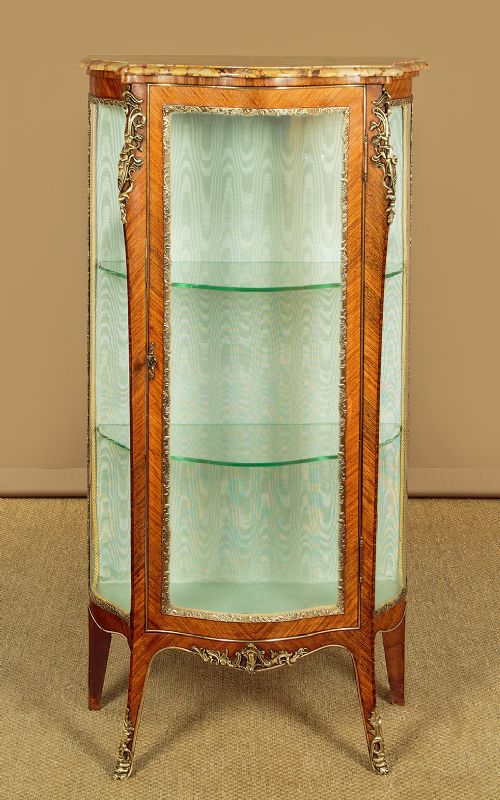
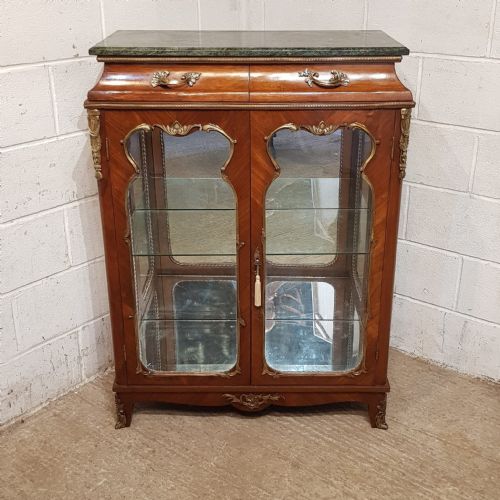
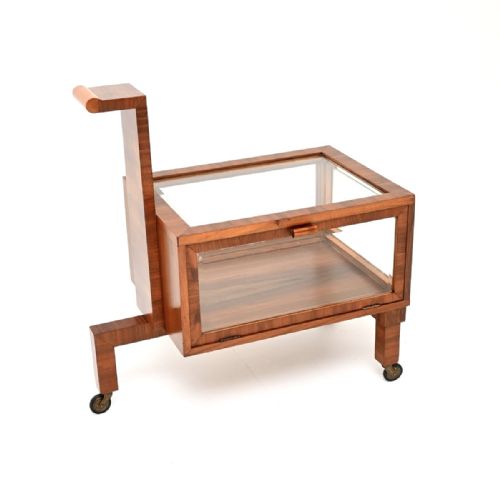
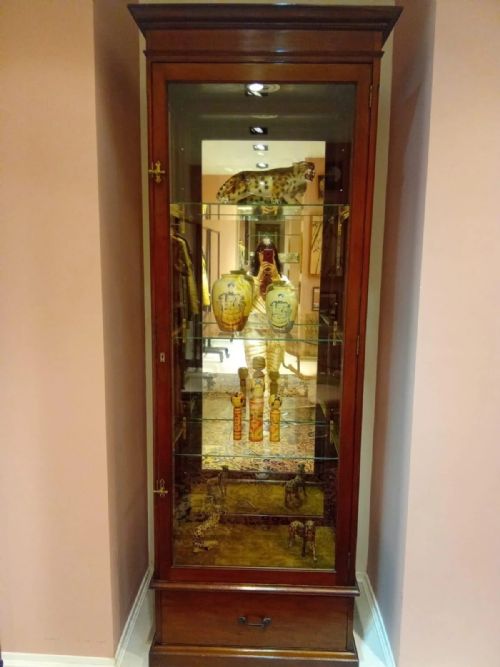
A vintage showcase cabinet is designed primarily to display objects behind transparent panes, drawing on forms made across the Victorian, Edwardian and Art Deco periods. Buyers encounter domestic china cabinets, shop display counters, wall-mounted units and tabletop cases.
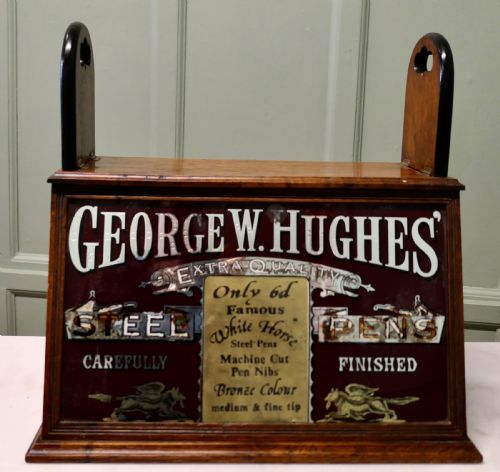
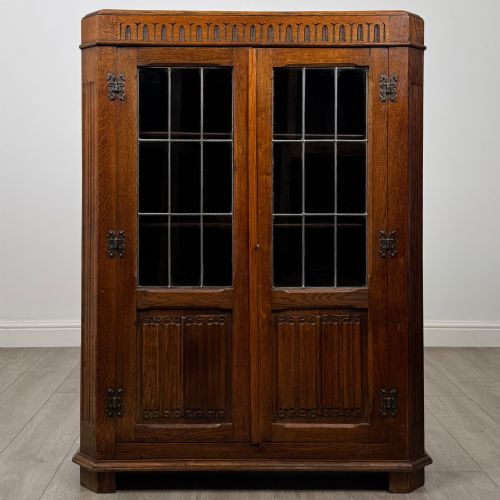
The materials span mahogany, oak and walnut, often paired with glass, mirror backs and brass hardware. Commercial origins appear in haberdashery counters and stationers cupboards, while domestic examples utilise marquetry and satinwood inlay.
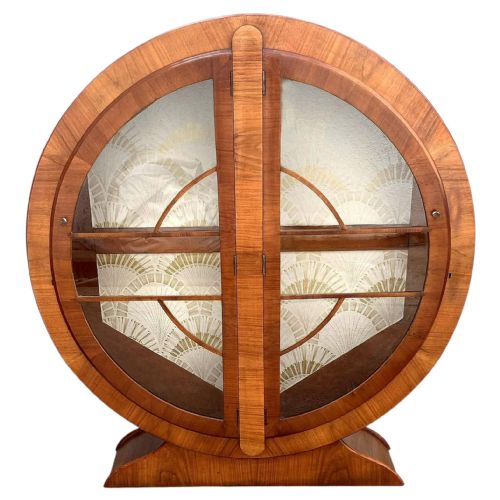
Interior fittings range from adjustable glass shelves to velvet linings and fabric backings. Forms vary from bow ends and circular shapes to standard upright cupboards and low serving carts.
Materials and construction
Timbers such as solid mahogany, oak and walnut form the structural carcasses and frames. Craftsmen utilised these hardwoods alongside satinwood inlay, ebonised finishes and carved details.
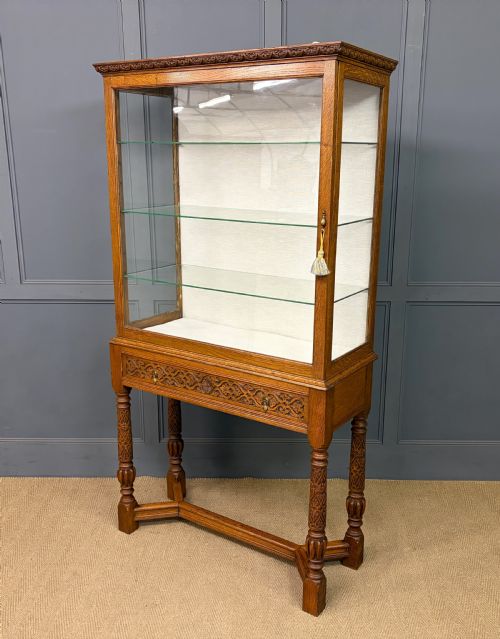
Large sheets of glass and glazed panels permit all-round visibility, supported by brass mounts, gilt metal, leaded sections and chrome hardware.
Interiors frequently incorporate mirrored glass backs, fabric panels, velvet surfaces and adjustable glass shelving to reflect light onto the items displayed.
Vintage Showcase Cabinet Retail Price Guide 2026
Typical asking prices for vintage showcase cabinet among the pieces listed under this phrase on Sellingantiques today, from the lower quarter to the upper quarter. They describe what is for sale here now, not the wider market.
Some cabinets served as gun storage before finding new life displaying delicate porcelain.
Assessing quality and craftsmanship
Quality rests on the selection of timber and the precision of the joinery, particularly around curved glass doors, bow ends and sliding mechanisms. Superior cabinets display fine floral marquetry, crisp carving and robust internal framing.
Commercial heritage influences build quality, as pieces intended for heavy retail use by makers such as F. Sage and Co demand sturdy construction. The integration of original brass hardware, bevelled glass and intact mirrored interiors distinguishes finer examples.
F. Sage and Co·Dudley and Co·Rurka
The Vintage Showcase Cabinet Glossary
- Haberdashery counter
- A long shop display unit fitted with multiple glass drawers or compartments. These were built for commercial textile display.
- Marquetry
- Decorative patterns formed by inserting thin pieces of wood veneer into a solid timber surface. Floral motifs frequently appear on Edwardian panels.
- Bow end
- A curved cabinet end that creates a rounded frontage. This shape softens the corners of large display pieces.
- Linenfold
- A carved wood panel moulding that imitates folded fabric. It appears on revival oak furniture.
Vintage Showcase Cabinet: Frequently Asked Questions
What is a vintage showcase cabinet?
It is a glazed piece of furniture built to display objects while protecting them from dust. These cabinets originate from both domestic parlours and commercial retail shops.
They utilise transparent glass panels, shelves and timber frames to showcase items like china, books and collectables.
How were shop display cabinets used?
Shop display cabinets stood in retail premises to present goods securely to customers. Merchants used countertop models, tall wall units and large counters to exhibit wares.
Commercial examples often feature sliding doors, mirrored backs and adjustable glass shelves for practical stock organisation.
How do I style a showcase cabinet at home?
A showcase cabinet suits living rooms, dining spaces and hallways as a focal storage piece. The internal shelves allow grouped arrangements of ceramics, glassware or books.
Consider the lighting within the room so that natural daylight passes through the glass panes and reflects off the mirror backings.
How do I date a display cabinet?
Dating relies on observing the timber choices, decorative styles and construction techniques. Victorian and Edwardian pieces frequently feature heavy mahogany with marquetry, while 1930s examples display Art Deco walnut, circular forms and chrome.
Commercial items often carry maker plaques or specific hardware associated with early twentieth-century shop fitters.