





Vintage Shop Display Hand
These vintage shop display hand pieces bring genuine commercial character into a room, offering tactile presence and historical utility.
Vintage Shop Display Hand
When you search for vintage shop display hand pieces, you encounter items shaped by commercial history rather than domestic comfort. The inventory on this page ranges through periods such as the Victorian era, the nineteenth century, and the early twentieth century, alongside styles like rustic country, folk art, and industrial design.
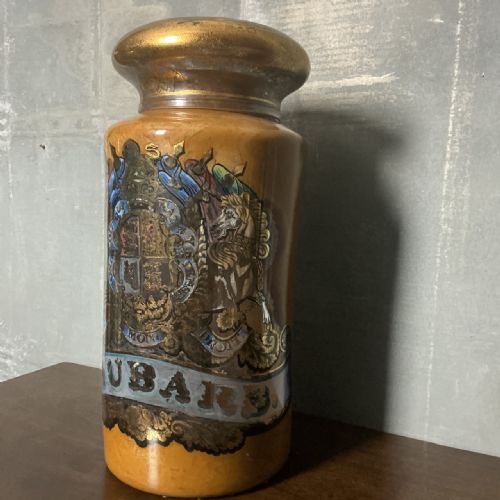
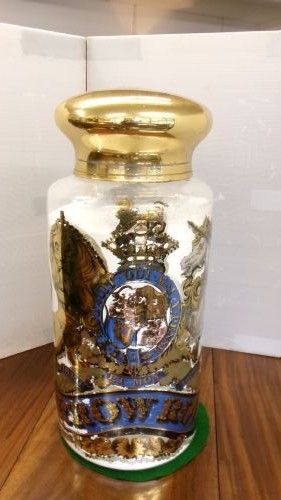
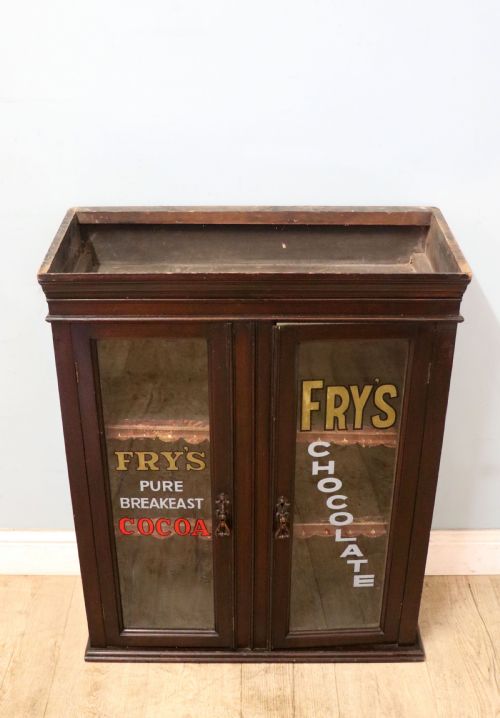
Most items appearing under this category take the form of trade signs, apothecary jars, display cabinets, and sculptural figures. Materials span glass, wood, paint, gold leaf, brass, mahogany, metal, ceramic, and papier mache, reflecting the practical needs of past merchants.
How they were made
Makers utilised solid timbers like mahogany and walnut for cabinets and carved wooden animal figures, often pairing glass and ceramic elements for apothecary storage. Hand sign writing applied with paint and gold leaf imparted commercial identity to trade signs and display furniture.
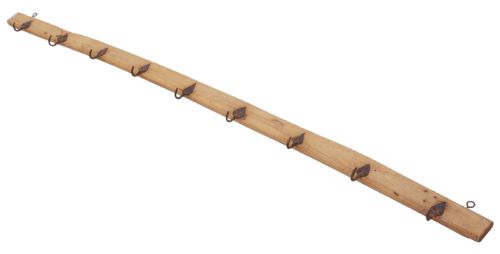
Structural fabrication involved traditional joinery for cabinets and racks, whilst figures and display pieces relied on manual carving and moulding in materials such as papier mache and metal.
Vintage Shop Display Hand Retail Price Guide 2026
Typical asking prices for vintage shop display hand among the pieces listed under this phrase on Sellingantiques today, from the lower quarter to the upper quarter. They describe what is for sale here now, not the wider market.
Materials recorded on this page include glass, wood, paint, gold leaf, brass, mahogany, metal, ceramic, and papier mache.
What varies in quality
Distinction across the range rests on the integrity of original painted surfaces, hand lettering, and material selection. Pieces displaying crisp hand sign writing and intact original frames or glazing sit apart from those with compromised finishes.
The sophistication of carving on sculptural figures and the solidity of construction in display furniture determine the standing of individual items within the historical record.
The Vintage Shop Display Hand Glossary
- Trade Sign
- A board or object placed outside a shop to advertise wares or services to the public. These items often feature hand painted lettering and original wooden frames.
- Apothecary Jar
- A large glass or ceramic vessel used by chemists to store ingredients and medicines. They frequently include covers and period labelling.
- Hand Sign Written
- Lettering applied manually using paint or gold leaf to display commercial advertising. This technique imparts distinct character to cabinets and trade boards.
- Papier Mache
- A composite material made from paper pulp and binding agents, moulded into decorative figures. It provided a lightweight alternative to carved timber.
Vintage Shop Display Hand: Frequently Asked Questions
What are vintage shop display hand pieces?
These items comprise historical objects created for commercial trade, including display cabinets, apothecary jars, trade signs, and sculptural figures.
They reflect the functional advertising and storage methods utilised by merchants during the nineteenth and early twentieth centuries.
How were trade signs used?
Traders mounted these boards and objects outside or inside premises to identify their business and attract customers.
Hand painted lettering and symbols communicated the specific goods sold within the shop.
How do I live with a display cabinet?
These cabinets suit domestic interiors for organising and exhibiting collections of smaller objects behind glazed doors.
Their substantial timber construction and commercial lettering add distinct architectural weight to a room.
How can I tell periods apart?
Victorian and nineteenth century pieces often employ solid mahogany or walnut with traditional joinery and detailed hand sign writing.
Later items from the 1920s and 1930s introduce simpler painted surfaces and alternative materials like papier mache.