



Vintage Shaving Mirror Stand
A vintage shaving mirror stand offers a practical focal point for the dressing table, combining adjustable glass with sturdy timber or metal frames.
Vintage Shaving Mirror Stand
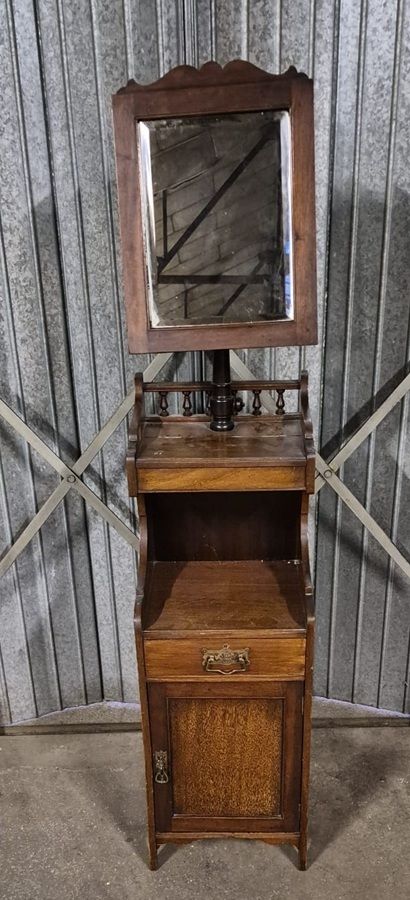
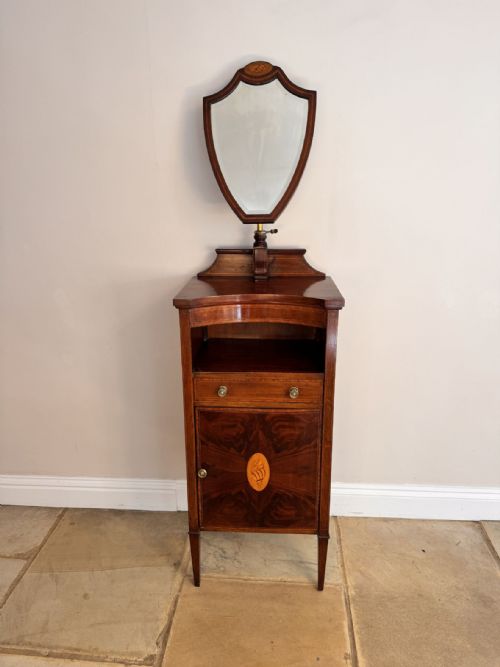
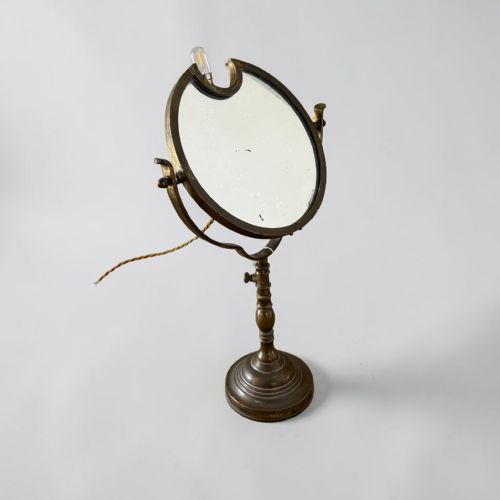
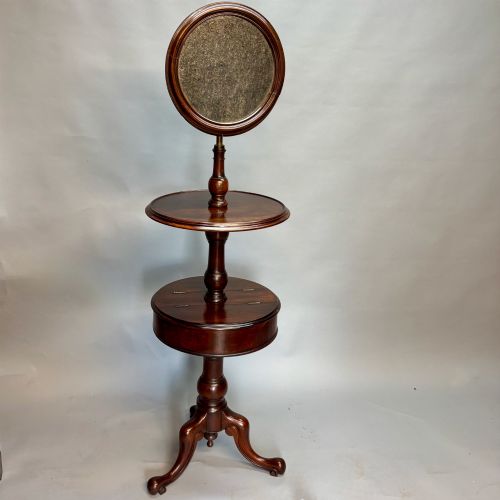
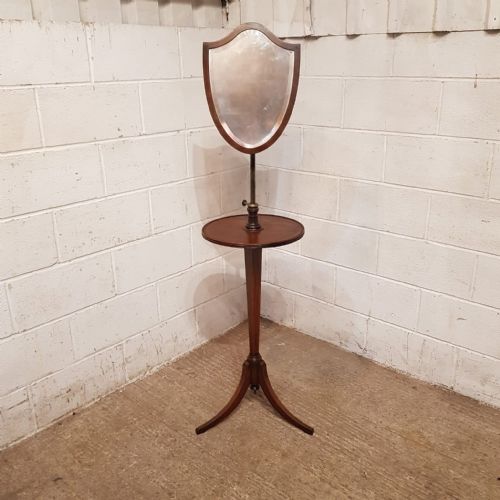
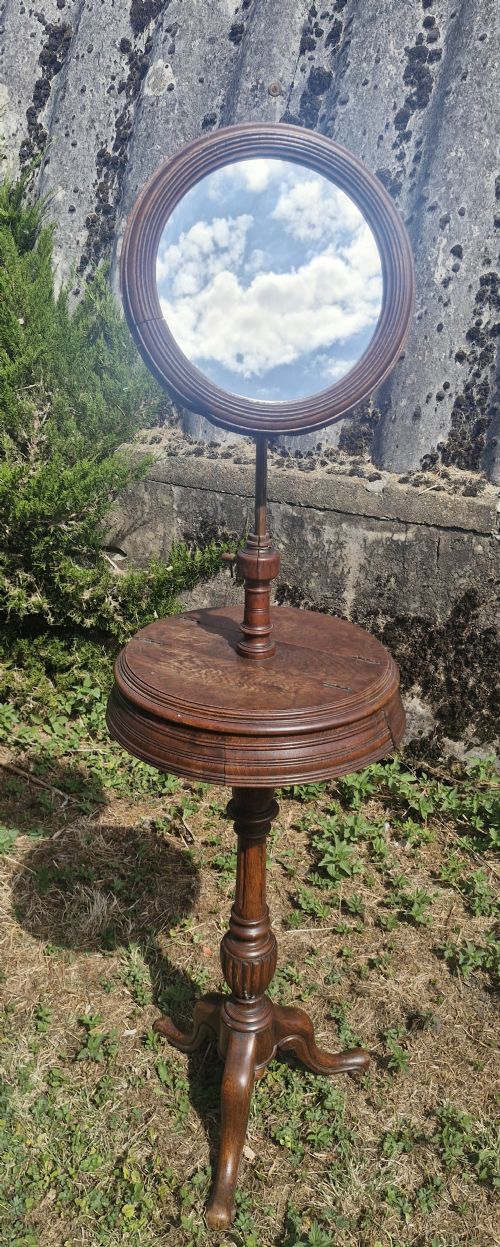
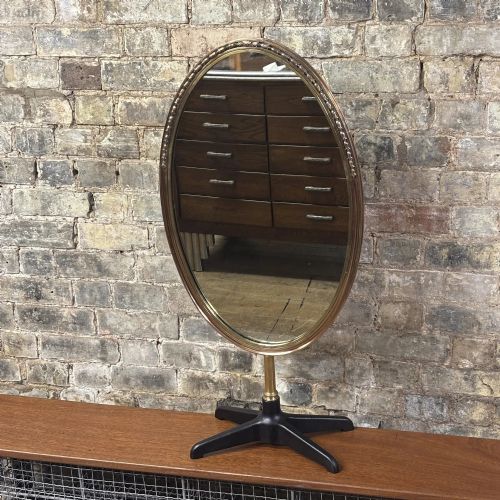
A vintage shaving mirror stand brings together functional grooming pieces and decorative dressing table accessories from past centuries. When you search for a vintage shaving mirror stand, you encounter a variety of forms including freestanding gentleman's stands, tabletop mirrors, and vanity tables with integrated glass.
The pieces appearing on this page span several distinct periods, most notably the Victorian, Edwardian, and Georgian eras, alongside early twentieth-century designs. You are most likely to meet mahogany, oak, and walnut frames alongside brass and chrome constructions, reflecting the shifting tastes of domestic interiors over time.
The object types range from dedicated shaving stands with cupboards to adjustable tabletop mirrors and scientific optical glass. Each format served the daily routines of past households, whether placed upon a washstand or stood independently on the floor.
Assessing Quality
Quality in these pieces rests upon the precision of the adjustable mechanisms and the integrity of the timber or metal framework. A superior piece exhibits smooth movement in the mirror pivots without looseness in the joints.
The selection of materials marks the distinction between standard domestic items and finer workshop productions. Finely figured mahogany or walnut veneers, neat brass fittings, and thoughtful proportions separate exceptional examples from simpler utilitarian objects.
Vintage Shaving Mirror Stand Retail Price Guide 2026
Typical asking prices for vintage shaving mirror stand among the pieces listed under this phrase on Sellingantiques today, from the lower quarter to the upper quarter. They describe what is for sale here now, not the wider market.
Listings feature periods spanning from the Georgian era through the Victorian and Edwardian periods up to the 1930s.
James Shoolbred·Thomas Rubergall·Mirror Brot
The Vintage Shaving Mirror Stand Glossary
- Cheval mirror
- A freestanding mirror that swings in a frame, allowing the user to view their full reflection. These are typically larger than tabletop versions.
- Skeleton mirror
- A dressing mirror supported by a minimal, open frame rather than a solid box base. This style often dates from the Georgian period.
- Toilet mirror
- A smaller mirror designed to sit on top of a dressing table or chest of drawers. They frequently incorporate small drawers in the base.
- Inlay
- A decorative technique where contrasting materials are inserted into depressions in the wood surface. Common motifs include geometric lines or floral patterns.
Vintage Shaving Mirror Stand: Frequently Asked Questions
How do I adjust the mirror?
Most stands utilise side screws or pivot pins that can be gently tightened or loosened by hand to hold the glass at the desired angle. Care should be taken not to force older brass fittings.
Ensure the base remains stable on a flat surface before making adjustments to prevent tipping.
Were these used exclusively by men?
While many dedicated shaving stands were marketed to gentlemen for morning grooming, dressing table mirrors and vanity tables served general household use. The terminology often reflects the specific compartments included for shaving gear.
Many adjustable tabletop designs were suitable for any domestic dressing space regardless of gender.
How do I clean the glass?
Older mirrors often feature original silvering that can be delicate, requiring mild cleaning solutions applied with a soft cloth rather than harsh chemical sprays. Avoid letting moisture seep behind the glass edge.
Maintaining the surrounding wood or metal with appropriate polish preserves the overall condition of the stand.
Can I date a piece by its wood?
Mahogany and walnut were favoured during the Georgian and Victorian eras, while oak appeared across multiple centuries with distinct carving styles. Edwardian pieces often employed lighter inlay work.
Combined with the construction methods and mirror edge bevelling, the timber provides strong clues to the manufacturing period.