
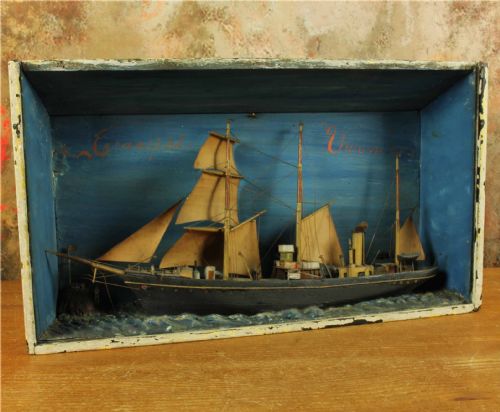


Vintage Shadow Box Display
A vintage shadow box display brings miniature worlds and prized curiosities to life within a compact, framed enclosure.
Vintage Shadow Box Display
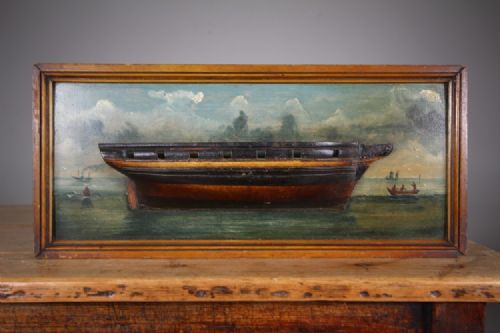
When you search for a vintage shadow box display, you encounter dimensional viewing cases designed to hold objects safely behind glass. These pieces take the form of maritime dioramas, taxidermy enclosures, and folk art scenes containing miniature models or natural specimens.
The selections span the nineteenth and early twentieth centuries, drawing heavily from Victorian and Edwardian aesthetics. Maritime dioramas depicting sailing ships and folk art shell compositions dominate the visual landscape of these offerings.
How they were made
Wood provides the structural foundation, utilising mahogany, satinwood, and oak for the outer frames and display boxes. Glazing protects the internal contents, while internal mounts incorporate painted canvas, paper backgrounds, and velvet linings.
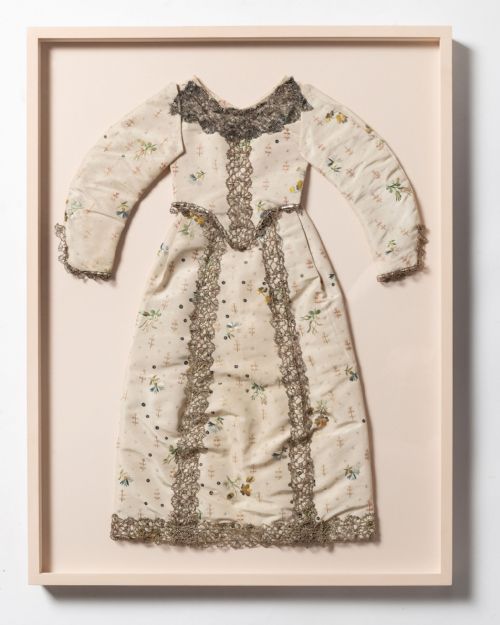
Makers constructed intricate internal scenes by hand, combining carved wooden boat models, painted maritime backdrops, and preserved natural elements. Individual components like shells, feathers, and textiles were arranged meticulously within the recessed depth of the box.
Listings feature pieces spanning the nineteenth and early twentieth centuries, incorporating materials such as glass, mahogany, velvet, and canvas.
What varies in quality
The refinement of the internal modelling separates standard examples from exceptional ones. Miniature ship models with precise rigging and detailed hand-painted sea elements demonstrate superior craftsmanship compared to simpler iterations.
The choice of enclosing cabinetry and timber selection impacts the overall standard. High-grade specimens utilise dense hardwoods like mahogany with careful joinery, while simpler boxes rely on basic softwood construction.
The Vintage Shadow Box Display Glossary
- Diorama
- A three-dimensional scene featuring miniature figures and models set against a painted background. These enclosures capture historical vessels or natural history subjects inside a protective wooden frame.
- Bijouterie table
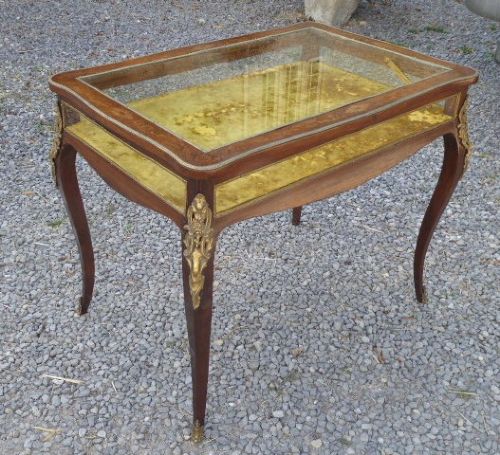
- A glass-topped display table designed to showcase small decorative items and curiosities. They share the glass-fronted presentation concept seen in wall-mounted shadow boxes.
- Taxidermy
- The art of preserving and mounting animal specimens for display. These preserved creatures appear inside glass-fronted wooden cases to protect them from dust and damage.
- Folk art
- Utilitarian or decorative items created by self-taught makers using traditional methods. These pieces often incorporate accessible materials like shells, paper, and carved wood.
- Marquette
- A decorative technique where thin slices of wood and other materials are applied to a structure to form geometric or pictorial designs. This work appears on the outer frames and associated display tables.
Vintage Shadow Box Display: Frequently Asked Questions
How were shadow box displays used?
These cases served primarily to display delicate three-dimensional objects, maritime models, and natural history specimens while protecting them from dust and handling.
Victorian and Edwardian households utilised them as conversation pieces in drawing rooms and parlours to showcase travel souvenirs and personal collections.
What subjects do maritime dioramas show?
Maritime dioramas depict historical sailing ships, naval vessels, and racing yachts positioned upon painted canvas or modelled plaster seas.
Many record specific named vessels, capturing intricate details of rigging and hull construction through handmade folk art techniques.
How do I care for a vintage display case?
Keep wooden frames and glass panels away from direct sunlight and fluctuating humidity to protect the delicate internal components and adhesives.
Clean the exterior glass gently with standard glass cleaner applied to a cloth rather than sprayed directly onto the surface.
What materials are inside taxidermy cases?
Taxidermy shadow boxes contain preserved birds or animals mounted amidst artificial foliage, painted backdrops, and natural elements like twigs.
The entire arrangement is sealed behind protective glass within wooden enclosures made from oak or mahogany.