


Vintage Serving Platters Plates
When you handle vintage serving platters plates, you meet substantial silver plate, earthenware and porcelain designed for formal dining and hospitality.
Vintage Serving Platters Plates
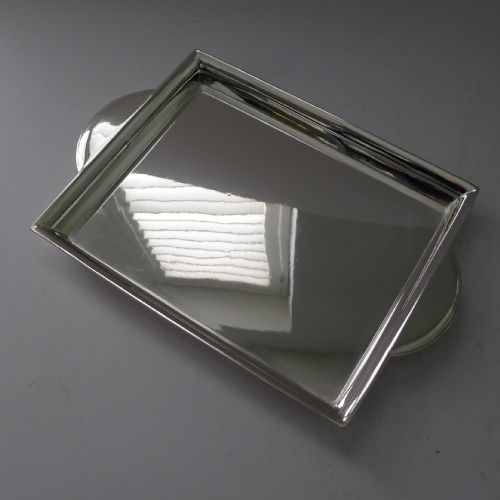
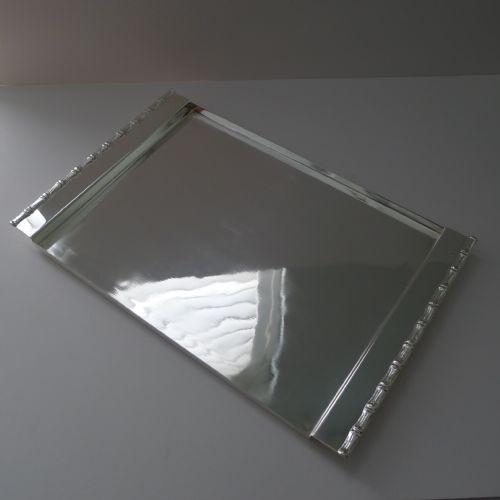
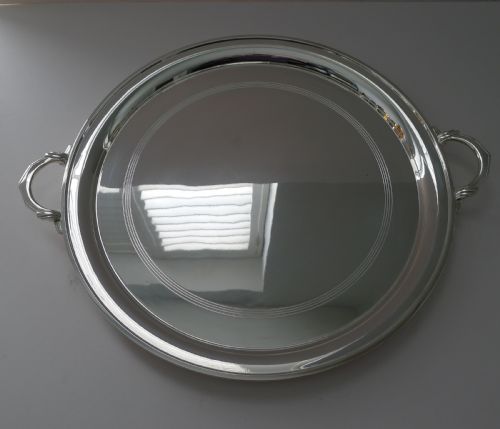
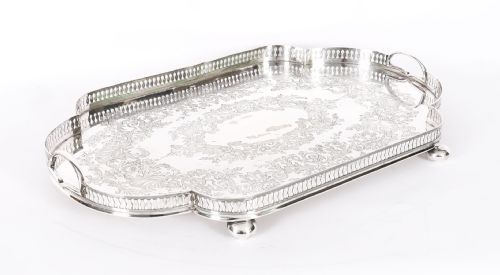
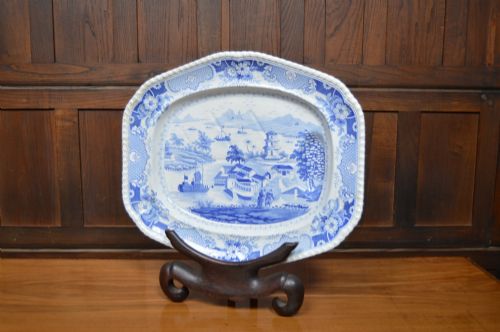
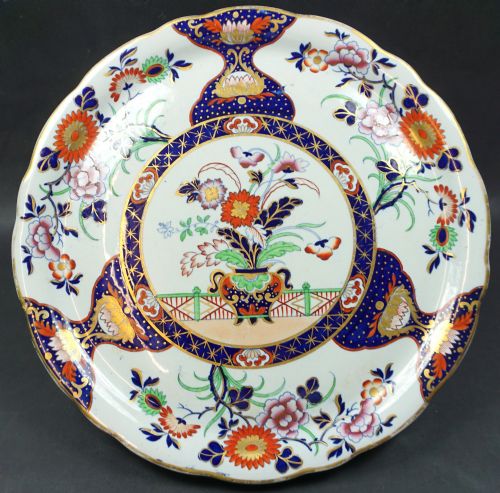
Buyers searching for vintage serving platters plates encounter a diverse range of domestic tableware spanning multiple centuries, from eighteenth-century delft chargers to mid-century cocktail trays. The selection centres heavily on nineteenth-century and Edwardian silver-plated serving pieces, alongside ceramic platters and transferware.
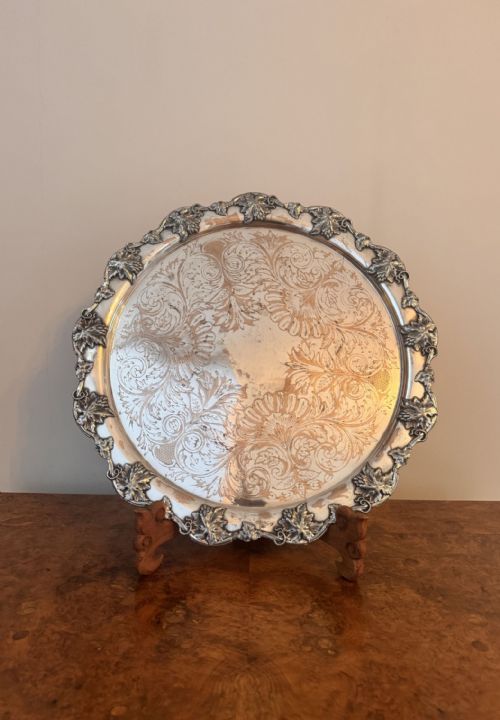
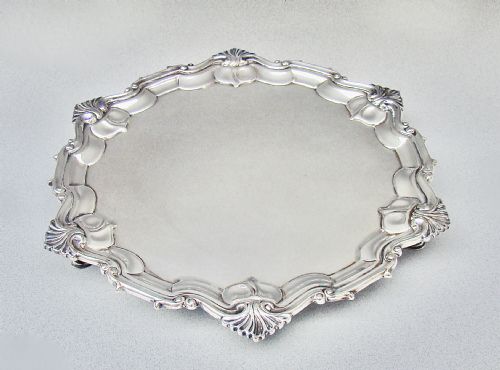
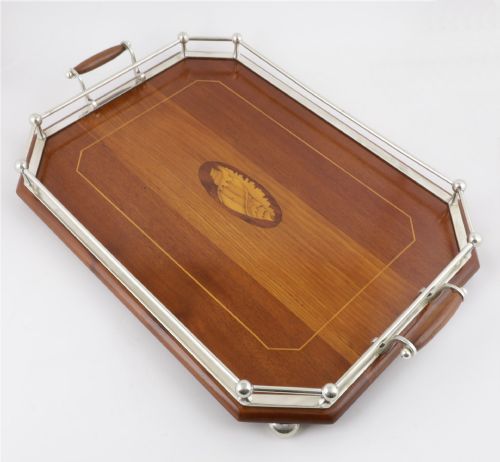
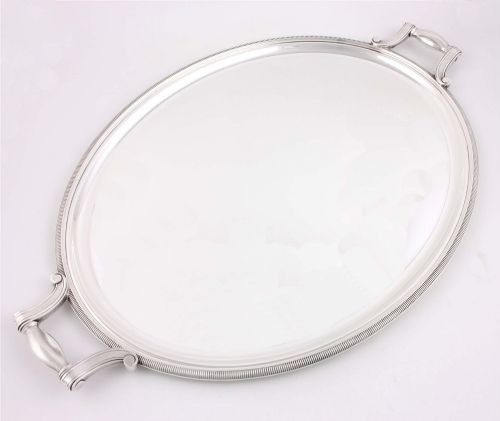
Forms include large meat platters, gallery trays, salvers, and decorative chargers intended for display or table service. Origin points range across English potteries, continental workshops, and Japanese Meiji period porcelain and enamel pieces.
The most common items meeting this search are silver-plated trays and ceramic chargers produced during the Victorian and Edwardian eras. These domestic utensils reflect the changing dining customs of their respective periods.
Materials and methods of construction
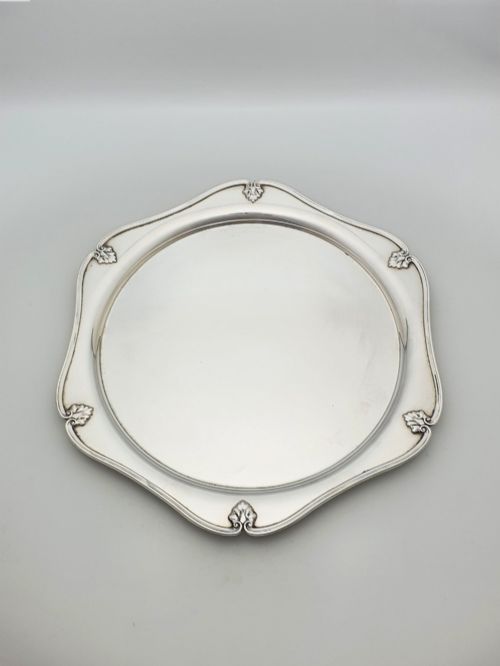
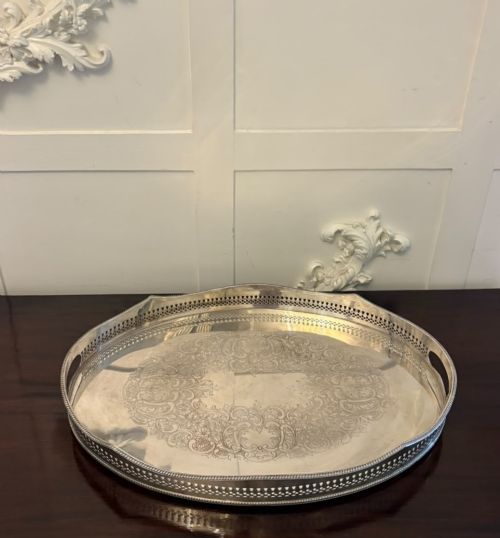
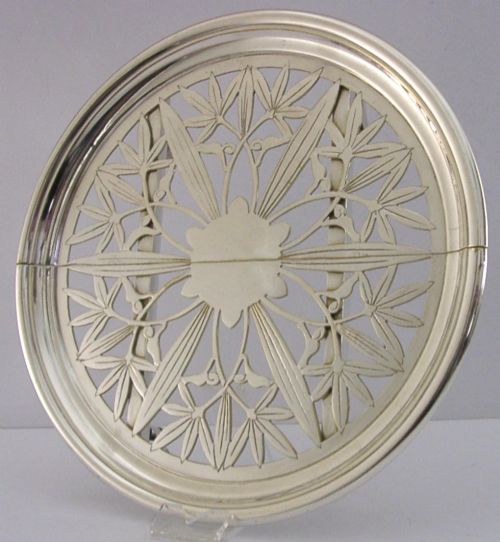
Metal items rely primarily on silver plate and EPNS applied over base metals, alongside copper and pewter found in earlier domestic utensils. Silversmiths utilised techniques such as engraving, piercing for gallery rails, and applied decorative borders featuring grapevines or shells.
Look closely for the unexpected inclusion of a Japanese Meiji period cloisonné enamel tray depicting a leaping koi among Victorian silver plate.
Distinctions in manufacture and preservation
Quality in silver-plated pieces rests upon the thickness of the plating layer, the crispness of chased or engraved detailing, and the structural integrity of applied handles and gallery rails. Substantial gauge metal resists warping and maintains surface finish through decades of polishing.
For ceramics and porcelain, excellence appears in the clarity of transfer printing, the precision of hand-painted enamels, and the absence of firing distortions in large platters. Maker attribution to established potteries or workshops further elevates a piece within its category.
Mappin & Webb·James Deakin·William Hutton & Sons·Christofle·Hicks & Meigh·John Rogers & Son·Royal Doulton·Henry Wilkinson·John Tubb
The Vintage Serving Platters Plates Glossary
- Silver Plate
- A thin layer of silver bonded to a base metal such as copper or a white metal alloy. This technique allowed manufacturers to produce domestic wares with the appearance of solid silver at a lower cost.
- Transferware
- Earthenware or porcelain decorated by applying a printed design from an engraved copper plate onto the ceramic surface. This process enabled consistent mass production of intricate blue and white patterns.
- Gallery Tray
- A serving tray fitted with an openwork metal railing or pierced gallery around its perimeter. The raised border prevented items from sliding off during service.
- Charger
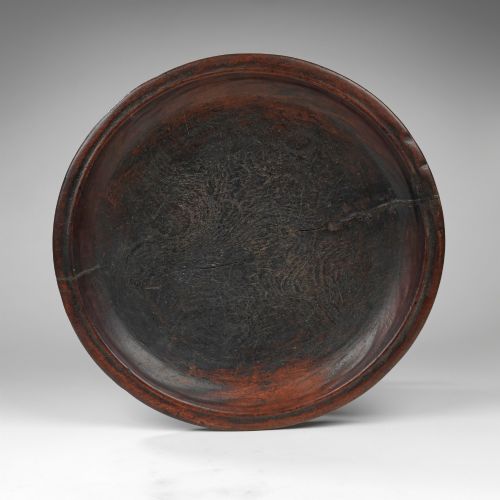
- A large decorative plate used historically beneath other courses at a formal table or displayed upright on a sideboard. In earlier centuries these were fashioned from pewter, Delft earthenware or porcelain.
- EPNS
- Electroplated Nickel Silver, a common base metal alloy coated with a layer of silver via an electrolytic process. It became the standard method for manufacturing durable tableware from the mid-nineteenth century onward.
Vintage Serving Platters Plates: Frequently Asked Questions
How do I clean antique silver plated trays?
Use a soft cloth and a specialised silver polish formulated to avoid abrasive wear on the thin metal layer. Rinse gently with warm water and dry thoroughly to prevent tarnishing.
Avoid harsh chemical dips that strip the underlying plate and damage any applied chased or engraved surface details.
Were these platters used for food daily?
Many serving platters and meat dishes saw regular use in formal dining rooms during the Victorian and Edwardian periods. Large households deployed them for joint meats, fish, and cheese courses.
Later items such as cocktail trays were dedicated to entertaining and beverage service rather than heavy meal preparation.
How can I tell a Victorian tray from an Edwardian one?
Victorian metalwares frequently display heavier, ornate cast borders with floral or rococo revival motifs reflecting industrial confidence. Edwardian pieces often lean towards lighter proportions and refined gallery rails.
Maker marks and registration numbers stamped into the base provide the most reliable dating evidence.
Can I use antique transferware platters for serving food?
Most antique ceramic platters remain structurally sound for serving dry foods or bread. However, older glazes may contain trace materials that discourage heavy daily culinary use.
Inspect the surface for hairline cracks or crazing where moisture might penetrate the porous earthenware body over time.