


Vintage Serving Bowl
These vintage serving bowl examples span centuries of dining traditions, offering functional elegance for your table through porcelain, silver plate and glass.
Vintage Serving Bowl
A vintage serving bowl fulfills a practical role at the table while bringing period character to your dining room. When you search for a vintage serving bowl, you encounter diverse forms ranging from large centrepiece bowls and punch bowls to covered tureens and fruit baskets.
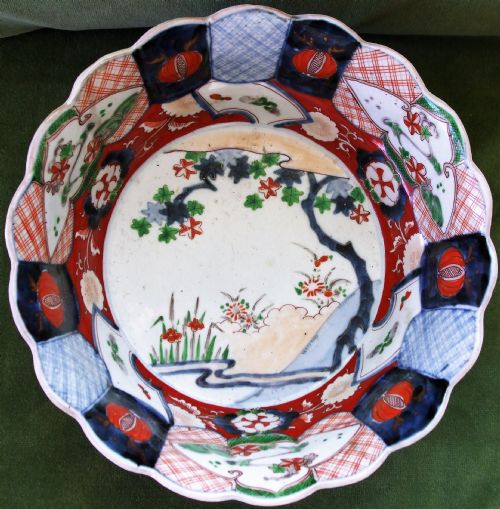
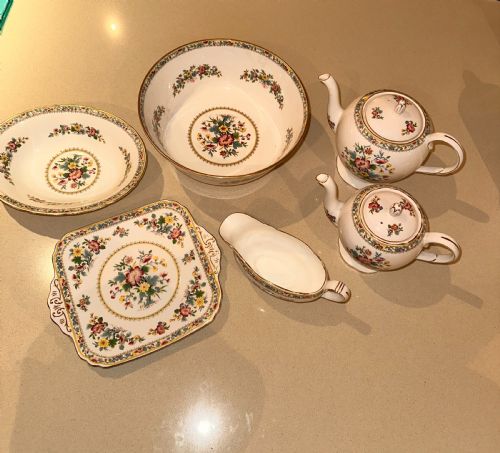
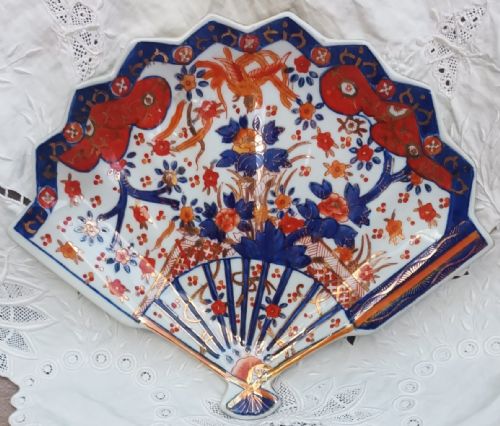
The pieces appearing in this selection traverse the Georgian, Victorian and Edwardian eras, alongside later twentieth-century designs. You are likely to meet silver plated tableware from major makers, alongside Japanese Imari porcelain and traditional English earthenware.
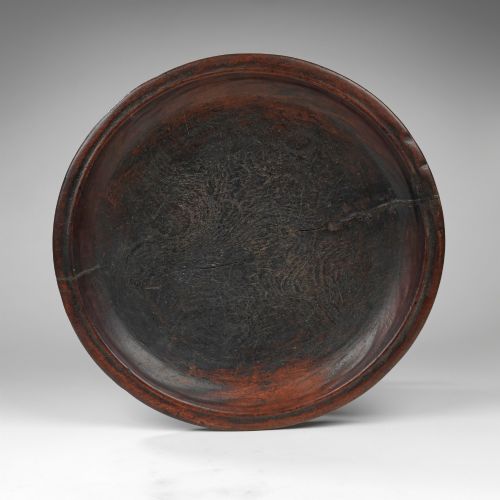
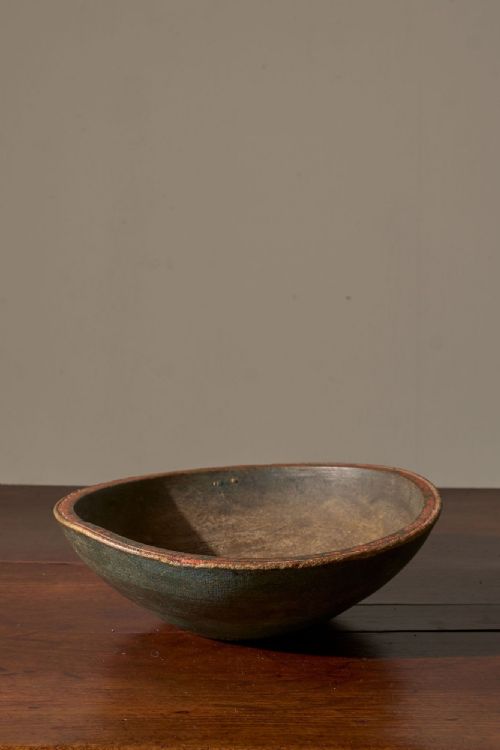
Makers utilised various traditional shapes, from simple turned wooden vessels to elaborate scalloped edge porcelain bowls and opalescent pressed glass designs. Each object reflects the dining habits and interior aesthetics of its specific period of manufacture.
Materials and technique
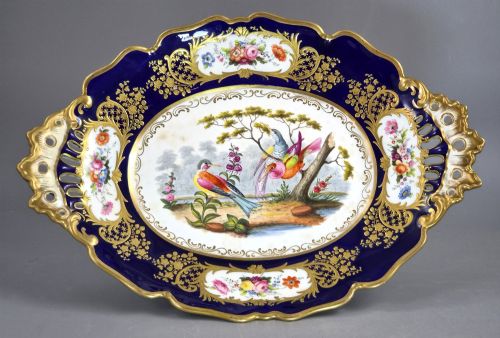
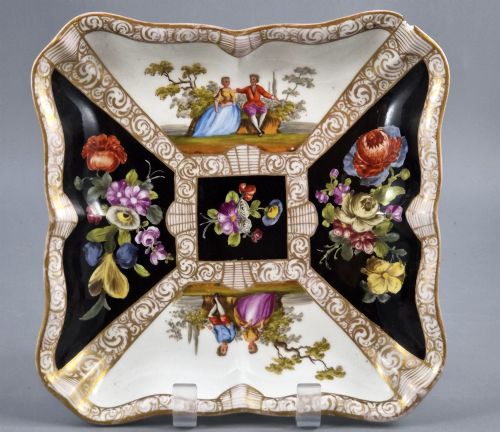
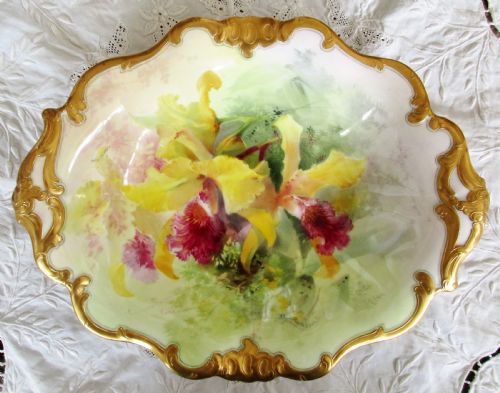
The construction of these items relies upon durable domestic materials, principally porcelain, earthenware, sterling silver, silver plate and cut glass. Potters shaped ceramic pieces on wheels or in moulds before applying hand-painted motifs, cobalt blue grounds or transfer printing.
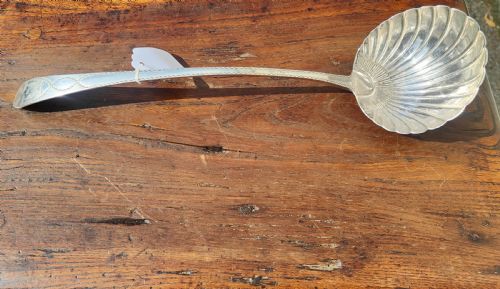
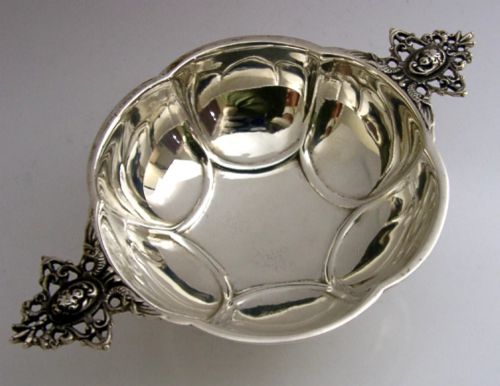
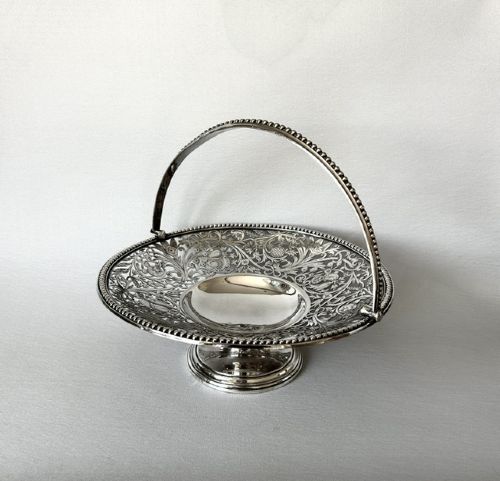
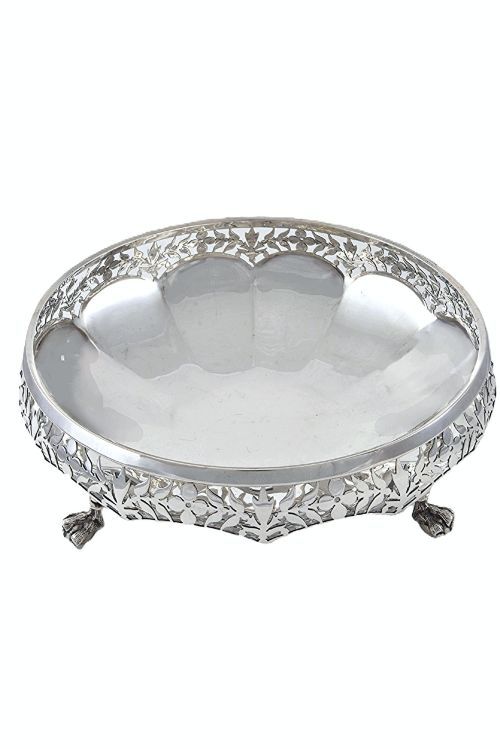
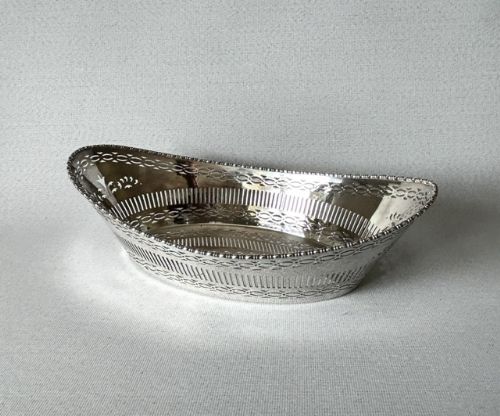
Silversmiths hammered, spun and pierced silver plate and sterling silver to form heavy baskets, tureens and fruit dishes, often adding cast scrollwork and swing handles. Glassmakers employed cutting, moulding and opalescent pressing techniques to achieve heavy decorative punch bowls and fruit dishes.
Vintage Serving Bowl Retail Price Guide 2026
Typical asking prices for vintage serving bowl among the pieces listed under this phrase on Sellingantiques today, from the lower quarter to the upper quarter. They describe what is for sale here now, not the wider market.
Listings feature porcelain, silver plate, earthenware and cut glass forms spanning the Georgian, Victorian and Edwardian periods.
Distinctions in standard
The standard of a piece rests upon the crispness of its manufacture, whether in the depth of cut glass facets or the precision of hand-painted porcelain scenes. Superior examples display careful finishing by skilled artisans, visible in well-balanced proportions and refined surface decoration.
Makers such as Mappin and Webb or Elkington applied high-grade silver plating over sturdy base metals to endure decades of service, while lesser items show thin plating and weaker structural joins. The integrity of the material, whether solid silver, heavy crystal or high-fired ceramic, dictates the longevity and visual weight of the item.
Coalport·Meissen·Royal Doulton·Mann Co·Mappin and Webb·Elkington·Paul Müller Selb·Rene Lalique·Tiffany and Co
The Vintage Serving Bowl Glossary
- Silver plate
- A layer of silver fused or electroplated onto a base metal such as copper or nickel silver. This technique allowed manufacturers to produce durable tableware that possessed the appearance of solid silver at a lower cost.
- Transfer print
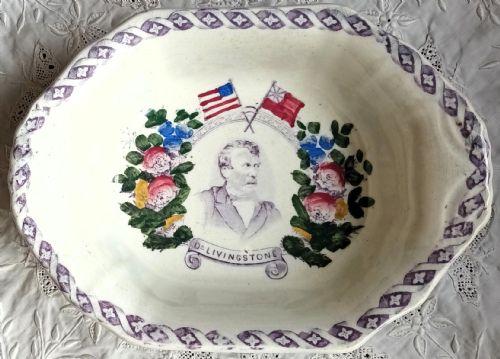
- A method of decorating ceramics by transferring an engraved pattern from a copper plate onto paper and then onto the clay body. It enabled factories to produce intricate blue and white patterns consistently across large dinner services.
- Majolica
- A type of earthenware coated with an opaque tin-lead glaze and painted with vibrant coloured metallic oxides. It achieved widespread popularity in the nineteenth century for decorative garden seats, plates and salad bowls.
- Imari
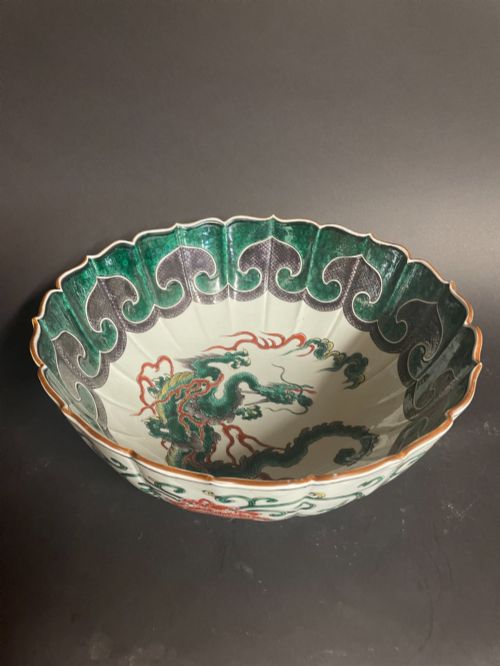
- A style of Japanese porcelain featuring a distinct palette of underglaze blue, iron red, and gilt highlights. These pieces were widely exported to Europe during the Meiji period and inspired numerous Western imitations.
- Entree dish
- A covered serving vessel designed for presenting individual courses at formal dinners. They often featured removable handles and divided compartments to keep food warm.
Vintage Serving Bowl: Frequently Asked Questions
How do I clean an antique silver plated bowl?
Wash silver plated items gently in warm water using a mild washing-up liquid and a soft cloth. Dry them thoroughly immediately afterwards to prevent water spots.
Avoid abrasive cleaners and harsh chemical dips that strip the thin layer of silver plating from the underlying base metal.
Can I use a vintage glass bowl for hot food?
Most antique cut glass and pressed glass bowls are unsuited for serving boiling hot liquids or foods straight from the oven. Thermal shock can cause older glass to crack or fracture.
Stick to serving cold items such as salads, fruit, punches or desserts in your glass tableware.
How do I identify a Victorian ceramic dish?
Examine the underside of the ceramic piece for factory marks, registration numbers, or printed retailer stamps. Nineteenth-century pieces often feature impressed potters' marks or specific transfer-printed names.
Stylistic clues such as floral transfer prints, majolica glazes or Aesthetic movement motifs also point directly to the Victorian era.
What is the difference between a tureen and a fruit basket?
A tureen is a deep, covered vessel traditionally used for serving soups, stews or sauces at the dining table. It usually includes matching ladles and secure lids to retain heat.
A fruit basket or centrepiece bowl is open-topped, designed primarily for dry display purposes on sideboards or dining tables.