
Vintage Seed Pearl Necklace
A vintage seed pearl necklace brings together delicate craftsmanship and natural pearls in designs spanning the Victorian era to the mid-century.
Vintage Seed Pearl Necklace
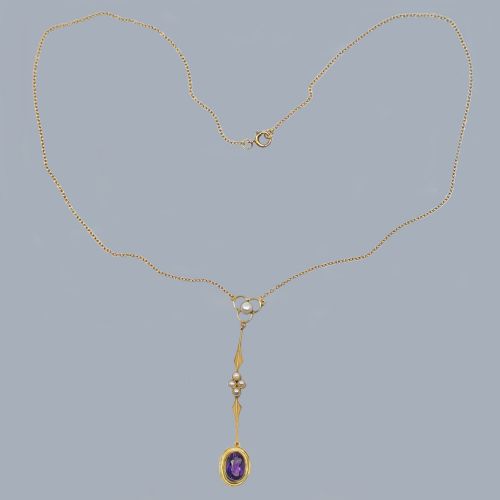
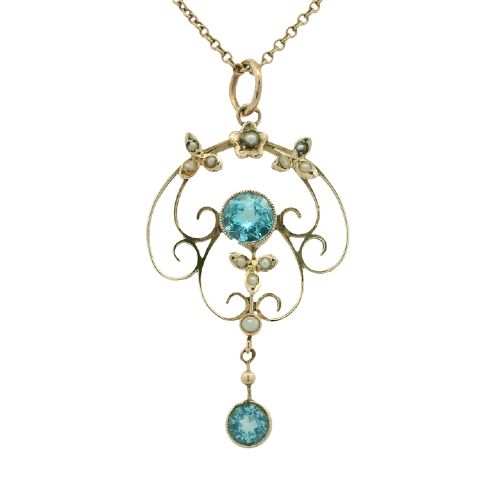
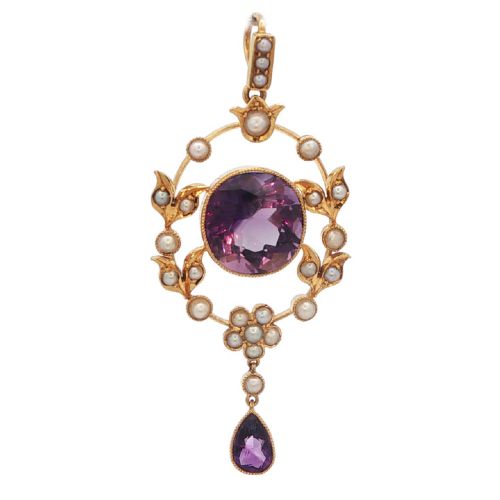
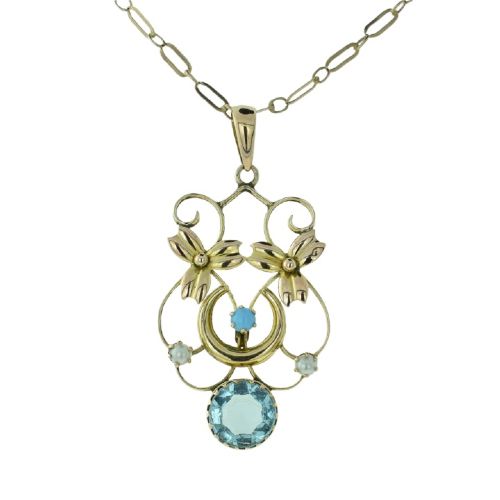
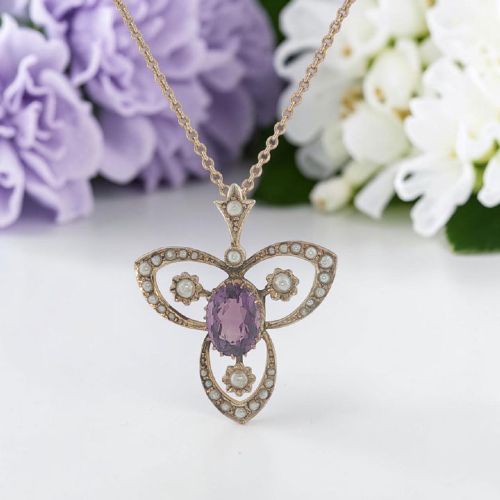
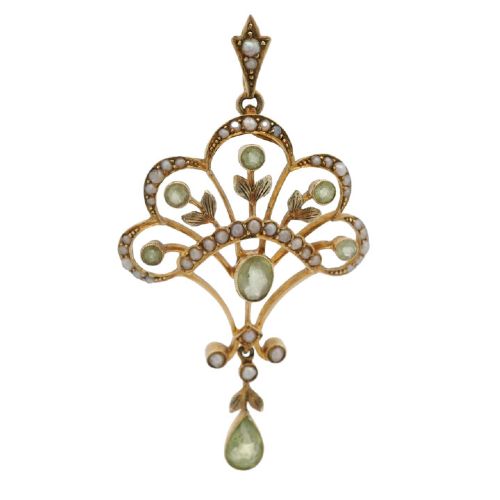
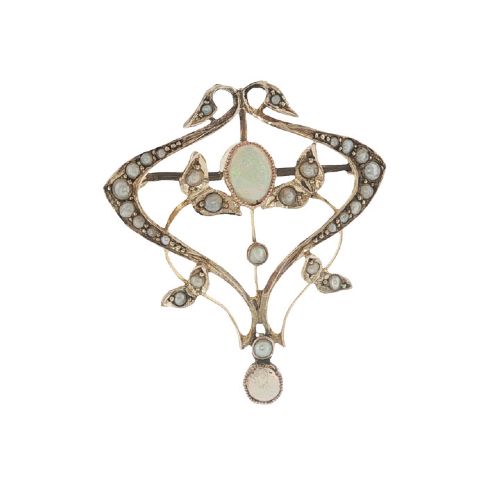
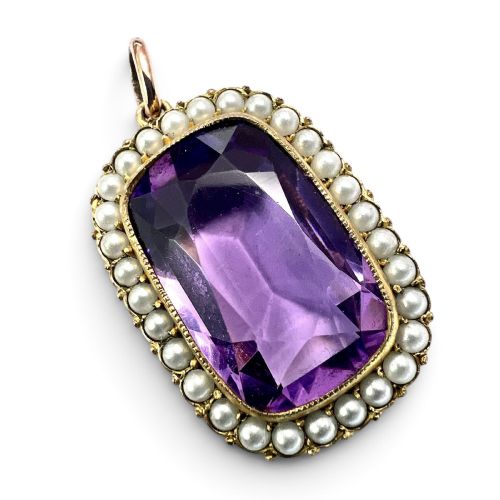
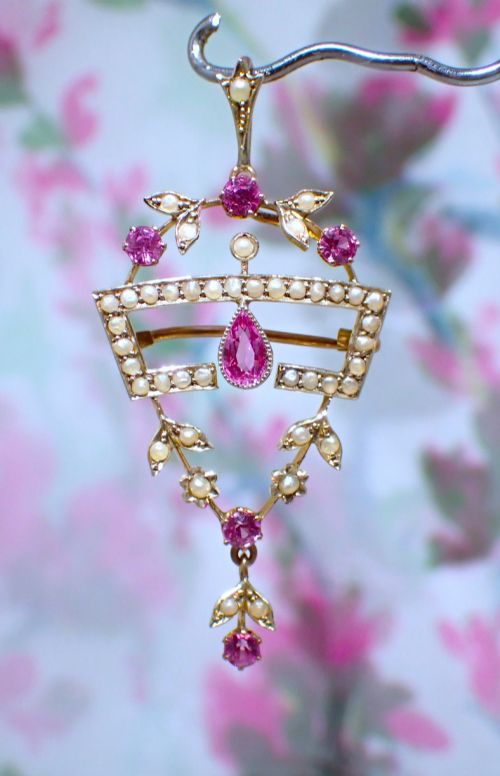
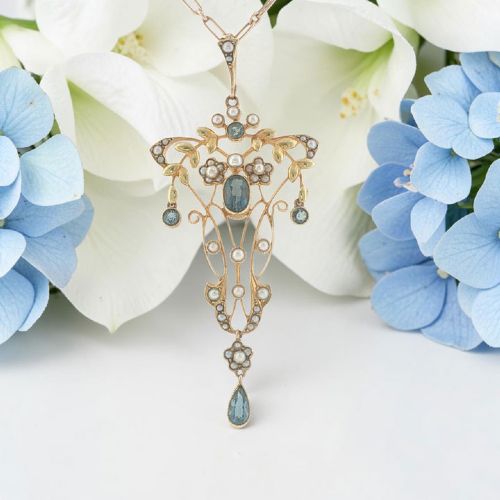
A vintage seed pearl necklace encompasses delicate pendants, multi-strand necklets, and fringe designs created across the Victorian, Edwardian, Art Nouveau, and mid-century periods. Buyers searching for a vintage seed pearl necklace encounter pieces that pair tiny, uniform pearls with gold settings, often incorporating coloured gemstones such as amethyst, peridot, and turquoise.
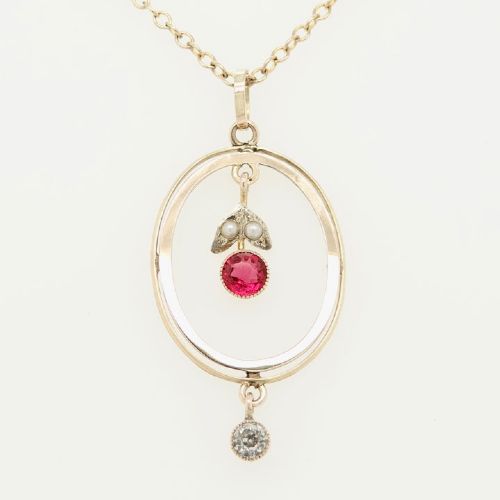
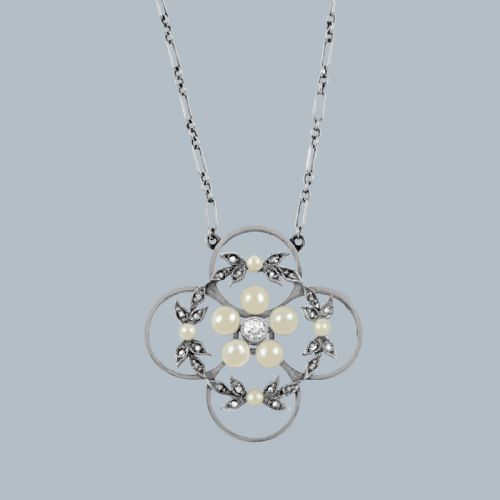
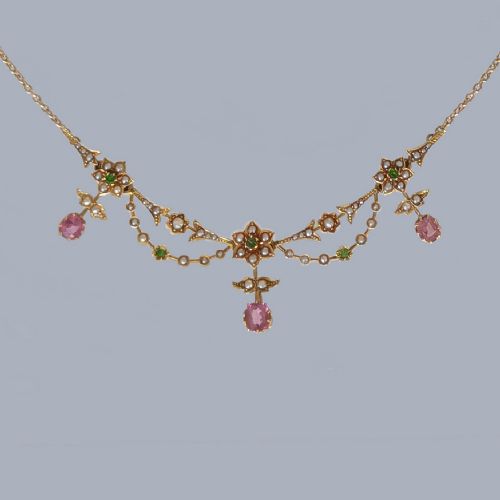
The pieces on this page lean heavily towards Edwardian and Victorian pendant necklaces and lavaliers, alongside multi-strand configurations from the 1950s and 1960s. These items range from simple gold chains set with pearls to elaborate platinum-topped garland and fringe necklaces featuring intricate wirework and gemstone drops.
How they were made
Maker's workshops built these necklaces using 9ct and 15ct yellow and rose gold, platinum, and silver settings to house the tiny seed pearls. Metal components were cast, pierced, and hand-forged into floral, clover, star, and geometric motifs typical of the Art Nouveau and Edwardian periods.
Seed pearls were drilled and secured individually onto fine wire, pins, or silk threads, often combined with larger central gemstones like aquamarine, garnet, and tourmaline. Artisans utilised filigree, millegrain edges, and enamel work to complete the detailed borders of pendants and clasps.
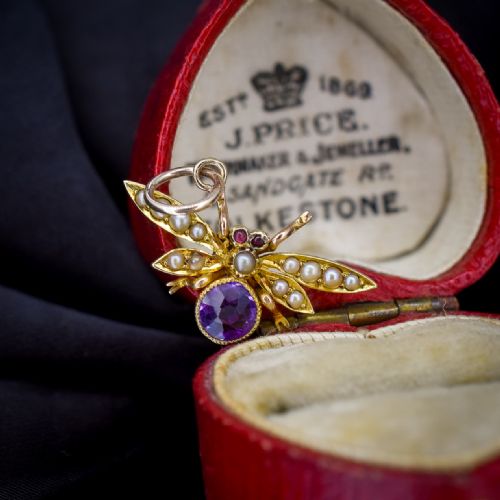
A charming insect fly charm pendant proves that even Victorian jewellers appreciated a tiny winged companion.
What varies in quality
Quality rests in the structural integrity of the delicate pearl settings and the uniformity of the tiny pearls themselves. Pieces featuring securely mounted pearls without replacements demonstrate superior survival and original craftsmanship.
The choice of accompanying precious metals and gemstones alters the character of the piece, with higher-tier examples utilising 15ct gold, platinum frames, and well-matched natural stones. Master craftsmanship shows in the subtlety of the wirework and the seamless integration of clasps within multi-strand layouts.
S. Blanckensee & Son·French Sellier·Chaumet·BIRKS·Cropp and Farr
The Vintage Seed Pearl Necklace Glossary
- Seed pearl
- A very small natural or saltwater pearl, typically under two grains, used in clusters or strung together in quantity. These tiny pearls form the central decorative element of Edwardian and Victorian fringe and pendant necklaces.
- Lavalier
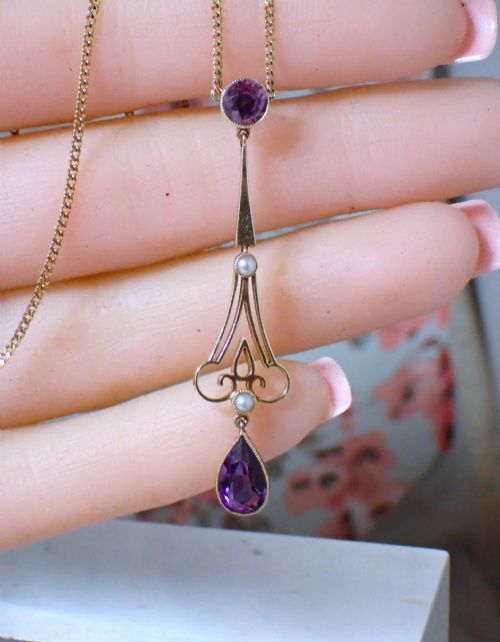
- A pendant necklace featuring a central gemstone drop suspended from a finer chain. This style gained immense popularity during the Edwardian and Art Nouveau eras.
- Fringe necklace
- A necklace design where multiple small drops or pendants hang at intervals along the lower front curve. They frequently incorporate seed pearls alongside garnets, sapphires, or peridots.
- Millegrain
- A jewellery technique involving a line of tiny raised metal beads along the edges of a setting. It creates a soft, textured border typical of Edwardian platinum and gold work.
- Garland style
- A decorative design mimicking looped ribbons, floral wreaths, and swags of leaves. This style dominates Edwardian platinum and gold jewellery production.
Vintage Seed Pearl Necklace: Frequently Asked Questions
What periods do these necklaces come from?
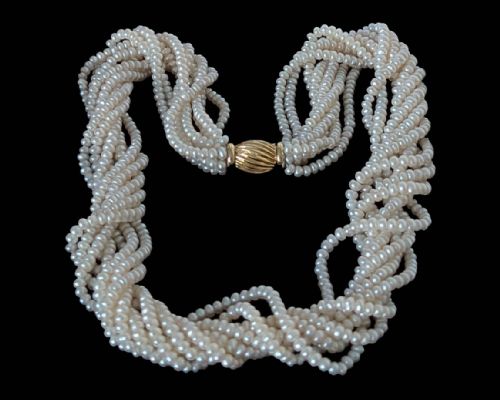
The inventory spans the Victorian and Edwardian eras, through the Art Nouveau and Art Deco periods, up to the mid-century 1950s and 1960s. Earlier examples showcase intricate gold wirework and natural pearls, while later decades introduce multi-strand freshwater pearl configurations.
Each period brings distinct stylistic elements, from romantic floral clusters in the late nineteenth century to geometric platinum settings in the early twentieth century.
How do I care for pearl jewellery?
Seed pearls require gentle handling because the tiny pearls and their delicate mountings can be sensitive to moisture, cosmetics, and harsh chemicals. Storing them flat and away from harder metals prevents abrasion and tension on the original silk threads or wire.
Cleaning should be limited to a soft, dry cloth to remove surface oils without disturbing the microscopic settings or adhesive elements.
What materials accompany the pearls?
Gold in 9ct and 15ct purities forms the primary structural metal, alongside silver, platinum, and 18ct yellow gold in select pieces. Coloured gemstones such as amethyst, peridot, turquoise, garnet, and blue topaz frequently accent the pearl arrangements.
Diamonds, paste stones, and enamel work also appear to highlight central motifs within pendants and clasps.
How can I tell an Edwardian piece apart?
Edwardian necklaces often combine platinum-topped gold with delicate openwork, millegrain borders, and garland or festoon motifs. The use of natural saltwater pearls alongside bright green peridots or soft pink tourmalines is typical of this decade.
Symmetrical floral patterns and lighter, airier metal frames distinguish these items from the heavier, more solid constructions of the Victorian era.