

Vintage Seating Furniture
Vintage seating furniture brings character to a room through centuries of timber work, sturdy iron frames and traditional upholstery.
Vintage Seating Furniture
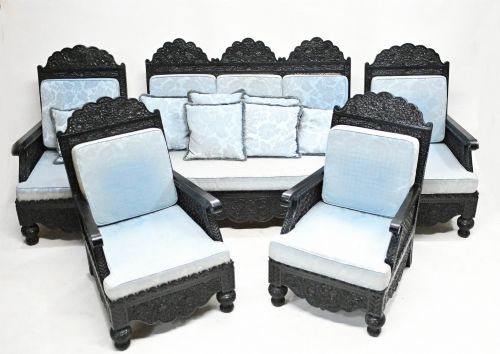
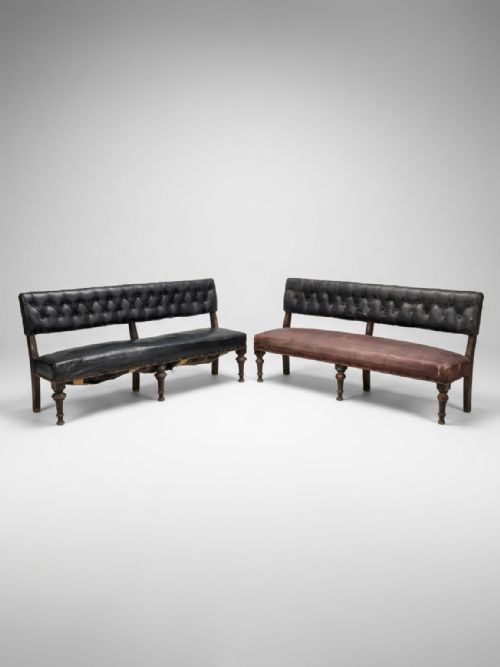
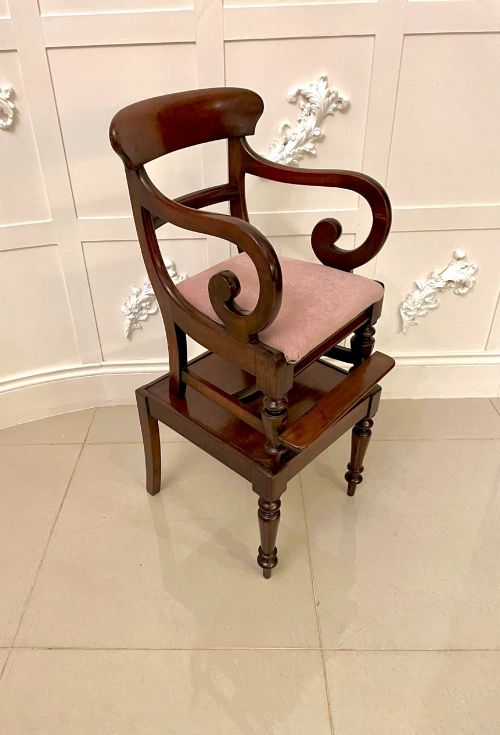
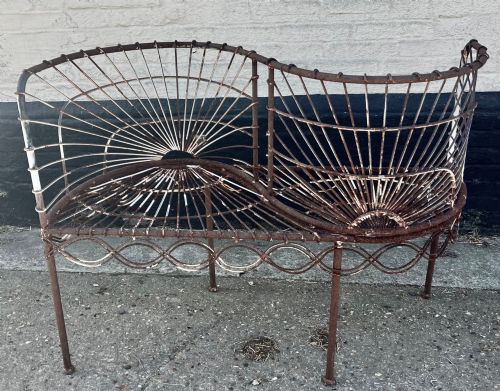
Vintage seating furniture spans diverse domestic and outdoor forms, from dining chairs and armchairs to benches, settles, pews, stools and salon suites. Buyers seeking these items encounter pieces originating from the eighteenth, nineteenth and twentieth centuries.
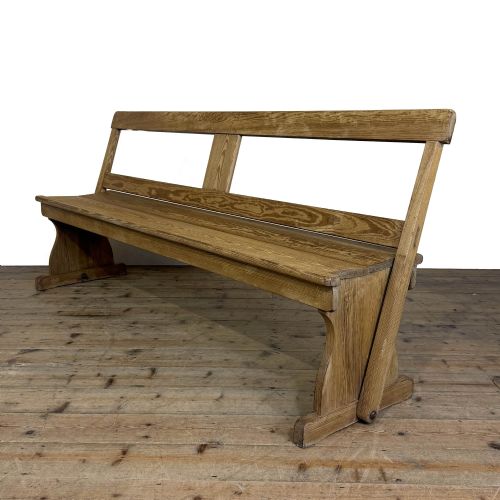
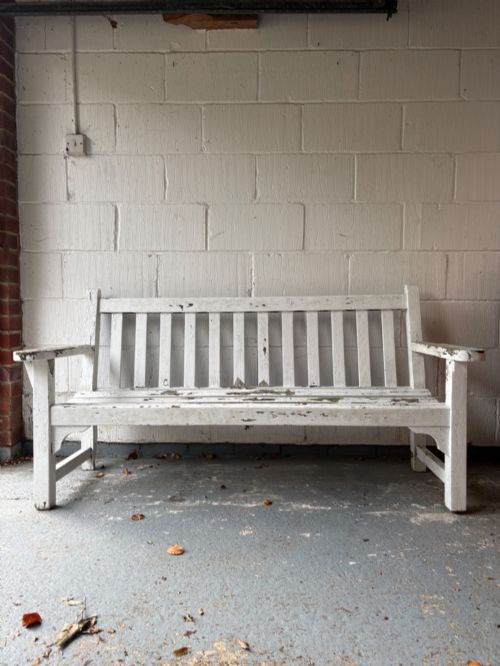
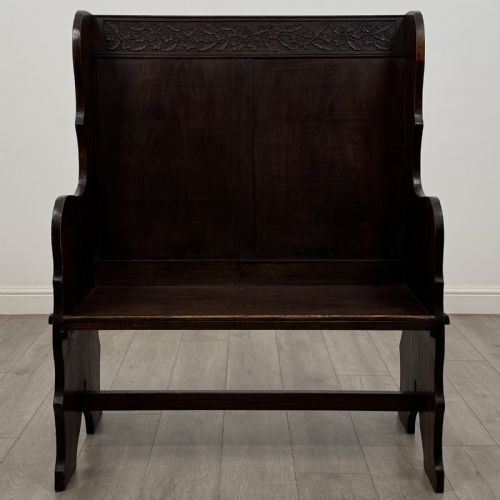
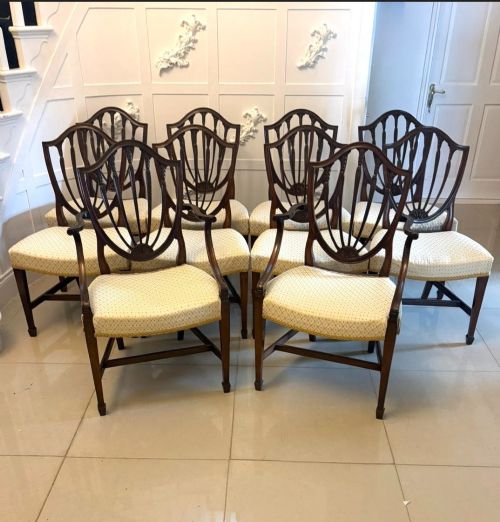
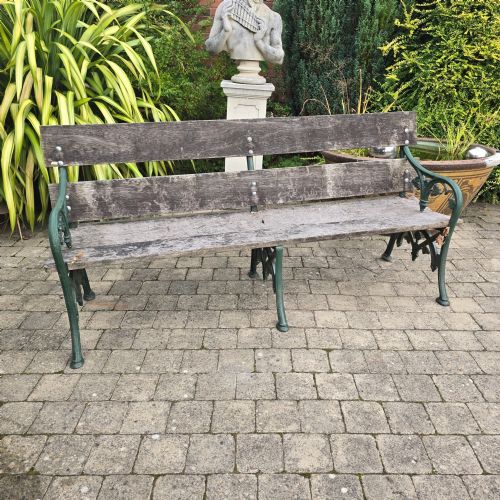
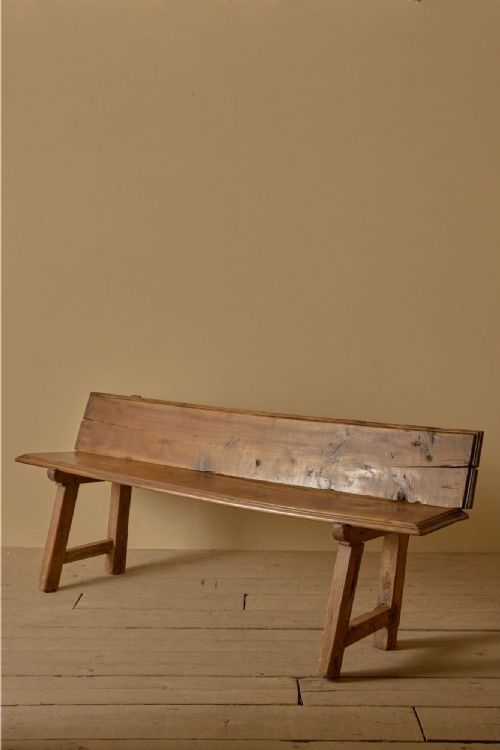
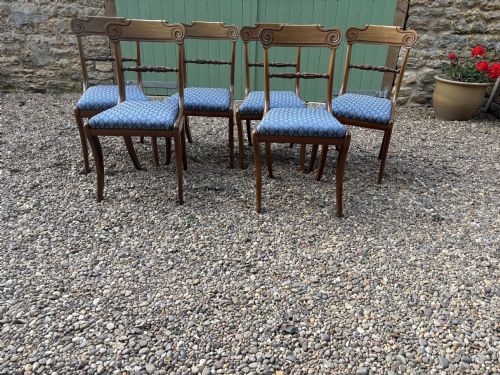
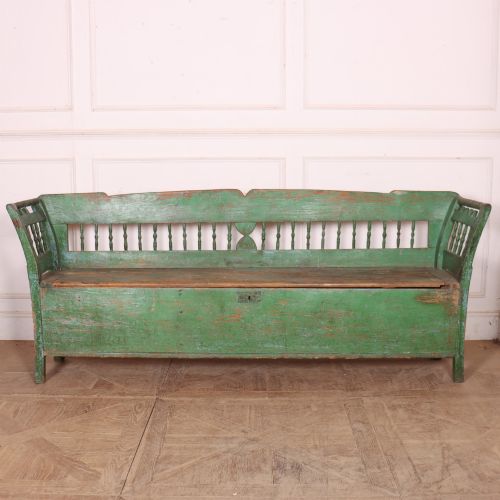
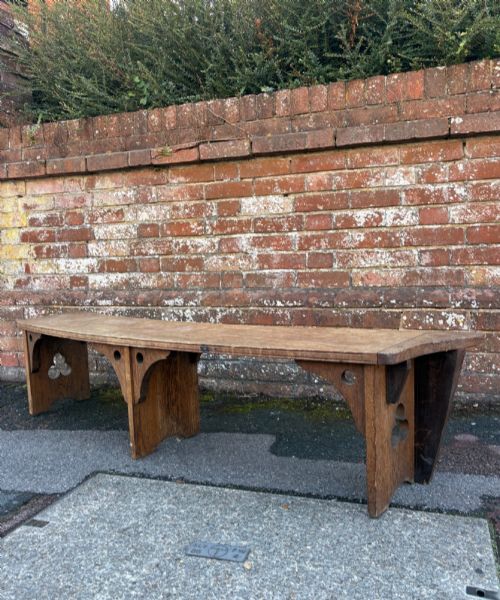
The selection frequently includes nineteenth-century pine church pews, oak hall benches, cast iron garden seats and sets of dining chairs from the Regency and Edwardian eras. Regional variations such as Austrian farmhouse benches, Spanish hall benches and Scottish armchairs also appear across the selection.
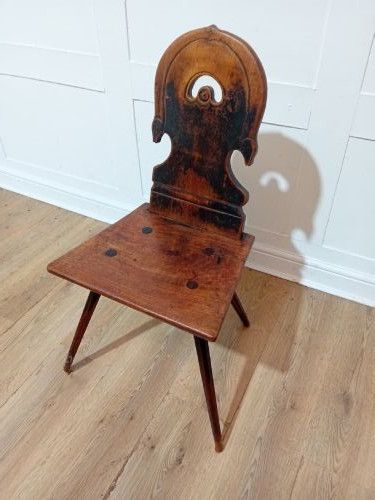
Seating spans formal parlour items and utilitarian kitchen chairs, incorporating Windsor lathbacks, rocking settles and occasional chairs by notable makers. Buyers select these pieces to anchor a room with functional period history.
Materials and construction
Makers utilised solid hardwoods like oak, mahogany, walnut, rosewood, laburnum, yew and elm, alongside utility timbers such as pine, sycamore and ash. Cast iron and brass formed structural and decorative elements for garden benches and Regency dining chairs.
Joinery methods relied on traditional pegging, mortise and tenon joints, and turned spindles for stick-back and Windsor chairs. Carved ornamentation, trefoil supports and brass inlay enriched pieces from Gothic Revival and Regency workshops.
Vintage Seating Furniture Retail Price Guide 2026
Typical asking prices for vintage seating furniture among the pieces listed under this phrase on Sellingantiques today, from the lower quarter to the upper quarter. They describe what is for sale here now, not the wider market.
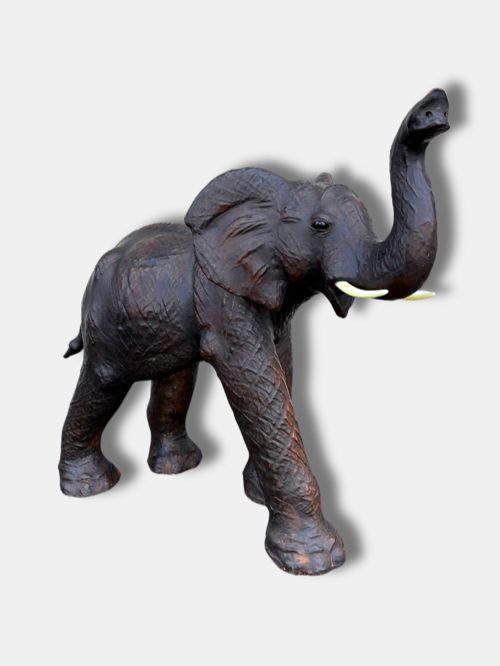
An elephant bench seat proves that Victorian makers occasionally let an entire pachyderm into the upholstery department.
Standards of craftsmanship
Quality rests upon the selection of timber and the integrity of the original construction, distinguishing robust solid-wood frames from patched or heavily restored alternatives. Pieces retaining genuine patination, original brass inlays or maker labels demonstrate superior provenance.
The crispness of hand-carved details, such as Gothic trefoils or cast iron blackberry and leaf motifs, separates standard production from finer workshop output. Structural balance in chairs and benches determines daily utility and long-term endurance.
Maurice Adams·Whytock and Reid·Falkirk Carron Foundry·Morris and Co
The Vintage Seating Furniture Glossary
- Settle
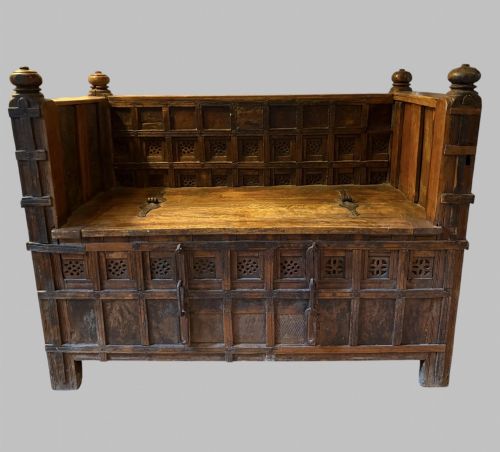
- A wooden bench with a high back, solid arms and often a storage box beneath the seat. It provided shelter from draughts in older domestic interiors.
- Windsor
- A chair constructed with a solid wooden seat into which the legs, back sticks and bow are separately bored and wedged. Country variations include lathback and stick-back designs.
- Monks bench
- A convertible piece of furniture functioning as a bench with a hinged back that folds down over the arms to form a table. It served multipurpose roles in smaller historic homes.
- Gothic Revival
- A nineteenth-century style drawing inspiration from medieval architecture, characterised by pointed arches, trefoil carvings and heavy oak construction.
Vintage Seating Furniture: Frequently Asked Questions
How do I identify a period bench?
Examine the timber species, joinery methods and tool marks visible on the underside or back of the bench. Hand-cut pegs and adzed surfaces typically indicate earlier periods.
Compare the proportions and decorative motifs, such as Gothic trefoils or Victorian cast iron patterns, against known regional styles.
Can I use vintage dining chairs daily?
Most solid hardwood dining chairs from the Regency, Victorian and Edwardian eras were built for robust daily use. Checking the stability of the joints ensures they withstand regular seating.
Proper maintenance of the timber and upholstery preserves their structural integrity over time.
What is a Windsor chair?
A Windsor chair is a distinct seating form built around a thick wooden seat slab. The legs and back spindles fit directly into drilled holes rather than a separate frame.
Regional variations include stick-backs, lathbacks and armchairs incorporating yew or elm.
How should I care for antique wood seating?
Keep wooden chairs and benches away from direct heat sources and rapid temperature changes to prevent the timber from splitting. Regular application of suitable wax maintains the finish.
Avoid excessive moisture during cleaning to protect the historic surface patination.