

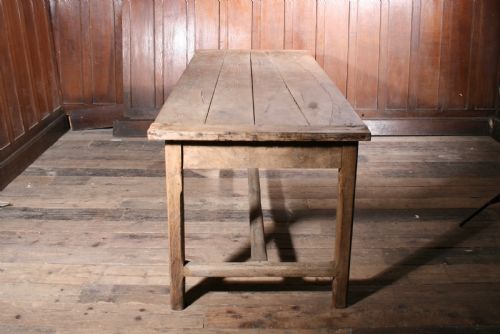
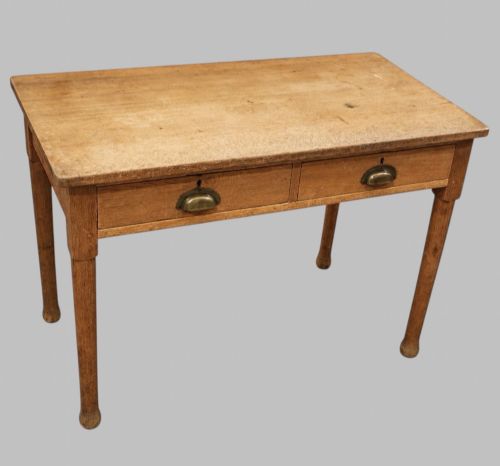
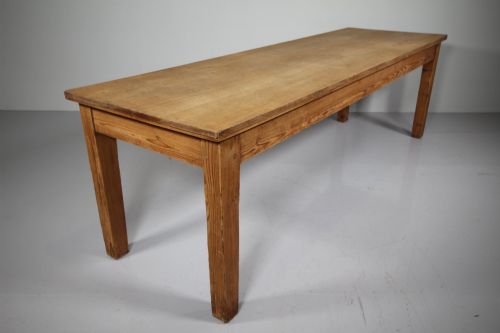
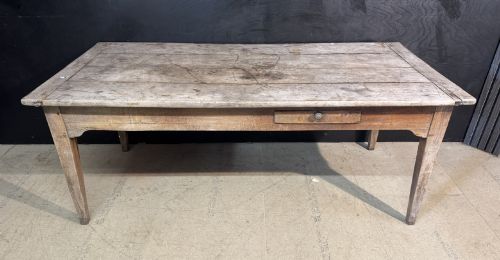
Vintage Scrubbed Table
When you want a vintage scrubbed table, you are looking for a hardworking surface shaped by decades of domestic life.
Vintage Scrubbed Table
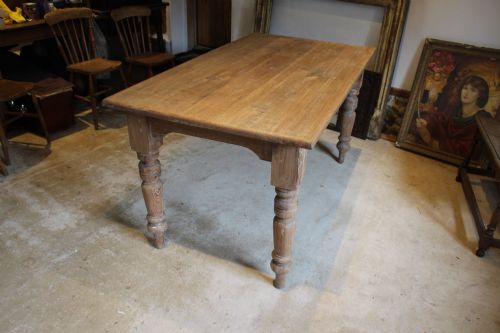
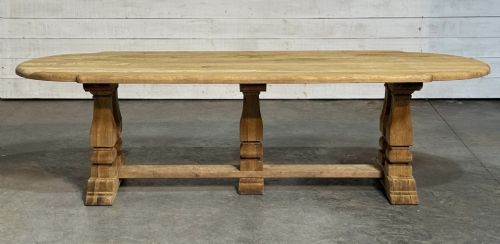
A vintage scrubbed table brings the honest utility of past domestic workrooms into contemporary dining spaces and kitchens. The pieces found here span the nineteenth and early twentieth centuries, drawing on Georgian, Victorian and Edwardian periods as well as continental traditions.
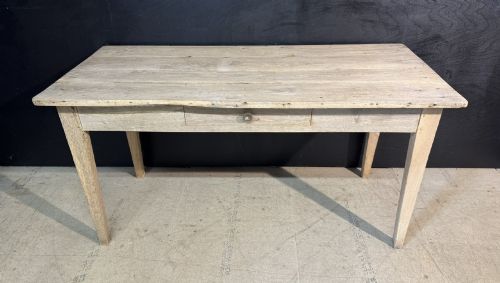
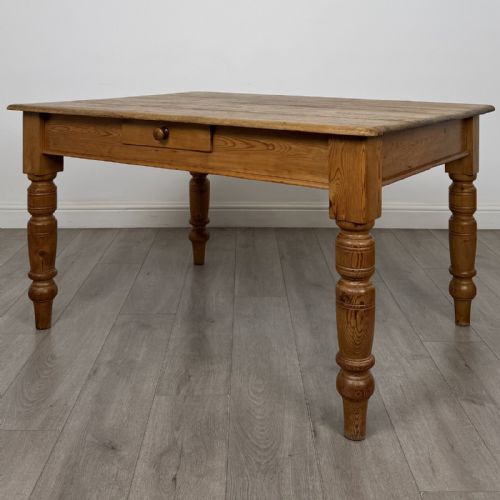
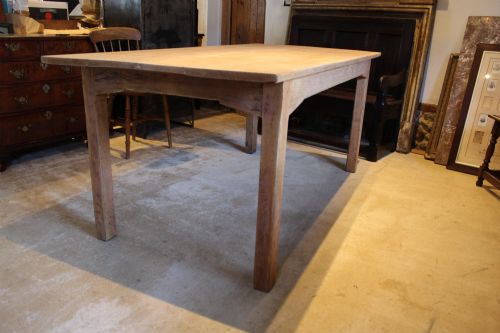
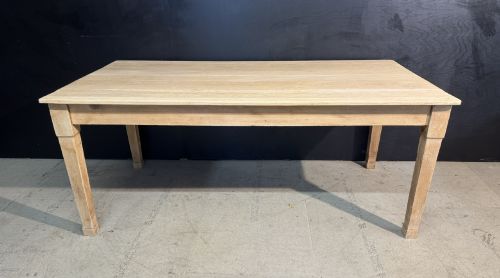
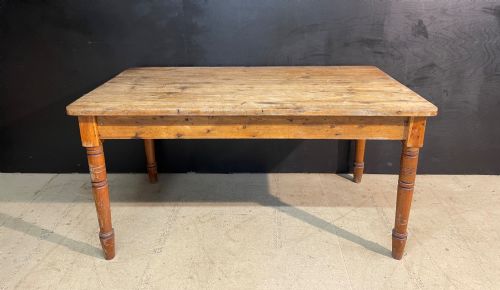
Most examples are utilitarian kitchen, dairy or farmhouse tables rather than formal parlour furniture. You will frequently encounter pine and oak surfaces that have been worn down through hard daily use and frequent washing.
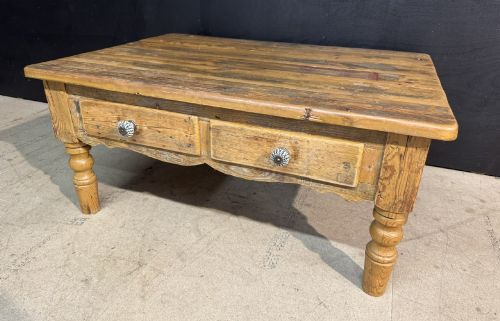
Forms range from large family dining tables and compact coffee tables to specialist pieces such as potting tables and tavern tables. Their origins stretch across English, French, Swedish and Danish workshops.
How they were made
Carpenters built these tables from sturdy domestic timbers including pine, oak, elm, sycamore and fruitwood, selecting woods that could withstand constant moisture and heavy loads. Joinery was straightforward and robust, relying on pegged joints and solid framing to support thick timber tops.
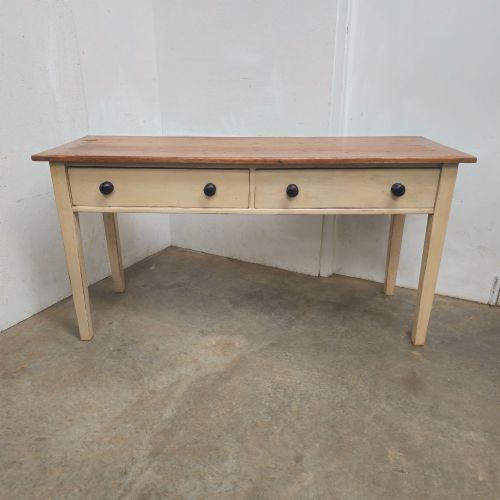
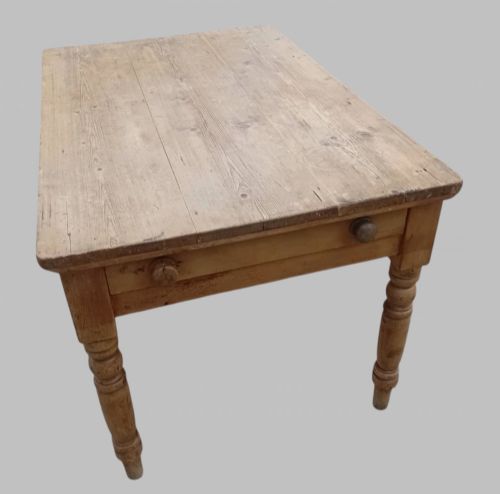
Surfaces were repeatedly scrubbed with water and scouring agents over generations, which removed the softer grain of the wood and left a pale, textured finish. Bases and legs frequently retained remnants of original paintwork, such as traditional Falu red or protective dark coats, contrasting with the bare wood above.
Vintage Scrubbed Table Retail Price Guide 2026
Typical asking prices for vintage scrubbed table among the pieces listed under this phrase on Sellingantiques today, from the lower quarter to the upper quarter. They describe what is for sale here now, not the wider market.
Materials recorded across the selection include pine, oak, elm, sycamore, fruitwood and traditional paint finishes.
What varies in quality
The distinction between ordinary and exceptional pieces lies in the integrity of the timber and the honesty of the wear. Tables with thick, well-proportioned scrubbed tops and substantial legs demonstrate a sturdiness that lighter utility pieces lack.
Proportion and original construction details also separate the tiers. A piece with well-executed drawer construction, retained original paint layers on the base, and balanced dimensions holds greater character than a heavily altered or clumsily repaired example.
The Vintage Scrubbed Table Glossary
- Scrub top
- A wooden table top that has been washed and scoured bare of finishes over years of use. This process exposes the hard grain of the pine or oak.
- Dairy table
- A functional work table used in milk processing and cheese making. These pieces often feature scrubbed tops designed for easy sanitation.
- Refectory table
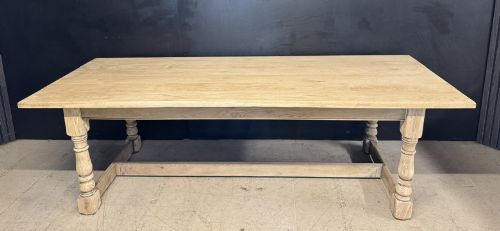
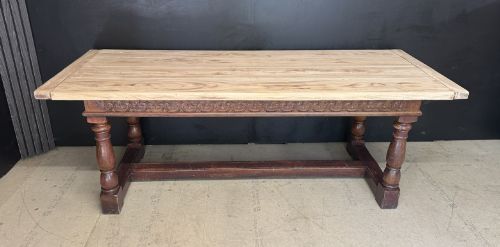
- A long, narrow dining table traditionally used for communal meals. Examples from the early twentieth century often combine sturdy oak framing with a generous length.
- Falu paint
- A traditional deep red paint originating from copper mines in Sweden. It was frequently used to protect rural wooden furniture.
- Potting table
- A low-tier utilitarian table designed for gardening tasks. They often incorporate lower shelves for storing pots and tools.
Vintage Scrubbed Table: Frequently Asked Questions
What is a scrubbed table?
A scrubbed table is a historic utility table whose wooden top has been washed bare over decades of daily use. This process leaves a pale, textured surface that shows the natural grain of the timber.
These pieces were originally work surfaces in kitchens, dairies, and farmhouses. Today they serve as practical dining tables and central kitchen islands.
How do I clean a scrubbed pine table?
You can clean a scrubbed pine table using warm water, mild soap, and a soft brush to follow the grain of the wood. Avoid harsh chemical cleaners that can strip the natural character from the aged timber.
Allow the wood to dry naturally after washing. Applying a light coat of clear wax can help protect the surface from fresh spills while maintaining the matte appearance.
Are these tables suitable for daily dining?
These tables are exceptionally well-suited for daily dining because they were built for heavy domestic labour. Their solid construction in pine, oak, and fruitwood handles the demands of family meals with ease.
Any existing marks or knocks on the surface simply add to their character. You do not need to worry about adding new dabs of history to a surface already shaped by past use.
How can I tell the period of an old table?
You can estimate the period by looking at the construction methods, nail types, and timber selection used in the frame. Nineteenth-century pieces often feature hand-planed boards and simpler drawer dovetails compared to later Victorian and Edwardian examples.
Stylistic cues such as square section supports, turned legs, or the presence of multiple layers of old paint also point towards specific manufacturing eras.