






Vintage Scrimshaw
Vintage scrimshaw pieces are carved organic objects that offer a direct tactile link to maritime history and traditional craftsmanship.
Vintage Scrimshaw
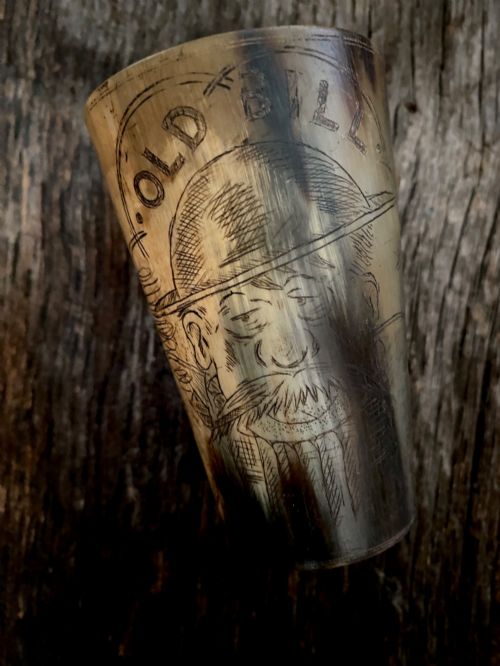
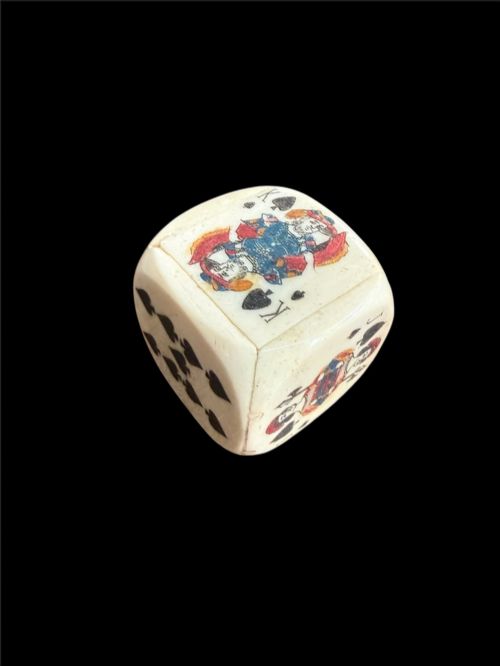
When you search for vintage scrimshaw, you encounter a diverse array of hand-carved objects spanning multiple centuries and cultural traditions. These pieces range from functional items like powder flasks and walking sticks to intricate gaming sets and decorative sculptures.
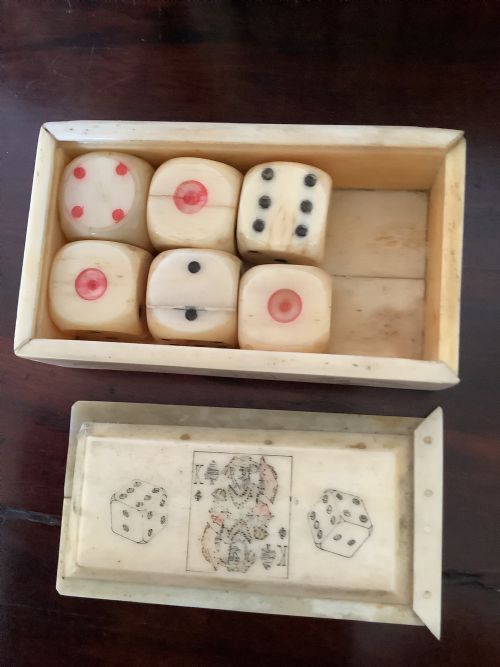
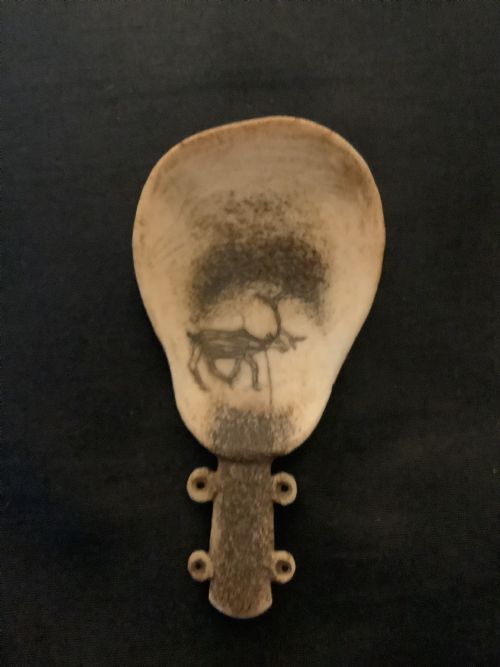
The selections on this page are dominated by nineteenth-century examples, alongside eighteenth-century works and a small number of Edwardian and early twentieth-century items. Common forms include bone boxes, dice shakers, spoons, and whalebone statues.
Origins represented in these listings cross several distinct stylistic boundaries, including English folk art, Inuit tribal art, and Napoleonic prisoner-of-war work. Each piece carries the distinct physical characteristics of its maker's era and immediate environment.
How they were made
The makers of these items relied on readily available marine and terrestrial materials, utilising bone, whalebone, horn, antler, and shark vertebrae alongside wood and metal. These natural substrates were shaped using basic hand tools before receiving detailed surface decoration.
Dark ink was frequently rubbed into incised lines to create high-contrast motifs, maritime scenes, and geometric patterns that stand out sharply against the pale background of the bone or ivory. Many objects also incorporate secondary elements of silver-plated metal, brass, or wood to form handles, hinges, or reinforcement.
Vintage Scrimshaw Retail Price Guide 2026
Typical asking prices for vintage scrimshaw among the pieces listed under this phrase on Sellingantiques today, from the lower quarter to the upper quarter. They describe what is for sale here now, not the wider market.
Object forms represented across the inventory include powder flasks, walking sticks, gaming boxes, spoons, statues, and dice shakers.
What varies in quality
The distinction between ordinary and superior pieces rests upon the fineness of the carving and the complexity of the design. Sharply defined incised lines and balanced proportions indicate a practiced hand, whereas hesitant cuts suggest less formal execution.
Completeness and originality also determine the character of a piece, particularly in utilitarian objects and gaming sets that retain their original components such as dice or fitted boxes. The integration of secondary materials like horn handles or metal mounts adds structural and visual refinement.
The Vintage Scrimshaw Glossary
- Powder flask
- A container used to hold gunpowder, typically fashioned from horn or bone and fitted with a metal spout. These items were essential accessories for firearms before the widespread adoption of self-contained cartridges.
- Prisoner of war work
- Decorative and functional objects carved by detained soldiers and sailors, most notably during the Napoleonic Wars. Artisans utilised simple materials like beef bone to create intricate boxes, domino sets, and models.
- Inuit tribal art
- Cultural objects and sculptures created by the indigenous peoples of the Arctic, often utilising whalebone and antler. These works frequently depict local fauna, figures, and spiritual motifs.
- Dice shaker
- A cylindrical container used to agitate and cast dice during games of chance. They are frequently turned from bone or wood and embellished with incised patterns.
Vintage Scrimshaw: Frequently Asked Questions
What is vintage scrimshaw made from?
These pieces are constructed primarily from organic materials such as whalebone, bone, horn, antler, and shark vertebrae. Artisans also incorporated supplementary elements including wood, metal, and ink.
The choice of material often reflects the practical resources available to sailors, indigenous carvers, or prisoners of war during the creation period.
How do I identify eighteenth century pieces?
Eighteenth century items typically exhibit primitive folk art characteristics, heavier wear patterns, and simpler tooling methods. Forms like powder horns from this era show distinct patination acquired through age and handling.
Material choices during this period often leaned heavily toward cattle horn and dense long bone, styled for practical utility or basic decoration.
What are prisoner of war pieces?
Prisoner of war pieces are intricate items carved by captive servicemen, particularly during the Napoleonic conflicts. They utilised scrap materials like beef bone to pass the time and produce items for trade.
Common survivals from this category include domino sets, gaming boxes, and small decorative containers featuring precise geometric piercing or incised decoration.
How were walking sticks made?
Walking sticks were constructed using sections of whalebone or stacked shark vertebrae threaded onto a central metal rod or cord. Handles were frequently fashioned from contrasting horn or carved bone.
These canes served as both practical walking aids and showcases for maritime carving skills during long sea voyages.
How should I care for bone items?
Organic materials like bone and whalebone require stable environmental conditions away from direct sunlight and extreme humidity fluctuations. Excessive dryness can cause old bone to split or warp.
Keep the surfaces clean using a soft, dry cloth and avoid applying modern polishes, oils, or liquid cleaners that might penetrate porous historical material.