




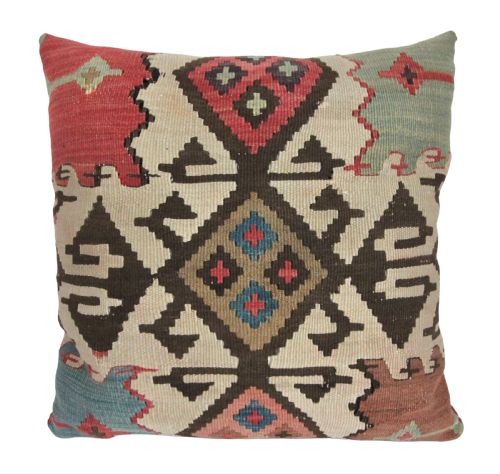
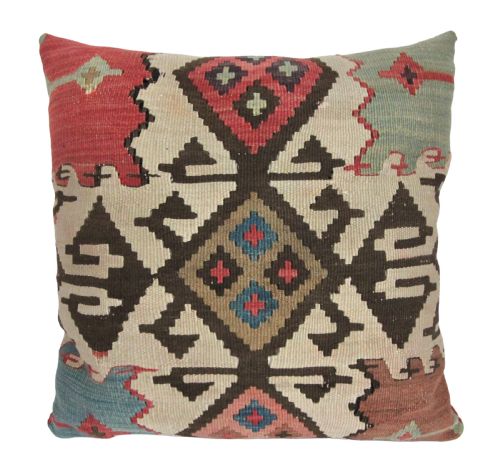
Vintage Scatter Rug
These vintage scatter rug examples bring tactile warmth and rich colour to compact spaces, offering genuine tribal and nomadic artistry for your floors.
Vintage Scatter Rug
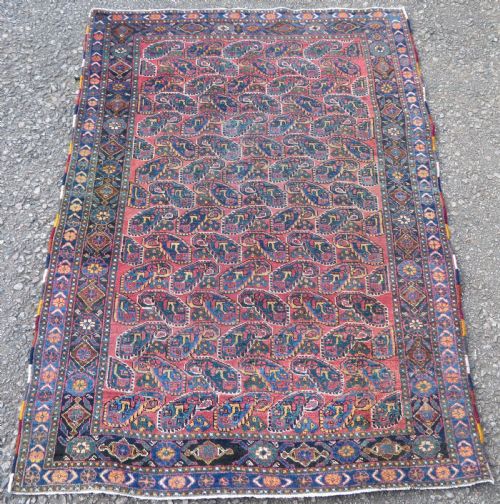
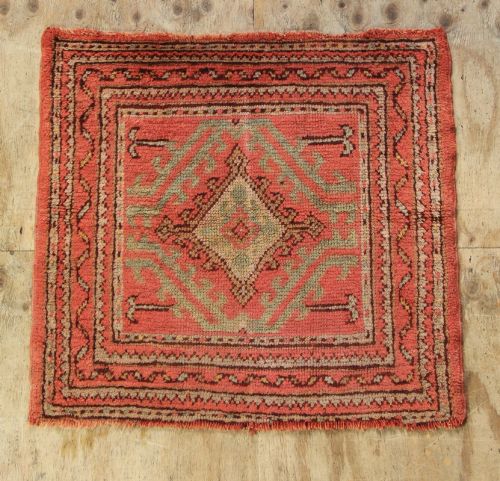
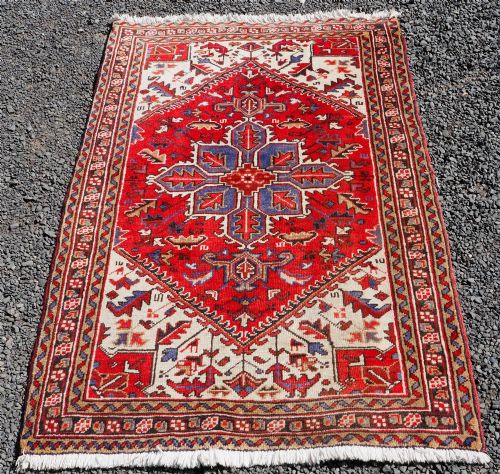
A vintage scatter rug search introduces you to smaller floor coverings and cushions originating from tribal and nomadic weaving traditions. The selections span the nineteenth and early twentieth centuries, featuring distinct regional expressions from Anatolia and Persia.
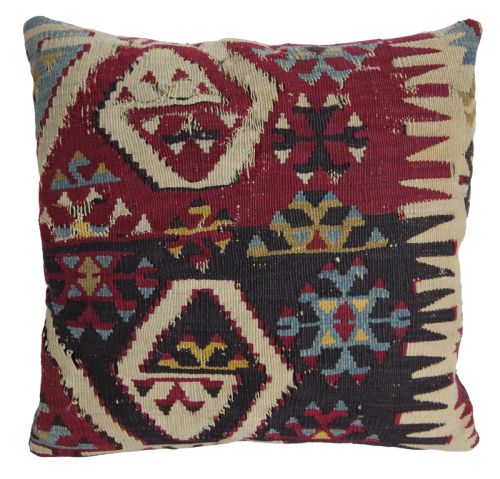
You will encounter various formats on this page, ranging from mats and small area rugs to converted kilim cushions and bag faces. These pieces were originally woven for daily domestic utility by nomadic groups.
Materials and construction methods
The physical construction relies fundamentally on wool and cotton fibres, utilised for pile and flatweave surfaces alike. Weavers employed hand-woven techniques to create durable textiles intended for rigorous nomadic life.
Flatwoven kilims and pile rugs demonstrate traditional hand-knotting and flatweaving methods passed down through generations. Natural materials provide the structural integrity and characteristic texture observed across these pieces.
The listings span periods from the mid-nineteenth century through the early twentieth century, focusing primarily on wool and cotton materials.
Distinctions in quality
Quality rests in the precision of the weave, the clarity of the tribal motifs, and the depth of the wool. Finer knots and tighter structures indicate greater skill and time invested by the original weaver.
Condition and structural preservation also set examples apart. Intact edges, original dimensions, and minimal restoration separate exceptional survivals from heavily worn domestic items.
The Vintage Scatter Rug Glossary
- Kilim
- A flatwoven carpet or rug produced without a pile. These textiles are known for their sharp geometric patterns and versatile lightweight structure.
- Afshar
- A style originating from semi-nomadic tribes in southern Persia. It is characterised by bold geometric arrangements and rich earthy tones.
- Oushak
- A traditional Turkish carpet style renowned for softer colour palettes and larger-scale floral or geometric designs. These pieces often feature fine wool construction.
- Bag face
- The decorative front panel of a nomadic storage bag repurposed into a small textile or cushion. They display dense tribal iconography.
- Baluch
- A style associated with nomadic groups from the borderlands of Persia and Afghanistan. The weaving typically incorporates deep dark wools and geometric field patterns.
Vintage Scatter Rug: Frequently Asked Questions
Where should I place a vintage scatter rug?
These smaller formats suit entryways, beside beds, or as accent pieces in compact sitting rooms.
Their scale allows them to introduce texture without overwhelming the floor space.
How do I care for wool scatter rugs?
Gentle vacuuming without a rotating brush roll helps remove dust while protecting the delicate weave.
Professional specialist cleaning is recommended for addressing deeper soiling or spills.
Are cushion conversions still usable textiles?
Pieces converted into cushions utilise genuine antique fragments such as kilims and bag faces.
They preserve historic weaving techniques while functioning as comfortable soft furnishings.
How can I tell regional styles apart?
Regional identity appears through specific colour palettes, knotting densities, and recurring geometric motifs.
Anatolian pieces often display distinct village or tribal symbols compared to Persian counterparts.