



Vintage Saddle Horse
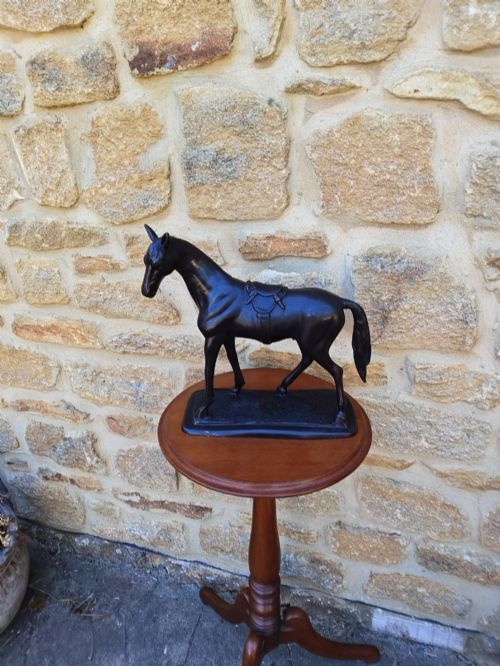
A vintage saddle horse brings equestrian heritage indoors, taking form as carved wooden rockers, woven tribal textiles, and cast metal doorstops.
Vintage Saddle Horse
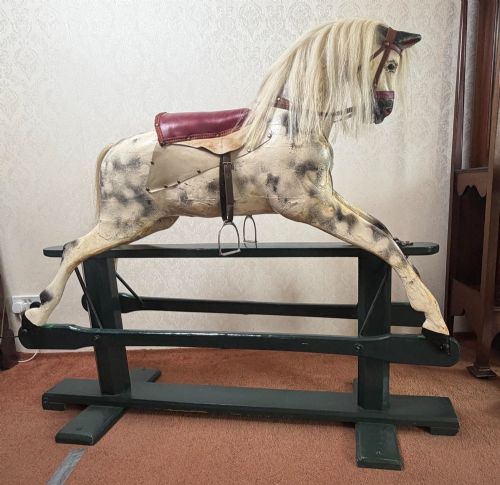
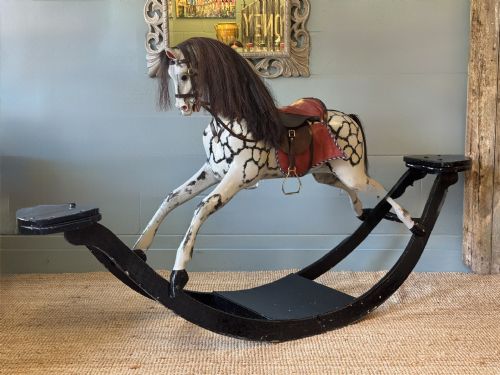
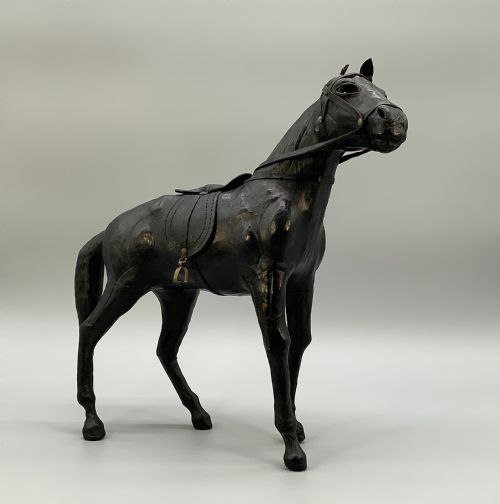
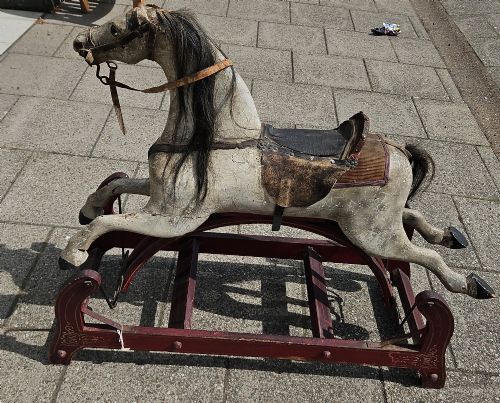
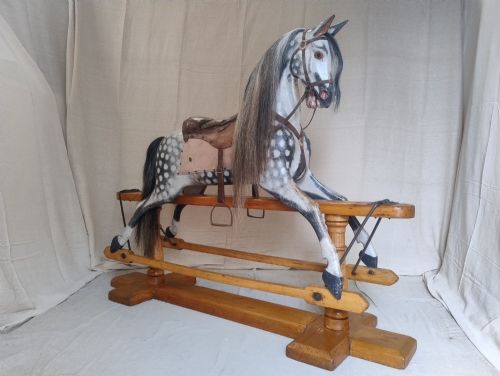
A vintage saddle horse encompasses several distinct forms, stretching from carved wooden playground figures to woven Central Asian saddle covers and heavy cast iron doorstops. Rocking horses dominate the wooden selections, constructed in substantial sizes upon original curved rockers or safety stands.
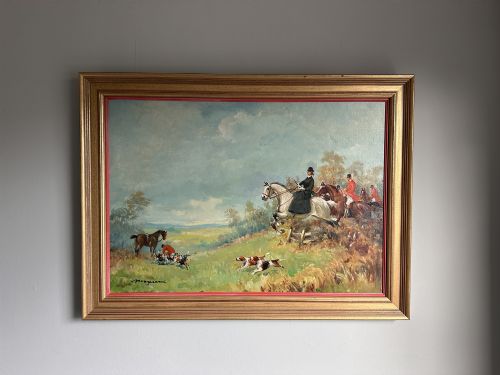
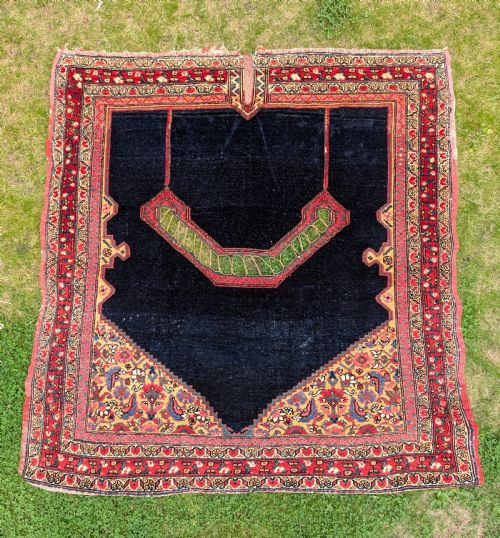
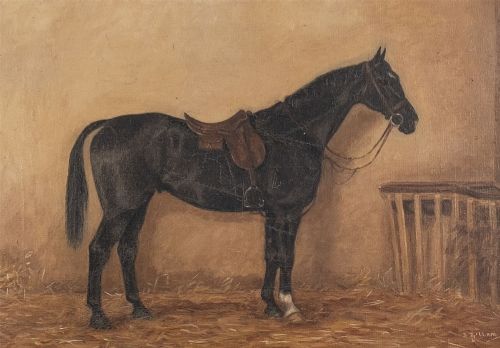
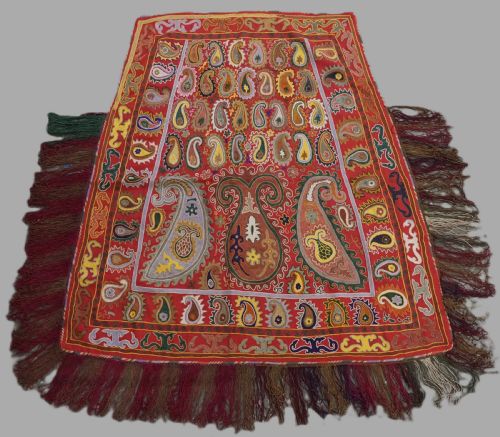
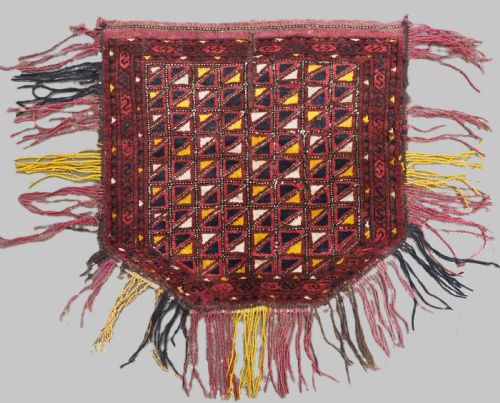
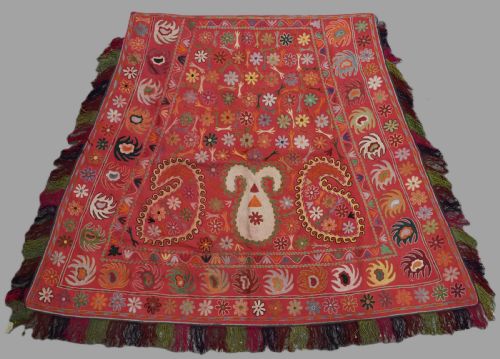
Textile examples arrive as embroidered ceremonial saddle covers and rugs produced by tribal makers in regions such as Uzbekistan and Anatolia. Smaller decorative objects include bronze sculptures, brass doorstops, oil paintings, and framed engravings depicting horses and equestrian scenes.
How they were made
Carved wooden rocking horses utilise pine and other solid timbers, shaped and painted by hand before receiving glass eyes, real horsehair manes, and stitched leather tack. Metal pieces rely on casting techniques in iron and bronze, creating sturdy figures designed for functional utility as doorstops.
Tribal textiles employ wool, cotton, and metal thread in intricate embroidery and weaving processes, often finished with original tassels. Flat art utilises traditional mediums, ranging from oil paints on canvas to detailed engravings and drawings on paper.
Vintage Saddle Horse Retail Price Guide 2026
Typical asking prices for vintage saddle horse among the pieces listed under this phrase on Sellingantiques today, from the lower quarter to the upper quarter. They describe what is for sale here now, not the wider market.
Listings span periods from the eighteenth century through the mid-twentieth century, incorporating wood, iron, bronze, and wool.
What varies in quality
The standard of a carved wooden rocking horse rests upon the depth of the initial carving, the survival of the original painted surface, and the retention of genuine tack such as leather saddles and horsehair. Maker attribution to established workshops elevates the standing of large wooden figures significantly.
For textile and paper goods, quality depends on the crispness of the weaving, the density and complexity of tribal embroidery, and the clarity of printed lines in period engravings. Complete sets of textile elements and intact original mounts preserve the integrity of the object.
G & J Lines of London·F.H.Ayres
The Vintage Saddle Horse Glossary
- Rocking horse
- A toy or decorative carving mounted on wooden rockers or a swinging frame. These pieces often feature leather saddles and real horsehair.
- Saddle cover
- A woven or embroidered textile placed over a saddle during ceremonies or daily travel. Tribal examples display intricate regional patterns and wool construction.
- Doorstop
- A heavy metal weight used to hold doors open. Pieces in this category are typically cast in iron or brass.
- Animalier
- A nineteenth-century artistic style focusing on the realistic depiction of animals. Sculptures in this manner capture horses in natural poses using bronze.
- Engraving
- A print made by cutting a design into a metal plate. These works record equestrian subjects across the nineteenth century.
Vintage Saddle Horse: Frequently Asked Questions
How do I identify an older rocking horse?
Examine the construction methods, timber types, and mounting systems used on the chassis. Older examples often display carved wooden bodies mounted on traditional curved rockers.
Look closely at the surface finish, tack materials, and wear patterns around the seat. Original leather and horsehair components provide strong clues to the period of manufacture.
Where were tribal saddle covers made?
These woven and embroidered pieces originate from Central Asian and Anatolian tribal groups. Communities across regions like Uzbekistan and Turkey produced them for ceremonial and practical use.
Makers utilised local wool, cotton, and traditional dyeing methods to create distinctive geometric and pictorial motifs.
How do I care for antique leather tack?
Keep leather components away from direct sunlight and excessive moisture to prevent drying and cracking. Gentle dusting with a dry cloth maintains the surface.
Avoid harsh chemical cleaners that might strip historical finishes from the leather and wood surfaces.
What materials are common in metal doorstops?
Cast iron and brass serve as the primary metals for heavy equestrian doorstops. These materials provided the necessary weight to hold doors securely in place.
Finishes range from plain metal to painted surfaces that depict horses and riders in traditional attire.