

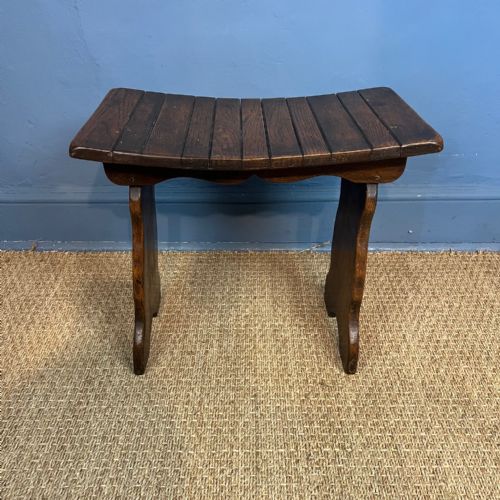
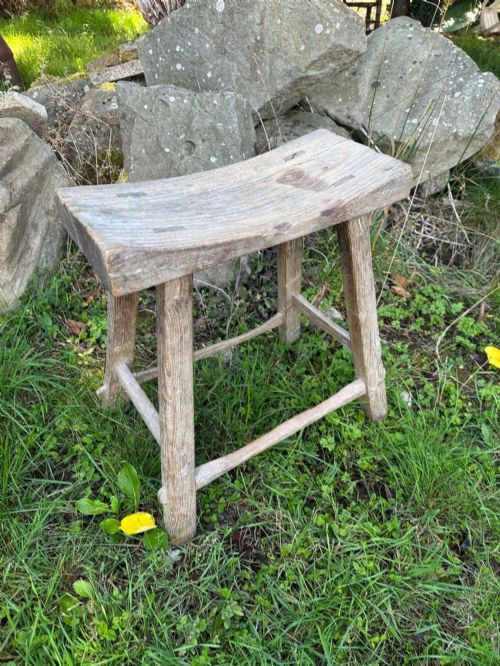
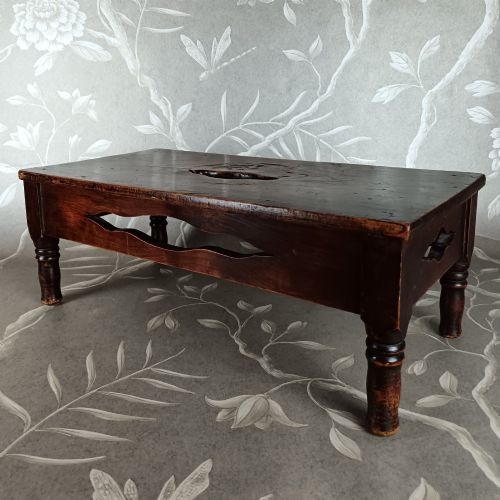
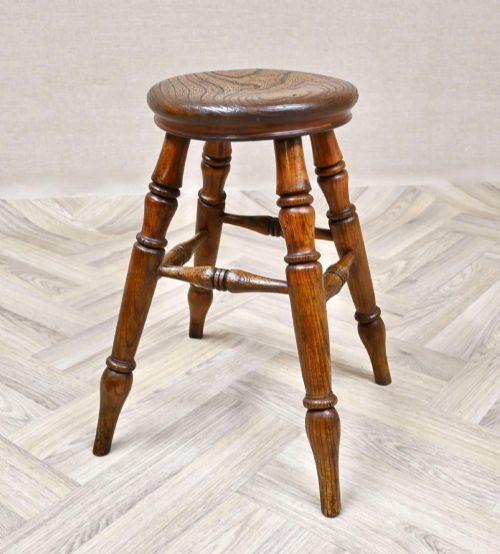


Vintage Rustic Low Stool
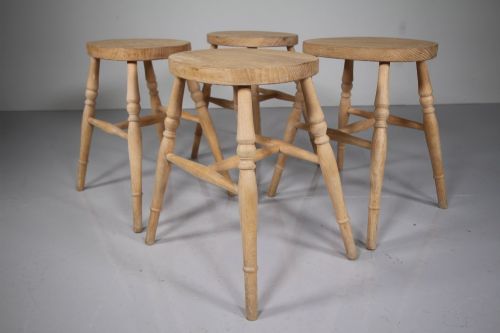
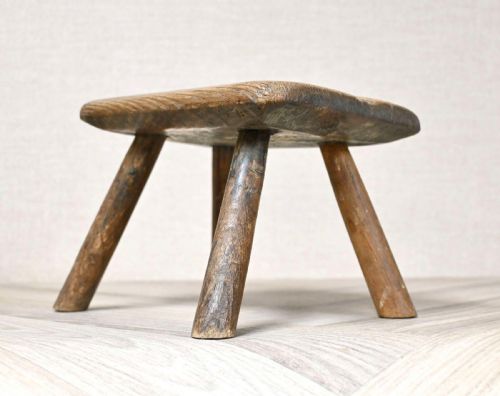
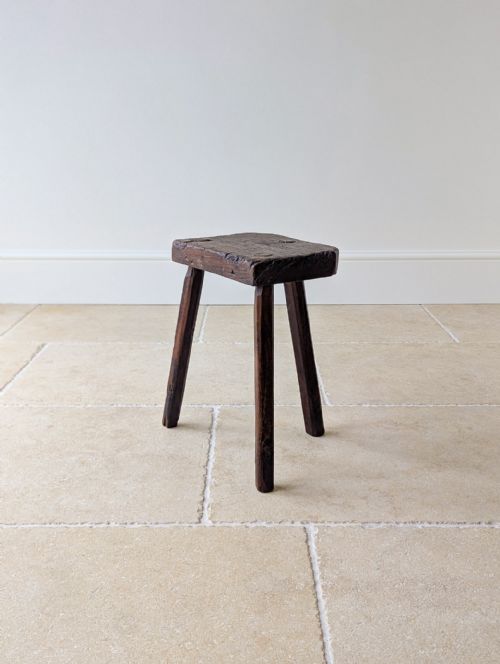
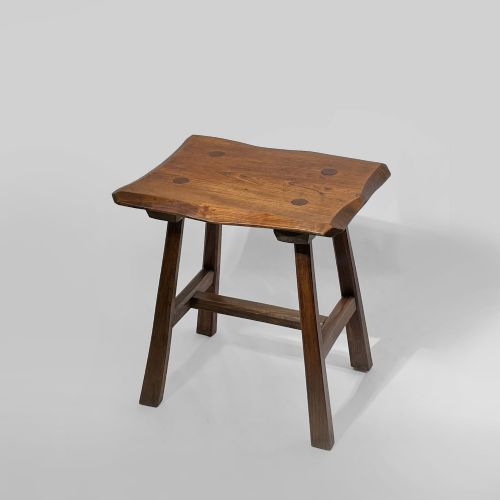
These vintage rustic low stool examples bring honest utility and unpretentious character into a room, forged from solid timber for daily service.
Vintage Rustic Low Stool
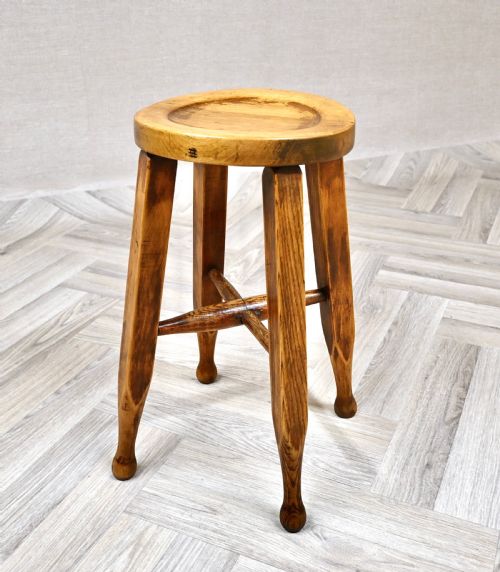
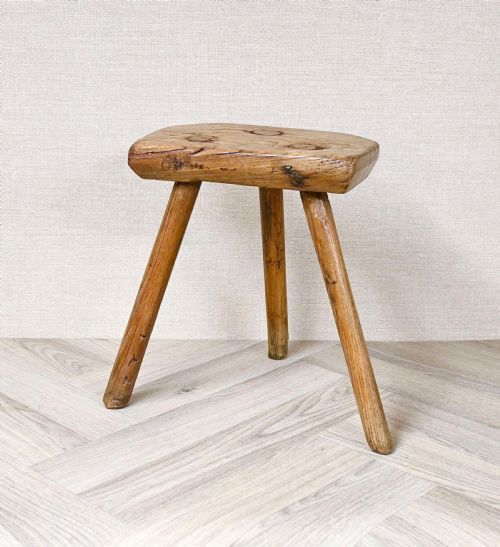
A vintage rustic low stool brings together simple domestic and workshop forms, from milking seats to tavern rests and hearth stools. You will regularly encounter pieces shaped from elm, oak, and pine, reflecting vernacular traditions across the eighteenth, nineteenth, and early twentieth centuries.
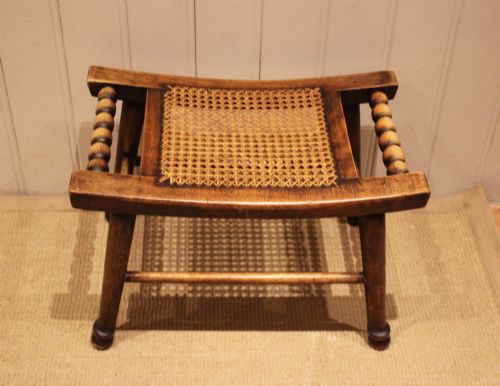
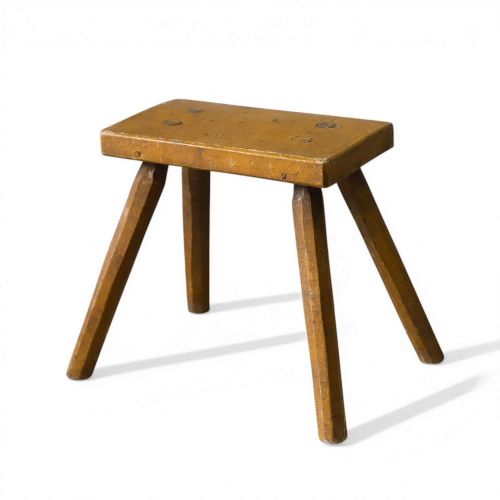
The selection here draws heavily on country house, farmhouse, and primitive styles, where utility dictated the form. These low pieces often double as small side tables, occasional tables, or simple footstools depending on their top construction.
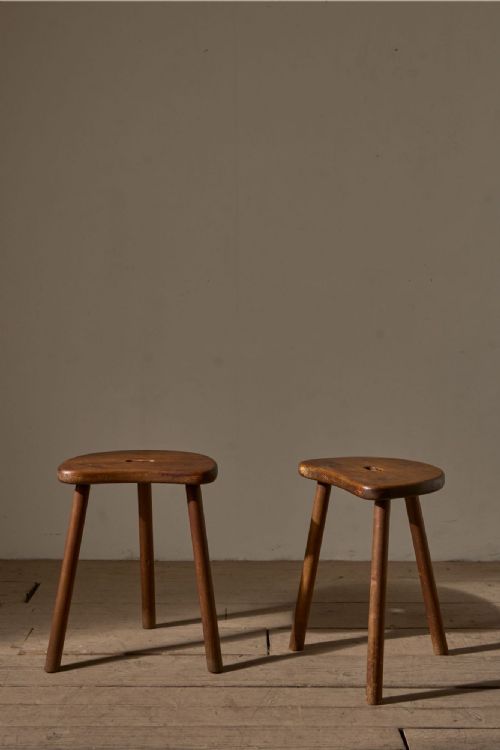
Makers shaped these items for practical tasks, resulting in three-legged milking designs, sturdy pub seats, and low hearth stools. The surviving items show the honest wear of daily domestic or workshop use over generations.
Assessing quality in country seating
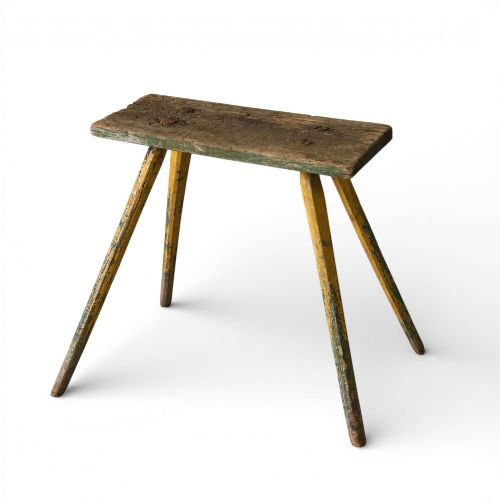
Quality rests in the integrity of the original construction and the honesty of the surface finish. Pieces retaining their original paint layers or untouched waxed patination stand apart from those stripped or heavily restored in later decades.
Proportion and stance define the better examples, where splayed legs provide stability without losing the neat, compact footprint characteristic of the form. Subtle details like ball feet, precise turning, and well-fitted joints elevate an everyday utility object into a compelling piece of country furniture.
Vintage Rustic Low Stool Retail Price Guide 2026
Typical asking prices for vintage rustic low stool among the pieces listed under this phrase on Sellingantiques today, from the lower quarter to the upper quarter. They describe what is for sale here now, not the wider market.
The inventory records a strong representation of Eastern European milking stools alongside British vernacular country pieces.
David Oakleafman Langstaff
The Vintage Rustic Low Stool Glossary
- Milking stool
- A small, usually three-legged seat designed for agricultural work, prized for its simple, honest geometry and splayed legs. These portable seats form a major part of early country furniture.
- Vernacular
- Furniture made by local craftsmen for everyday use, following traditional regional patterns rather than high-style metropolitan fashions. This approach defines much of the country seating found here.
- Hearth stool
- A low, wide seat placed near the fireplace for warmth and convenience. They frequently use heavy timbers like oak or elm to withstand proximity to the fire.
- Cleft timber
- Wood split along the natural grain rather than sawn, offering superior strength for legs and stretchers. Traditional makers relied on this technique to ensure structural durability.
- Original paint
- Pigment applied during the period of manufacture that has survived largely undisturbed. Finding authentic early paint finishes significantly enhances the character of a primitive piece.
Vintage Rustic Low Stool: Frequently Asked Questions
What were low stools originally used for?
These low seats served practical purposes in barns, dairies, taverns, and homes where a compact, movable perch was essential for daily labour.
Milkers used them for tending livestock, while pub patrons and domestic workers relied on them near hearths and work tables.
How do I date a rustic wooden stool?
Dating relies on observing tool marks, timber choice, construction joints, and the natural wear accumulated across the centuries. Eighteenth and nineteenth-century pieces often display hand-cleft underframes and pegged tenons rather than modern fixings.
Surface patination, such as oxidized oak or layers of historic paint, also helps establish the age of the piece.
Can these stools double as side tables?
Their flat tops and sturdy wooden construction make them well suited for use as small side tables or bedside supports.
Many historic examples share dimensions with occasional tables, allowing them to function flexibly in modern living spaces.
Why do some milking stools have three legs?
Three-legged designs remained popular because they ensure absolute stability on uneven flagstone floors, barn earth, and irregular cottage surfaces.
This practical arrangement prevents wobbling without requiring complex leveling of the underframe.