

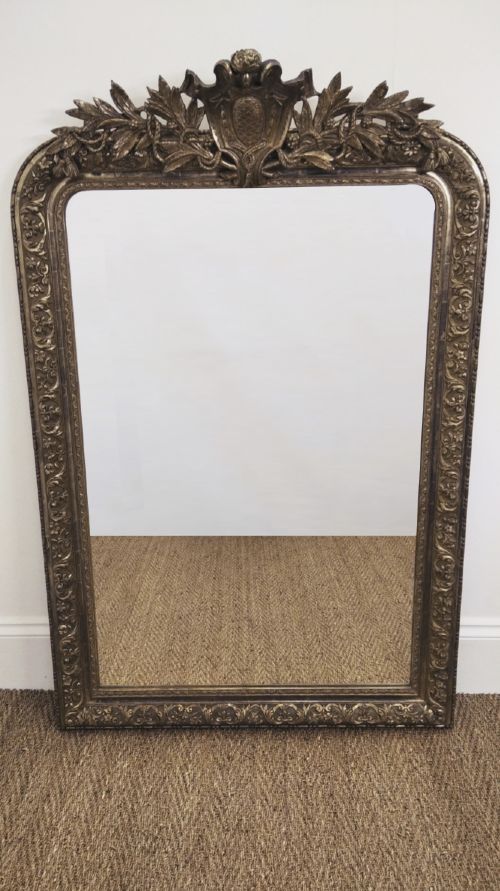
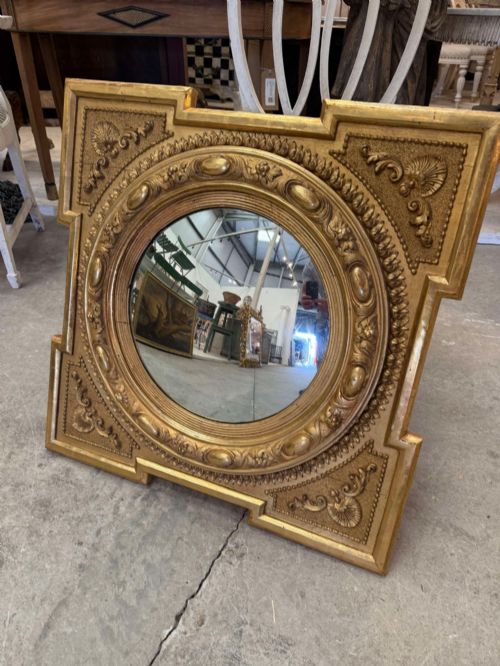
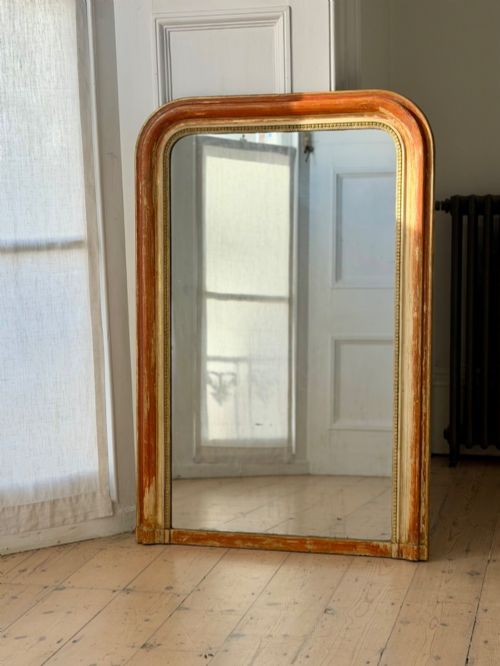
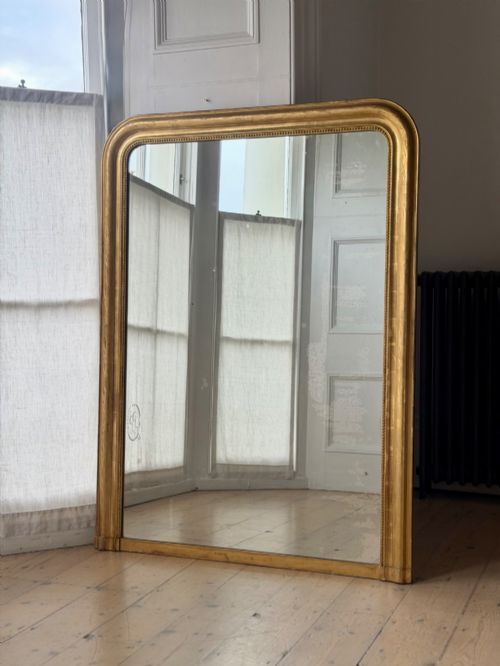
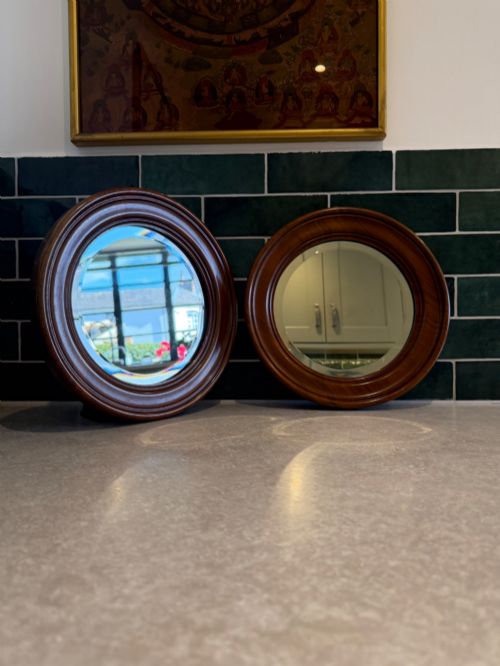
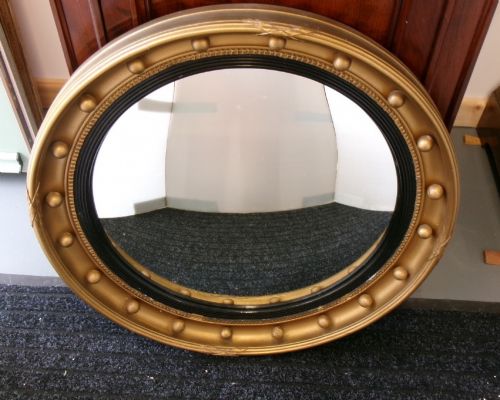
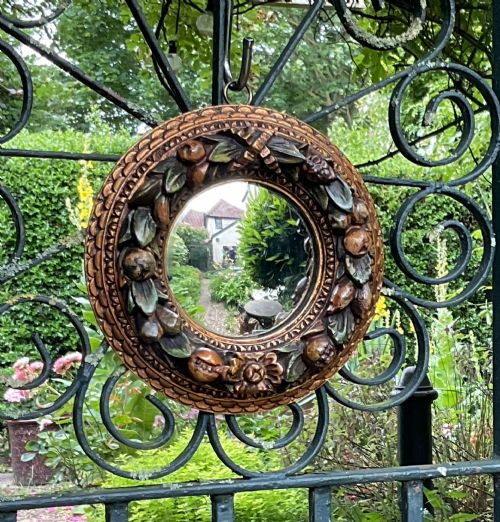
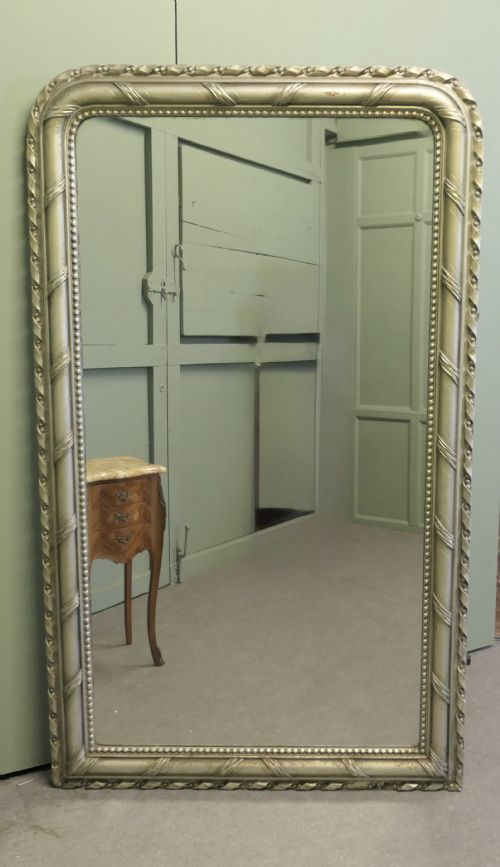


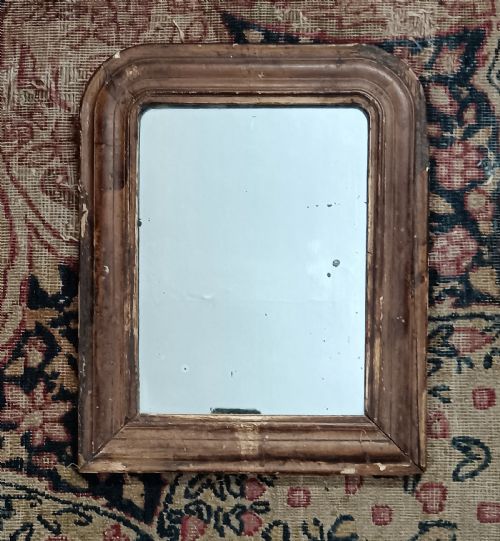


Vintage Round Wood Mirror
These vintage round wood mirror examples bring warmth and reflection to any room through timber frames shaped by past hands.
Vintage Round Wood Mirror
A vintage round wood mirror draws the eye with circular timber frames spanning periods from the nineteenth century into the early twentieth century.
You will most commonly encounter circular mahogany wall frames and giltwood designs carrying styles such as Victorian and Edwardian craftsmanship.
These pieces function primarily as wall mirrors, offering functional depth to hallways and living spaces while displaying rich wooden grains or gesso finishes.
Materials and construction
Frames rely on solid timbers like mahogany and walnut, shaped and joined to support heavy glass plates.
Giltwood and gesso applications provide decorative relief work, while brass fittings and mercury glass plates complete the construction.
Vintage Round Wood Mirror Retail Price Guide 2026
Typical asking prices for vintage round wood mirror among the pieces listed under this phrase on Sellingantiques today, from the lower quarter to the upper quarter. They describe what is for sale here now, not the wider market.
Judging quality and character
The distinction rests in the crispness of carved details and the depth of the timber grain visible through the finish.
Original mirror plates showing natural ageing, such as foxing, separate period examples from later replacements.
The Vintage Round Wood Mirror Glossary
- Mercury glass
- An early form of silvered glass created by pouring a liquid mercury amalgam between double-walled glass. It produces a mottled, atmospheric reflection.
- Foxing
- Small dark spots and patches that develop within the silvering of old mirror plates over time. This process results from chemical reactions between air and the backing.
- Gesso
- A plaster-like mixture applied to wood surfaces to create a smooth base for gilding or painting. Artisans mould this material into intricate decorative reliefs.
- Giltwood
- Timber carved and coated with a thin layer of gold leaf or metal powder. This technique adds a luminous, reflective quality to the frame.
- Convex mirror
- A round glass surface curved outward to provide a wide, distorted panoramic reflection of the interior. These pieces are often called sorcerer or porthole mirrors.
Vintage Round Wood Mirror: Frequently Asked Questions
How do I hang a heavy round mirror?
Secure the mirror directly into wall studs using appropriate fixings rated for the weight of the timber frame and glass.
Check the integrity of the original hanging wire or brackets on the back before mounting.
What causes dark spots on old mirrors?
Dark spots, known as foxing, occur when moisture seeps behind the glass and reacts with the silvering layer.
This natural oxidation process confirms the age of the mirror plate.
How should I clean my antique mirror?
Wipe the glass gently with a soft cloth and a mild, ammonia-free cleaning solution applied to the cloth rather than the glass.
Keep moisture away from the edges of the frame and the backing to protect the original silvering.
Are convex mirrors functional?
Convex mirrors provide a wide-angle view of a room rather than a direct personal reflection.
Historically, they allowed occupants to monitor activity across an entire space from a single vantage point.