






Vintage Rosewood Hall Table
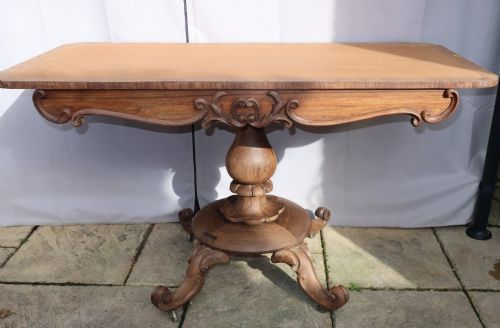
A vintage rosewood hall table brings rich timber figure and formal presence to an entrance, grounding the space with dark grain.
Vintage Rosewood Hall Table
When you search for a vintage rosewood hall table, you encounter a selection of narrow furniture forms designed for narrow spaces and entranceways. The listings span several centuries, with pieces originating from the eighteenth century through to the nineteenth century, including Georgian, Regency, and Victorian periods.
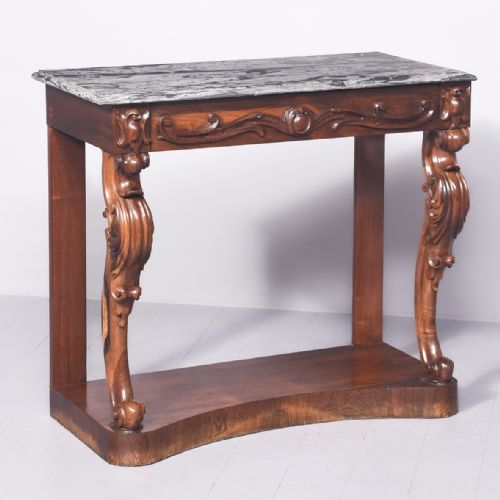
The objects take various functional forms rather than a single uniform shape, appearing as console tables, pier tables, side tables, and writing tables. Certain examples incorporate marble tops or display stylistic influences such as Anglo-Indian and Portuguese Baroque carving.
Makers and workshops represented in the selection include Thonet and Walker and Hall, alongside unassigned cabinet makers. Each piece utilises the dense tropical hardwood to achieve a formal appearance suitable for a reception room or hallway.
How they were made
Cabinet makers utilised dense rosewood timber as the primary structural and decorative material, frequently combined with secondary hardwoods like beech and teak. Surfaces often received elaborate treatment through detailed carving, precise inlay work, and contrasting ebonised wood details.
Specialist elements required different subsidiary materials, such as heavy marble slabs fitted to console tops, glass components, and delicate mother of pearl inlay. Metal fittings in brass appear alongside bentwood techniques used to curve the timber into specific structural forms.
Vintage Rosewood Hall Table Retail Price Guide 2026
Typical asking prices for vintage rosewood hall table among the pieces listed under this phrase on Sellingantiques today, from the lower quarter to the upper quarter. They describe what is for sale here now, not the wider market.
One piece doubles as a mantle clock, proving that historic makers enjoyed hiding timepieces inside unexpected wooden frames.
What varies in quality
The standard of a vintage rosewood hall table depends upon the crispness of the timber carving and the precision of any inlaid decoration. Pieces that retain their original marble tops or integrated brass elements display a higher degree of original craftsmanship than those with later replacements.
Construction methods also distinguish finer examples, particularly where complex forms like bentwood or heavily carved Anglo-Indian motifs demand advanced joinery. The depth and natural figure of the rosewood grain itself dictate the visual impact of the finished surface.
Walker and Hall·Thonet
The Vintage Rosewood Hall Table Glossary
- Console table
- A table designed to stand against a wall, frequently fixed with brackets or resting on front legs. These pieces suit narrow circulation spaces.
- Pier table
- A low table specifically designed to sit against the wall space between two windows, often paired with a wall mirror above. They share similarities with standard console furniture.
- Bentwood
- A technique involving the steaming of wood to render it pliable, allowing craftsmen to bend the material into curved structural shapes. This method appears in nineteenth-century Austrian seating and table production.
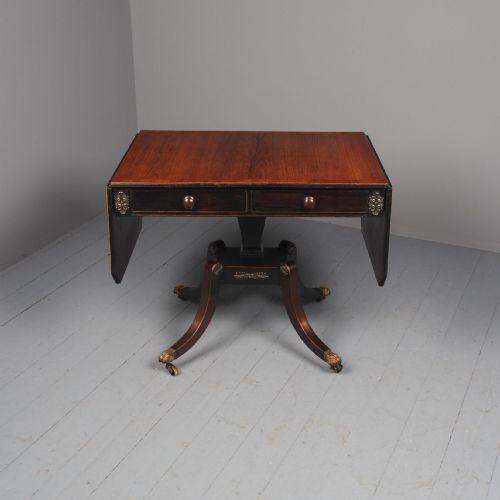
- Sofa table
- A rectangular occasional table traditionally placed in front of or beside a sofa, featuring drop leaves on either side. These typically incorporate dual drawer compartments.
- Ebonised wood
- Timber treated with a dark chemical stain or finish to simulate the appearance of dense ebony. Cabinet makers utilised this technique to create high-contrast decorative borders.
Vintage Rosewood Hall Table: Frequently Asked Questions
How do I date an old rosewood table?
Dating relies on stylistic markers from periods like the Georgian, Regency, and Victorian eras, alongside construction techniques.
Evidence from nineteenth-century pieces reveals specific design traits such as heavy carving, marble tops, and inlaid brass details.
Were these tables used in hallways?
Historical hall furniture served as a formal landing spot for callers' cards, letters, and small accessories upon entering a home.
Many examples function equally well as side tables or console tables in modern reception rooms.
What is an Anglo-Indian table?
Anglo-Indian furniture refers to pieces made in India by local craftsmen working to British colonial design specifications.
These items are typically characterised by intricate overall carving and dense rosewood construction.