



Vintage Ring Dish
These vintage ring dish options span silver, glass, and ceramic, offering small receptacles for jewellery that collectors prize for their period craft.
Vintage Ring Dish
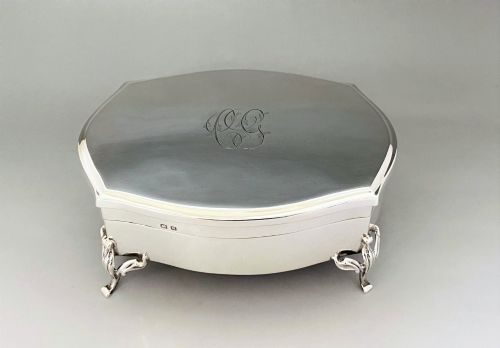
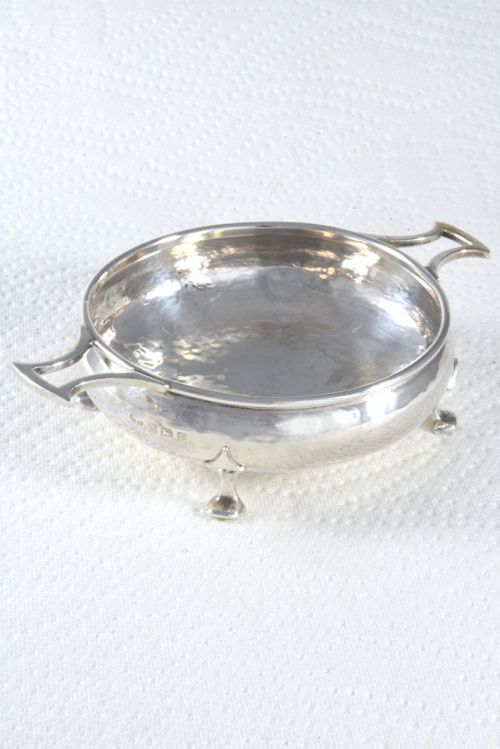
When you search for a vintage ring dish, you encounter a variety of small receptacles designed to hold jewellery and small personal items. The form stretches across pin dishes, trinket boxes, and ring holders from the Victorian, Edwardian, and Art Deco eras.
You are most likely to meet small silver dishes and ceramic trays on this page. These pieces originate from domestic dressing tables and washstands, reflecting the personal habits of past generations.
How they were made
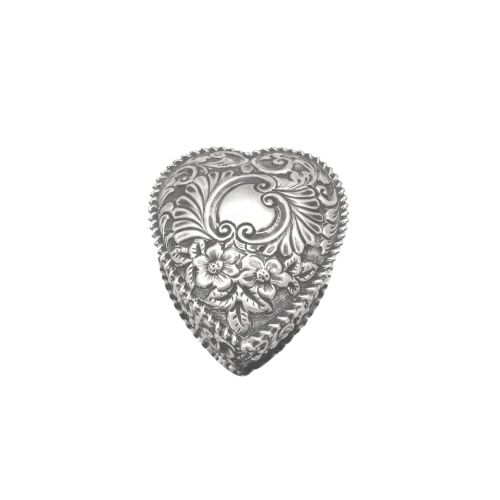
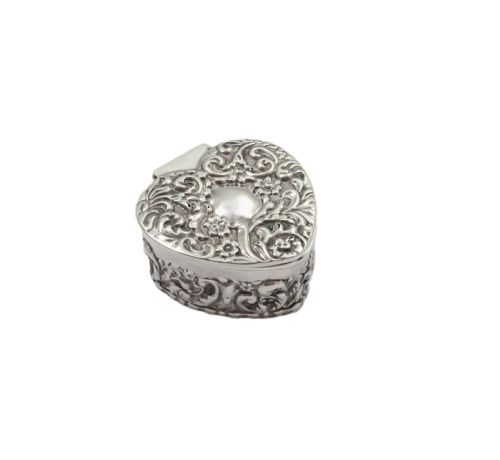
Makers shaped these items from sterling silver, silver plate, porcelain, earthenware, and cut glass. Metal pieces involve casting, stamping, and hallmarking, while ceramic examples utilise glazing and hand-painting techniques.
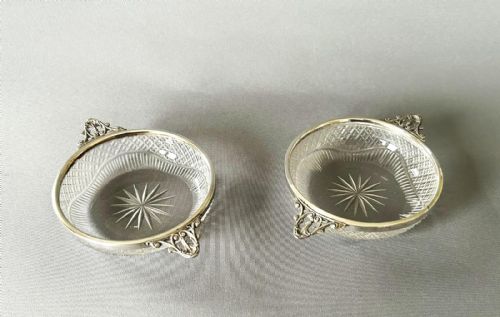
French faience and cut glass introduce distinct textural qualities to the selection. Artisans combined precious metals with glass liners or formed sturdy vessels from spelter and bronze.
The listings show materials ranging from sterling silver and silver plate to faience, earthenware, porcelain, and cut glass across multiple decades.
What varies in quality
The distinction between ordinary and superior pieces rests on the crispness of the chasing, the weight of the metal, and the clarity of the hallmarks. Maker marks from established workshops elevate an object above unmarked domestic wares.
Artistic execution defines the upper tier, seen in moulded glass designs by René Lalique or detailed silver repoussé work. Faience items show quality through the precision of the blue and white hand-painted motifs.
William Neale And Sons·Henry Williamson Ltd·René Lalique·Christofle·Wallace
The Vintage Ring Dish Glossary
- Hallmark
- Official stamps punched into precious metals to indicate the assay office, maker, and year of testing. These marks provide definitive historical context for silver items.
- Pin Dish
- A shallow vessel traditionally kept on a dressing table for loose pins and small ornaments. They appear frequently in sterling silver and porcelain.
- Vide-Poche
- A French term translating to empty pocket, describing a small tray or dish left in an entrance hall or bedroom for keys and coins. Examples in faience and gilt bronze feature in this category.
- Ring Tree
- A small vertical stem mounted on a shallow base, designed specifically to hold rings when removed. Edwardian iterations often feature sterling silver construction.
- Faience
- Tin-glazed earthenware originating from continental European traditions, particularly associated with French production. These pieces often display hand-painted blue and white decoration.
Vintage Ring Dish: Frequently Asked Questions
What is a ring tree?
A ring tree is a small pedestal with a central vertical post designed to hold multiple rings securely.
They sit on dressing tables and feature heavily in Edwardian silver designs.
How do I date a silver dish?
Silver pieces carry hallmarks that indicate the assay office, standard of metal, and specific year letter.
Matching these stamps against historical hallmarking charts reveals the exact year of manufacture.
What is faience?
Faience is a tin-glazed earthenware typically decorated with painted pigments on a white background.
French provincial workshops produced these trays and vide-poches during the nineteenth century.
How were pin dishes used?
Victorians and Edwardians placed pin dishes on dressing tables to catch stray hatpins, brooches, and rings.
They evolved into decorative items made from silver, glass, and porcelain.