



Vintage Retail Table
These vintage retail table pieces are functional shop furnishings and display counters built for commerce, giving your interior authentic mercantile character.
Vintage Retail Table
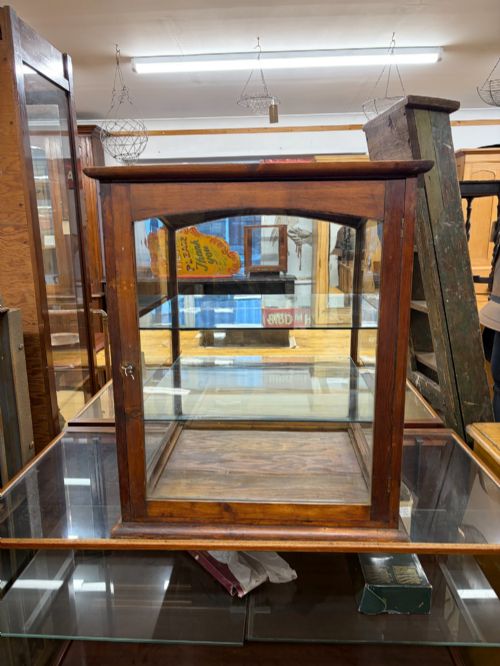
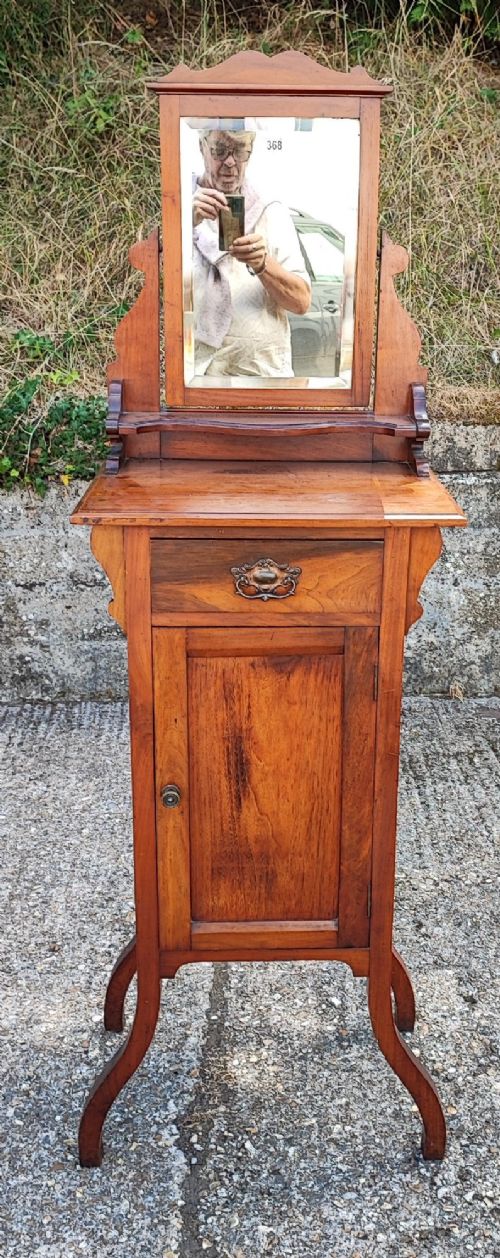
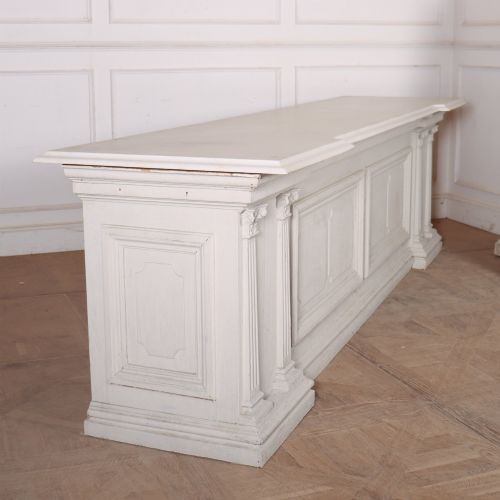
A vintage retail table encompasses commercial shop counters, display stands, and glazed cabinets originating from periods like the nineteenth century up through the nineteen-thirties. You meet oak and elm refectory tables, painted pine counters, and mahogany display cabinets built for trade.
The selection here includes French oak tailors tables, brass and cast iron draper stands, and bijouterie display tables with glass tops. These forms served to showcase goods in shops before finding their way into domestic interiors.
Makers and retailers such as Heals of London, Thomas Cole and James Cole, Hunt And Roskell, Maple of London, and Quincy Showcase Works Illinois appear across the inventory. Their output reflects the robust construction required for daily commercial use.
Materials and construction
Makers utilised solid timbers like oak, mahogany, elm, yew, and painted pine combined with structural brass, cast iron, and glass. These materials provided the durability necessary for busy shop floors and trade environments.
Glazing, gesso detailing, velvet linings, and sign-written additions feature on display cabinets and bijouterie tables. Joinery techniques ensured these counters and stands withstood heavy daily handling in retail premises.
Vintage Retail Table Retail Price Guide 2026
Typical asking prices for vintage retail table among the pieces listed under this phrase on Sellingantiques today, from the lower quarter to the upper quarter. They describe what is for sale here now, not the wider market.
Evaluating quality and origin
Quality rests in the integrity of the timber, the clarity of the glass, and the sophistication of the brass or cast iron fittings. Pieces bearing retail signatures or originating from known workshops carry distinct provenance.
The refinement of the joinery and the survival of original painted finishes or sign-written details separate standard commercial furniture from finer examples.
Heals Of London·Thomas Cole and James Cole·Hunt And Roskell·Quincy Showcase Works Illinois·Maple Of London
The Vintage Retail Table Glossary
- Bijouterie table
- A glass-topped display table designed specifically for showcasing small valuable items, jewellery, and curiosities. They often feature hinged lids and velvet-lined interiors.
- Refectory table
- A large, long dining or display table traditionally built with sturdy timber legs and a central stretcher for extra stability. Versions in oak and elm served both domestic and commercial spaces.
- Shop counter
- A substantial piece of furniture positioned to serve customers and display goods, commonly constructed from painted pine or hardwoods. These units often incorporate drawers, shelving, and glazed sections.
- Fusee movement
- A clockwork mechanism utilising a cone-pulley and chain to equalize the driving force of the mainspring as it unwinds. This system ensures consistent timekeeping in quality timepieces.
- Display cabinet
- A glazed enclosure designed to protect and exhibit merchandise or collectibles to viewers. Examples utilise mahogany and plate glass to maximise visibility.
Vintage Retail Table: Frequently Asked Questions
What is a vintage retail table used for?
These pieces function as striking focal points in modern homes, serving as kitchen islands, console tables, or display surfaces for collections. Their original commercial purpose gives them robust proportions and practical storage.
In contemporary interiors, glazed display tables and shop counters allow you to exhibit books, textiles, or small objects beneath glass while keeping them protected.
How do I identify the period of a shop counter?
Dating relies on timber selection, construction methods, and hardware such as brass handles and cast iron brackets. Nineteenth-century examples often feature hand-planed surfaces and heavier framing.
Later pieces from the nineteen-twenties and nineteen-thirties show streamlined commercial designs, specific retail signage, and plate glass construction suited to twentieth-century shops.
Are these tables suitable for everyday home use?
Built originally for heavy commercial trade, these furnishings possess exceptional structural strength and durability. Oak, mahogany, and pine tables handle daily household tasks with ease.
Glass-topped display stands and bijouterie tables require thoughtful placement to protect delicate surfaces, but their frames are exceptionally sturdy.
What materials are common in retail antiques?
Solid hardwoods like oak, mahogany, elm, and yew form the primary structures of these display tables and counters. Painted pine and structural metals such as brass and cast iron also appear frequently.
Glazing, velvet linings, and gesso ornamentations complete the construction of cabinets and specialised merchandising stands.