




Vintage Retail Sign
A vintage retail sign brings commercial history straight into a room, offering authentic lettering and period character.
Vintage Retail Sign
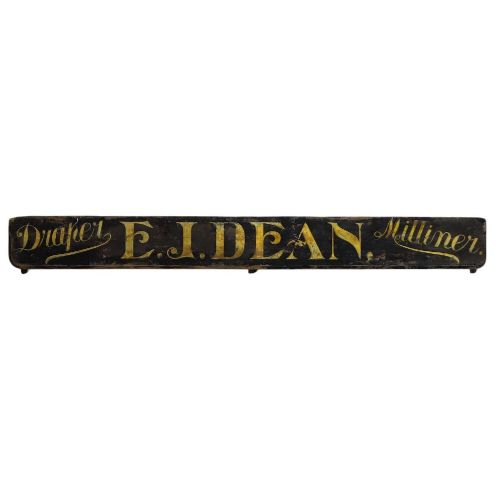
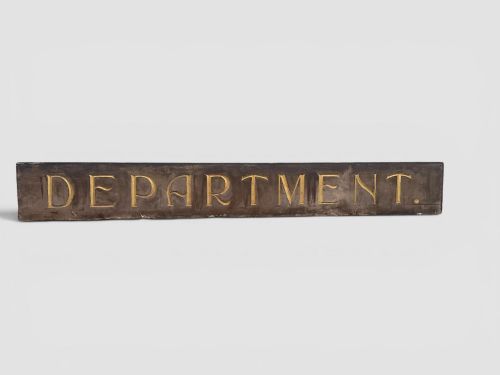
A vintage retail sign encompasses various commercial objects designed for trade and display, reflecting eras from the Victorian period through the mid twentieth century. Buyers seeking a vintage retail sign will encounter painted wooden boards, glass shop signs, and glazed display cabinets bearing historic advertising.
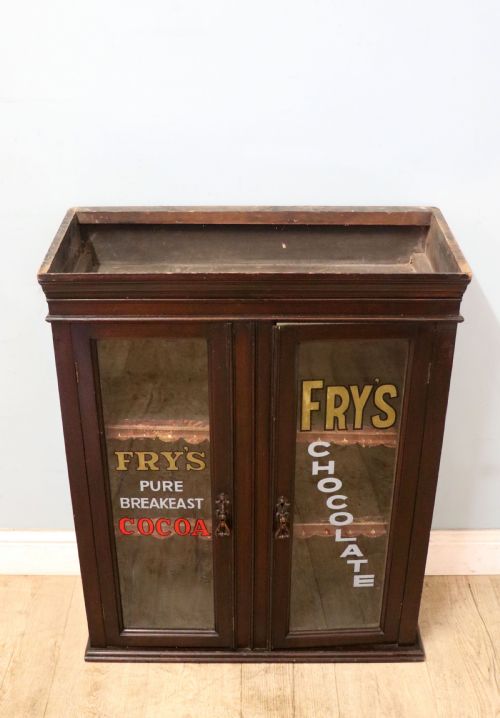
The selection ranges from large department store shop signs and trade signs to smaller wall signs and painted glass pieces. Many pieces showcase hand sign written lettering for historical brands like Fry's chocolate, Rowntree's Cocoa, and Breitling watches.
The periods represented stretch across the nineteenth and twentieth centuries, including Edwardian and 1930s examples. These functional pieces of advertising display bridge the gap between commercial utility and decorative wall art.
How they were made
Makers utilised traditional materials such as glass, brass, paint, wood, mahogany, gold leaf, metal, and velvet to construct these signs and associated display units. Wood frames often house painted glass or timber panels bearing the hand sign written lettering.
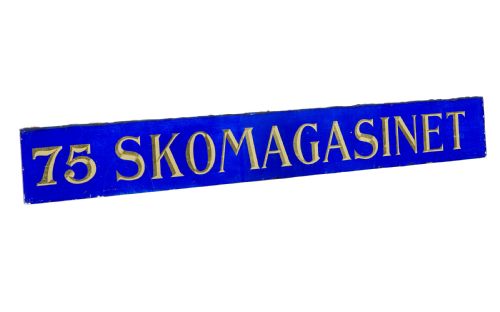
Techniques relied heavily on skilled hand-painting and sign writing directly onto surfaces like pine, oak, walnut, and glass. Gold leaf applied to glass or timber added distinction to boutique shoe shop signs and trade displays.
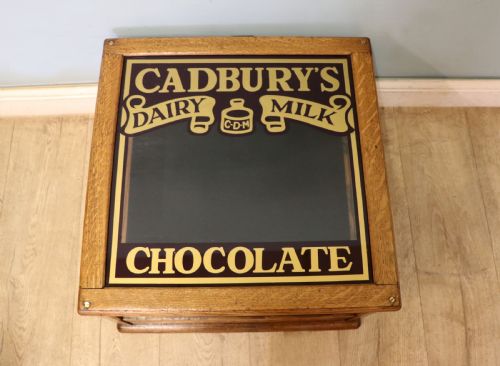
Cabinets and tables incorporated glazed sections and woodwork to serve dual purposes as shopfitting furniture and advertising mediums.
Vintage Retail Sign Retail Price Guide 2026
Typical asking prices for vintage retail sign among the pieces listed under this phrase on Sellingantiques today, from the lower quarter to the upper quarter. They describe what is for sale here now, not the wider market.
Materials recorded across the inventory include glass, brass, paint, wood, mahogany, gold leaf, metal, and velvet.
What varies in quality
The calibre of a vintage retail sign depends on the crispness and complexity of the original hand-painted lettering and the depth of the sign writing. Pieces featuring genuine period advertising show superior artistic execution in their typography and layout compared to later decorative additions.
The choice of base materials dictates the standard of the construction, with solid hardwoods like walnut, mahogany, and oak providing greater substance than softer woods. Original wooden frames and untouched glass surfaces preserve the integrity of the piece.
The physical scale and presence of the object, from massive department store items to delicate countertop display cabinets, heavily influence its visual impact.
Liberty and Co·Breitling·Fry·Rowntree·Cadbury
The Vintage Retail Sign Glossary
- Sign written
- Hand-painted lettering applied directly to a surface for commercial identification. This technique defines much of the traditional trade signage.
- Bijouterie display table
- A glass-topped table designed for showing small valuable goods in a shop. These tables often feature later sign written details for watch brands.
- Countertop display cabinet
- A glazed wooden case placed on a shop counter to showcase merchandise to customers. Many examples incorporate advertising for confectionery or perfumes.
Vintage Retail Sign: Frequently Asked Questions
What is a vintage retail sign?
A vintage retail sign is an authentic commercial artefact from the Victorian, Edwardian, or mid-century periods used for advertising or trade display.
These pieces include hand-painted wooden boards, glass wall signs, and glazed shop cabinets featuring historical brand lettering.
Where were these signs used?
They originated in nineteenth and twentieth-century department stores, milliners, drapers, and specialty shops to attract customers and promote goods.
Many functioned as countertop display units or wall signage inside commercial premises.
How do I display one at home?
Wall signs and painted glass panels mount easily in living spaces or kitchens to add industrial and commercial character.
Cabinets and bijouterie tables serve as functional display furniture for personal collections.
How do I tell the periods apart?
Victorian and Edwardian pieces typically feature traditional timber framing and hand-painted lettering for early confectionery or drapery businesses.
Mid-century and 1930s examples often incorporate streamlined glass designs or specific watch and perfume branding.