


Vintage Relief Art
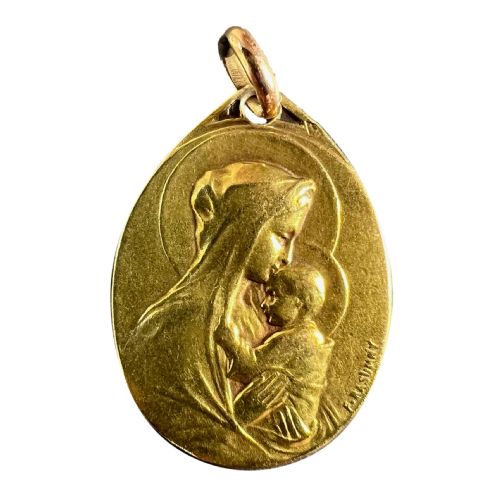
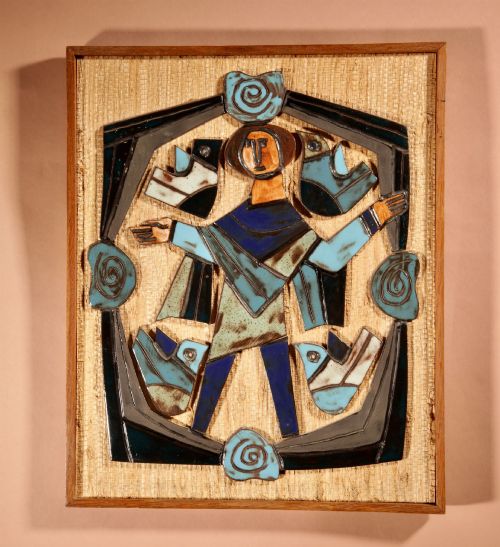
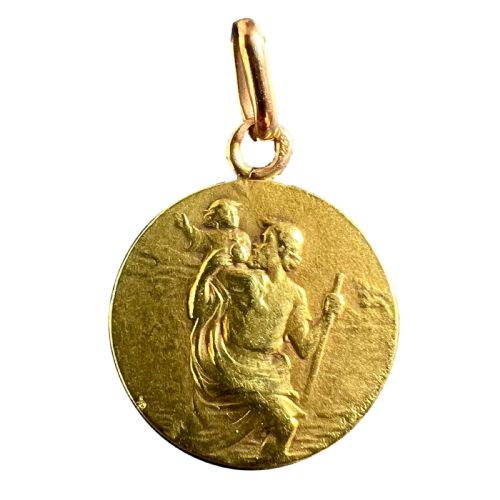
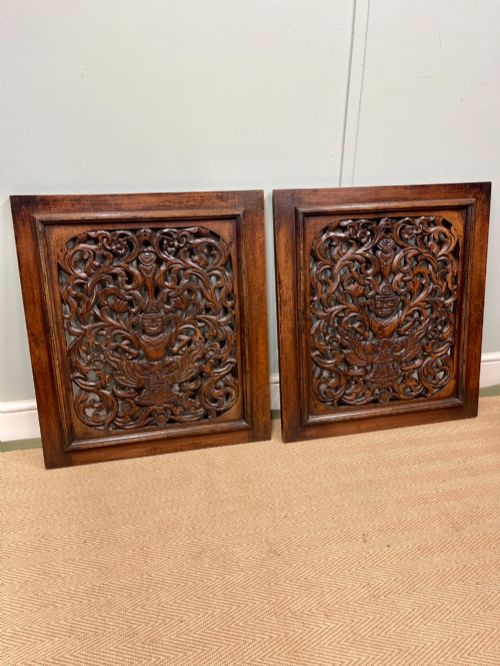
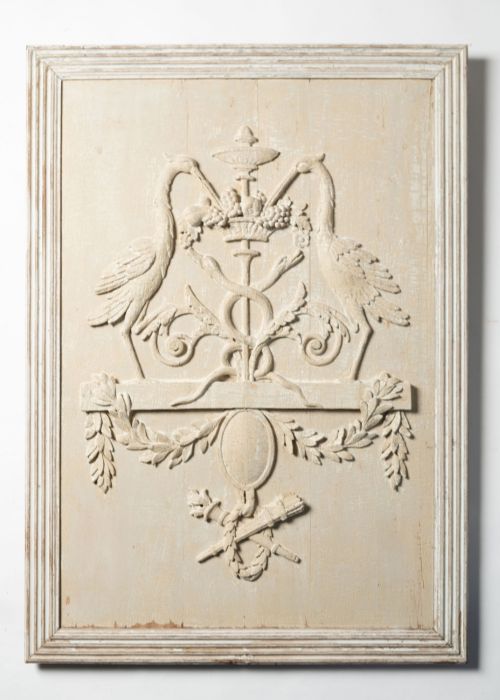
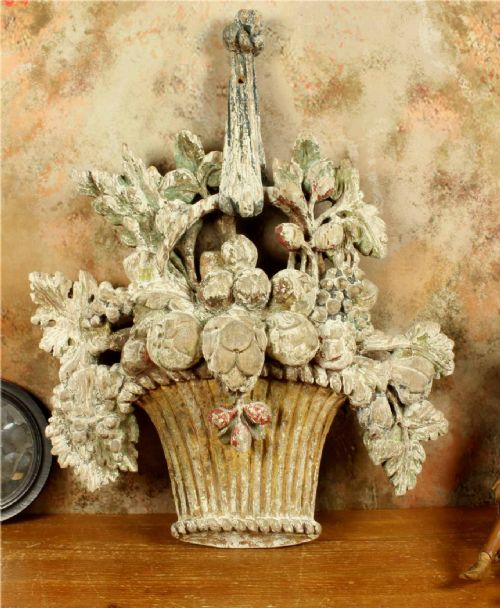
Vintage relief art encompasses carved panels, moulded glassware and metal plaques where figures project from a flat background.
Vintage Relief Art
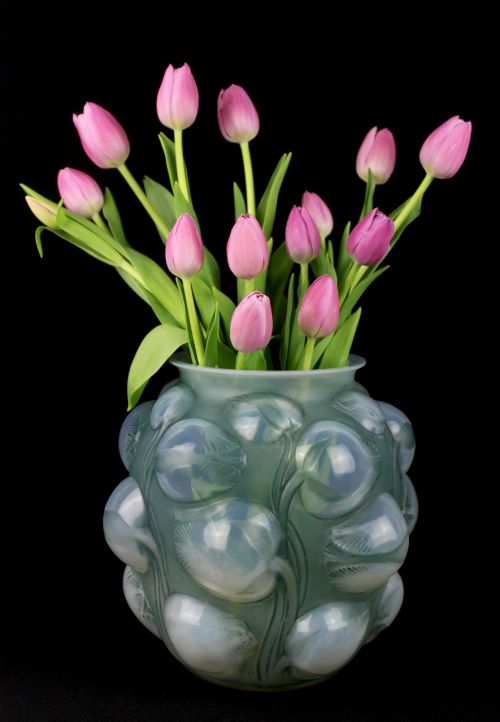
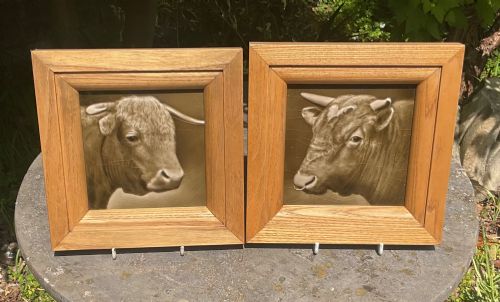
Vintage relief art covers a broad spectrum of raised decorative work spanning wood, ceramics, metal and glass. Pieces range from Victorian carved wooden hunting trophies and framed ceramic tiles to Art Deco opalescent glass vases and metal wall plaques.
Buyers seeking this phrase encounter three-dimensional imagery where subjects emerge from a backing plane. The selection relies heavily on nineteenth-century craftsmanship alongside twentieth-century production from periods such as the nineteen-twenties and nineteen-thirties.
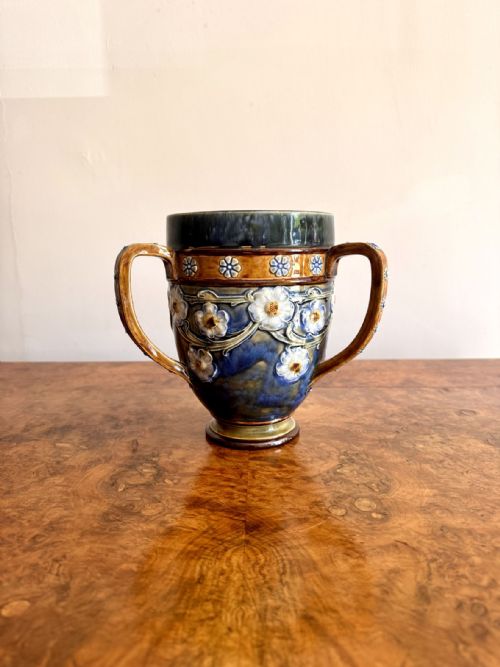
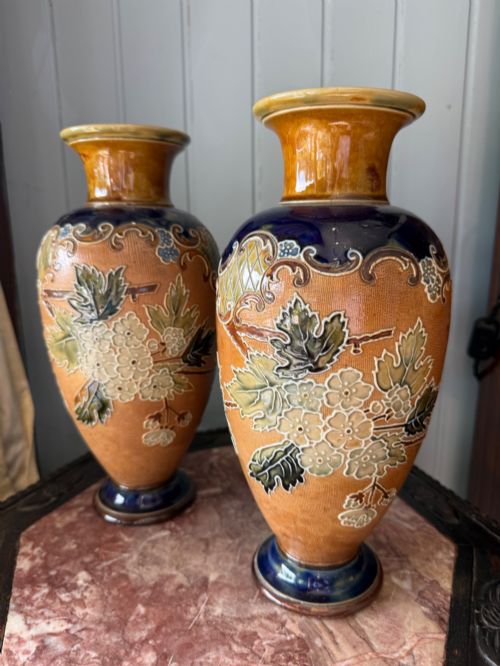
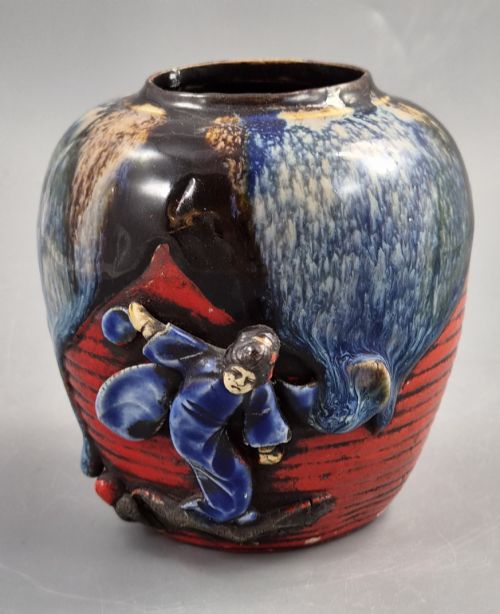
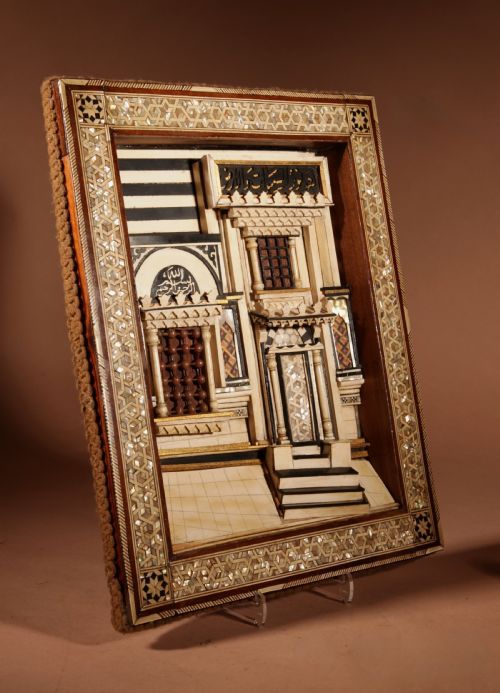
Forms include wall panels, architectural dioramas, decorative pottery jugs and sculptural glass vessels. Wood and stoneware appear frequently alongside cast metals and glazed earthenware.
How they were made
Makers utilised traditional carving techniques for wooden panels, reliefs and frames, shaping oak, teak and fruitwoods with hand chisels. Stoneware and terracotta pieces involved manual throwing or moulding followed by specialised glazing processes.
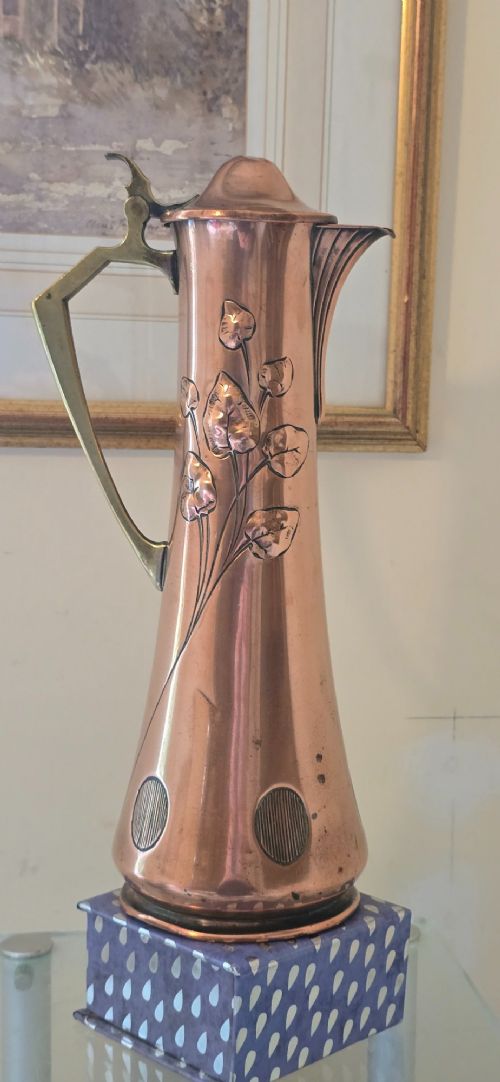
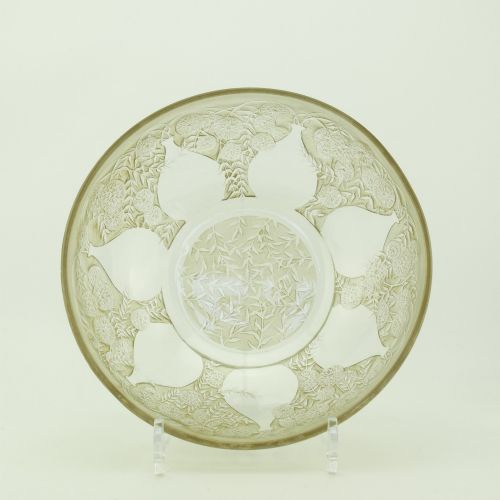
Glass makers employed moulding and pressing methods, notably in opalescent and frosted compositions seen in mid-century and earlier twentieth-century vessels. Metal objects combined copper, brass, pewter and silver through casting, repoussé and engraving.
Ceramic production involved relief tiles and stoneware bodies finished with coloured glazes, salt glazes or flambé effects. Each medium required distinct thermal or manual handling to achieve the raised surface definition.
Vintage Relief Art Retail Price Guide 2026
Typical asking prices for vintage relief art among the pieces listed under this phrase on Sellingantiques today, from the lower quarter to the upper quarter. They describe what is for sale here now, not the wider market.
Listings feature wooden panels, stoneware jugs and opalescent glass vases spanning the nineteenth century through the nineteen-sixties.
What varies in quality
The depth and crispness of the modelled surface dictate the visual impact of each piece. Finer examples display sharp undercut details in wood or metal and precise definition in moulded glass and ceramic glazes.
Material selection and maker attribution separate standard production from superior output. Pieces carrying documented signatures or originating from established potteries and metalwork studios demonstrate higher standard execution.
Royal Doulton·René Lalique·Sherwin and Cotton·WMF
The Vintage Relief Art Glossary
- Relief
- Sculptural technique where figures or designs project from a flat background. The depth determines whether the work is classified as low or high relief.
- Opalescent glass
- Glass containing agents that create a milky, semi-translucent appearance with shifting blue and amber tones under light. This effect defines many twentieth-century decorative vessels.
- Stoneware
- A robust, vitrified ceramic fired at high temperatures to produce a dense, impermeable body. It accepts salt glazes and intricate relief moulding readily.
- Repoussé
- Metalworking method where a design is hammered into relief from the reverse side of a sheet of metal. It appears frequently on copper and brass decorative wares.
- Intaglio
- A design engraved into the surface of a gem, stone or metal plate so that the image sits below the field. It represents the inverse of relief carving.
Vintage Relief Art: Frequently Asked Questions
How do I hang a heavy wooden relief panel safely?
Heavy carved wooden panels require secure wall fixings distributed evenly across the frame or backing structure. Utilising batten systems or heavy-duty mirror plates ensures the weight is supported without straining ancient joints.
Position the piece away from direct heat sources and strong sunlight to prevent the timber from warping or splitting over time.
How should I clean opalescent glass vases?
Clean opalescent glass gently using lukewarm water and a mild, non-abrasive detergent with a soft cloth. Avoid harsh chemical cleaners or abrasive scouring pads that can damage the delicate surface texture.
Dry the vessel thoroughly with a lint-free cloth to prevent water spots from forming on the frosted or moulded areas.
What is the difference between stoneware and earthenware?
Stoneware is fired at higher temperatures than earthenware, resulting in a vitrified, non-porous body that holds water without glazing. Earthenware remains porous unless completely covered in a protective glaze layer.
Stoneware pieces like Victorian jugs and vases offer greater durability and resistance to chipping compared to softer earthenware bodies.
Where were architectural dioramas displayed originally?
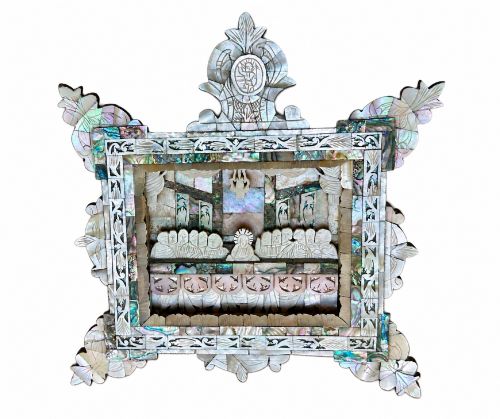
Architectural dioramas and building facade models served as decorative interior wall ornaments or display pieces in domestic settings during the nineteenth and early twentieth centuries. They provided miniature representations of notable structures or exotic scenes.
Today, these pieces function as focal wall art in studies, hallways or living spaces, requiring stable indoor humidity levels.