
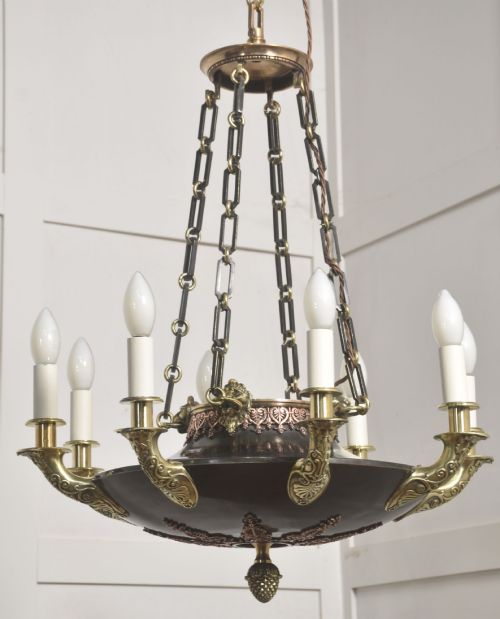
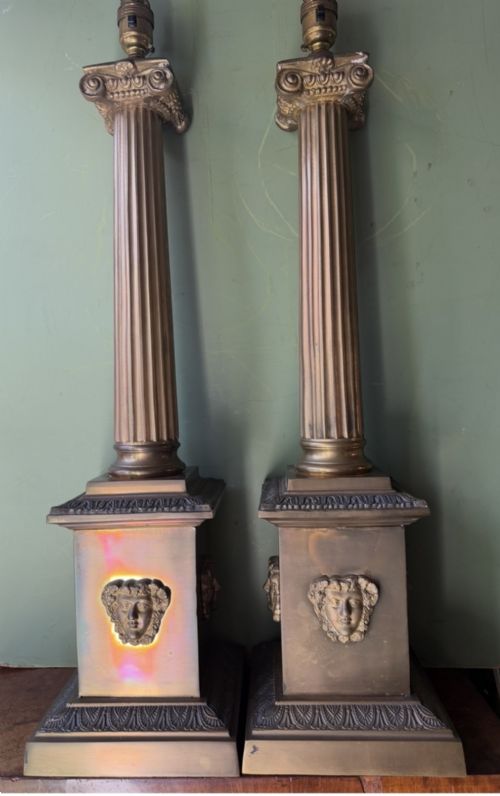
Vintage Regency Style Lamp
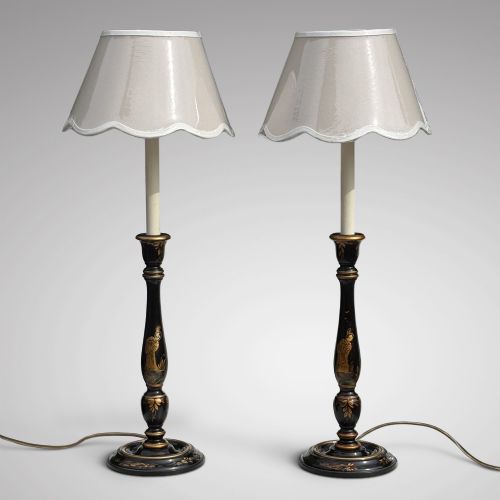
These vintage regency style lamps bring classical proportion and polished metalwork into a room, offering both character and focused task lighting.
Vintage Regency Style Lamp
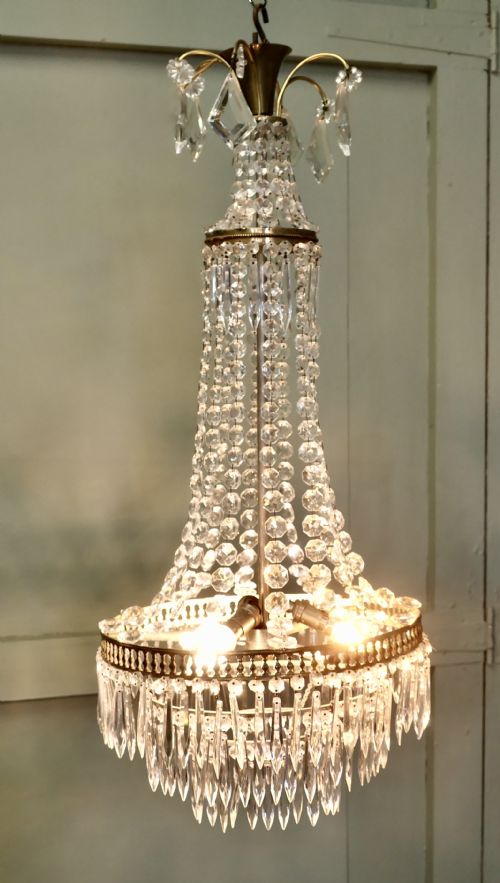
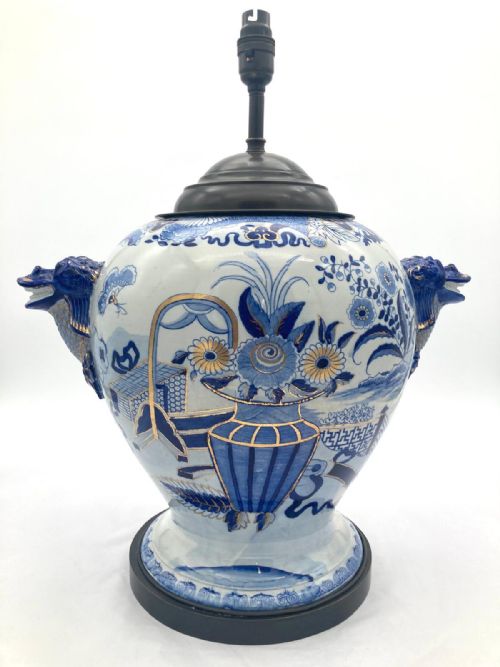
When you search for a vintage regency style lamp, you encounter pieces that draw on neoclassical lines, nineteenth-century revival periods, and early twentieth-century interpretations. The selection frequently includes standard lamps, floor lamps, and table lamps cast in brass or bronze.
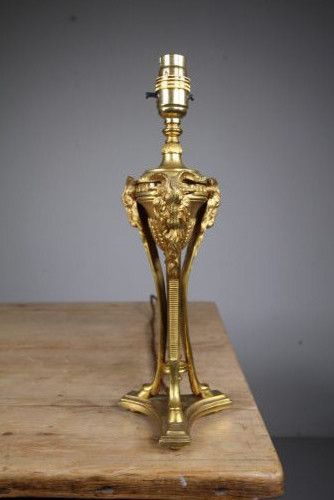
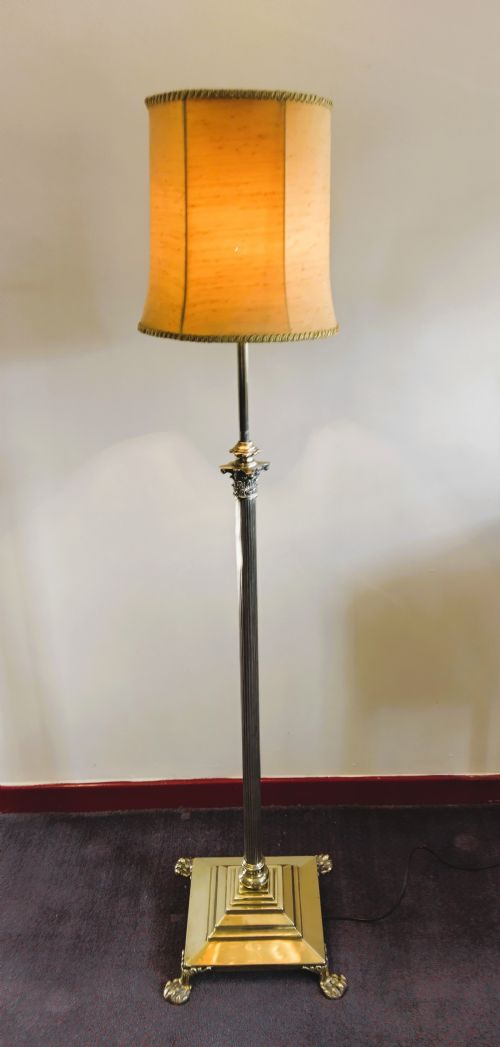
Makers and manufacturers during the nineteenth century and subsequent revival decades drew heavily on classical motifs such as columns, Corinthian capitals, and rams heads. These forms translate well into domestic settings where traditional lighting anchors the room scheme.
The materials span solid brass, cut glass crystal, and finished wood, often paired with fabric shades. Pieces range from adjustable standard lamps to smaller bedside and table-top varieties.
How they were made
Metals form the backbone of these pieces, with heavy cast brass, bronze, and ormolu providing the structural integrity and weight required for tall floor standards and table bases. Artisans shaped these components through casting and turning, sometimes adding parcel gilt highlights to accentuate the classical detailing.
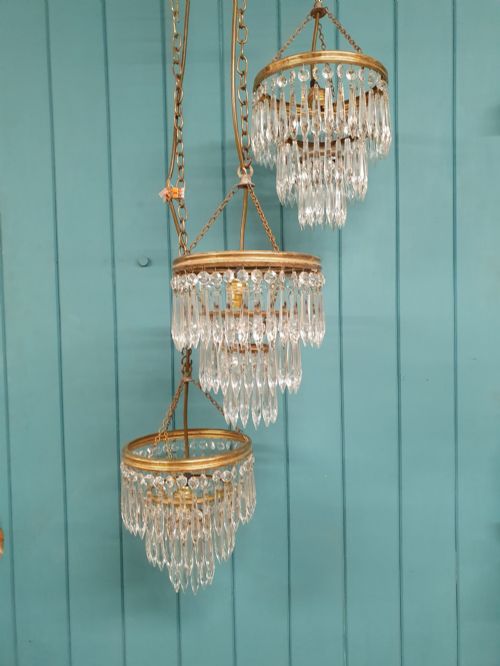
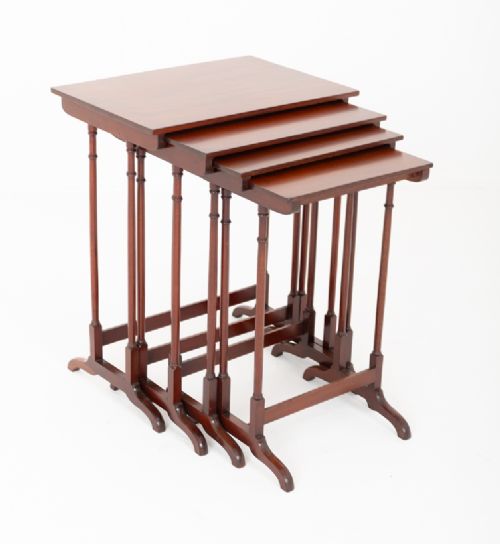
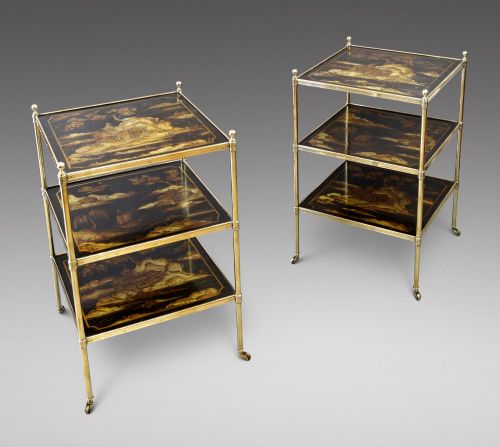
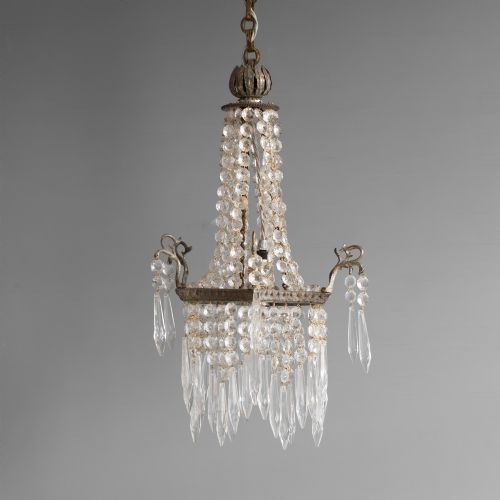
Glass and crystal elements appear frequently, utilised as drops, shades, or body sections that catch and refract light. Wood varieties such as mahogany, yew, and lacquered finishes are also integrated into associated lamp tables and supporting structures.
Wiring and fittings have generally been updated to meet modern standards, though the primary chassis retains the original patinated metalwork, turnings, and structural assemblies from periods spanning the late nineteenth century to the mid-twentieth century.
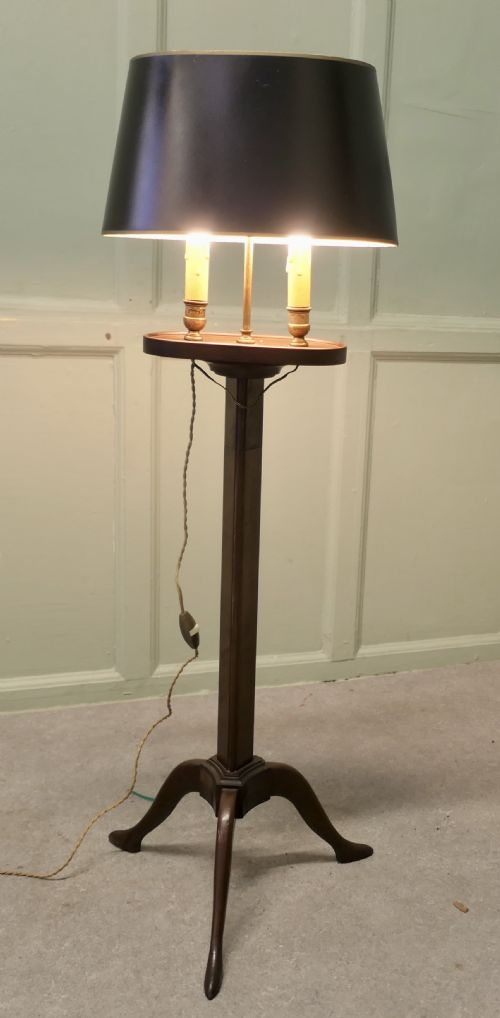
Standard lamps and floor lamps appear frequently alongside table lamps, often featuring adjustable height mechanisms and neoclassical column designs.
What varies in quality
The weight and purity of the metal casting distinguish finer examples from standard production pieces. Heavier brass and well-chased ormolu or bronze retain crisp detail in the acanthus leaves, fluting, and classical mounts.
Proportion and engineering dictate the success of adjustable floor and standard lamps. Telescopic mechanisms should move smoothly and lock securely without listing to one side, maintaining a straight vertical line.
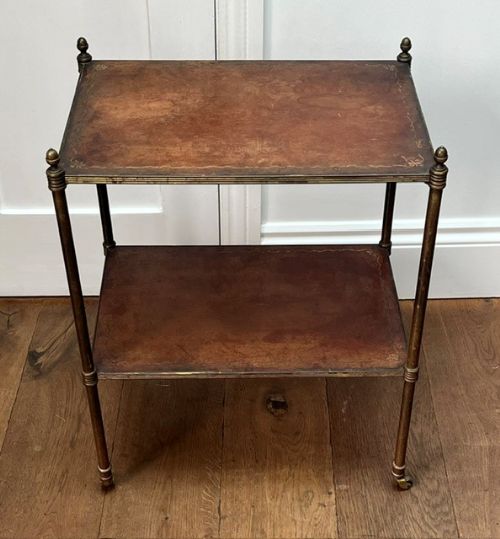
The integration of secondary materials, such as cut crystal drops, hand-tooled leather surfaces, or lacquered finishes, indicates the level of care taken during fabrication. Cohesive design across both the metal armature and any wooden or glass adjuncts elevates the piece.
The Vintage Regency Style Lamp Glossary
- Ormolu
- Gilded bronze, where a gold-mercury amalgam is applied to a bronze base. This technique produces a warm, durable metallic finish found on high-status lighting fixtures.
- Corinthian column
- A classical architectural column style featuring an ornate capital decorated with acanthus leaves. This motif is frequently adapted for the stems of floor and table lamps.
- Standard lamp
- A freestanding floor lamp designed to illuminate a room from a vertical post. These often feature adjustable height mechanisms or heavy weighted bases.
- Neoclassical
- A style spanning the eighteenth and nineteenth centuries that revives classical Greek and Roman forms. It prioritises symmetry, straight lines, and classical ornamentation.
- Regency revival
- A decorative movement drawing inspiration from the British Regency period. It reinterprets classical motifs using early to mid-twentieth-century manufacturing methods.
Vintage Regency Style Lamp: Frequently Asked Questions
How do I date a brass standard lamp?
Dating relies on examining the construction methods of the weighted base, the thickness of the brass, and the wiring channel. Earlier pieces from the nineteenth century often feature heavier cast components and hand-cut threads.
Revival pieces from the nineteen-thirties display different casting seams and standardised screw fittings. Comparing the patination of the metal with known period styles helps narrow down the decade.
Where should I place a floor standard lamp?
Floor standards work well beside reading chairs, in dark corners, or framing a fireplace. Their vertical height draws the eye upward, making them useful for balancing low-ceilinged rooms.
Ensure the heavy base sits on a stable surface away from high-traffic walkways. Pairing the height with an appropriate shade diffuses light effectively across the living space.
What is the difference between regency and neoclassical styles?
Neoclassical design encompasses a broad European movement inspired directly by antiquity, focusing on strict symmetry and architectural orders. Regency style specifically reflects the British Regency era, blending neoclassical restraint with exotic influences.
In lighting, both styles utilise columns, urns, and patinated bronze, but regency pieces often incorporate bolder decorative mounts and darker wood accents.