

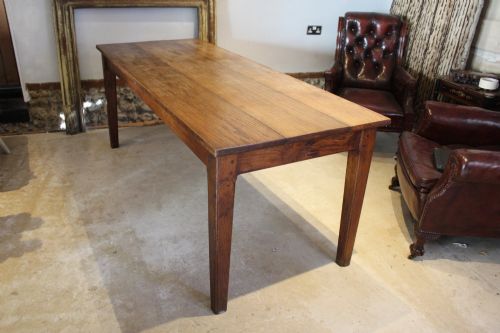
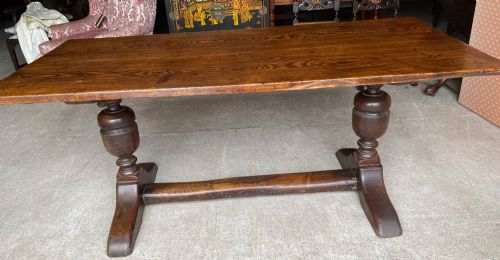
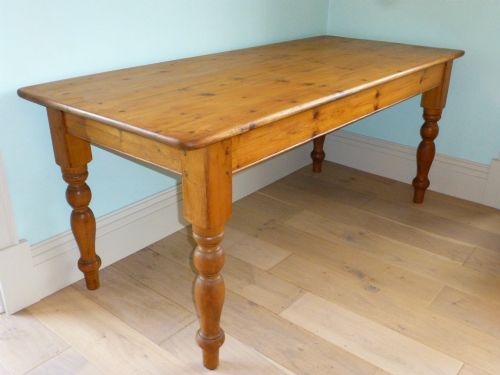
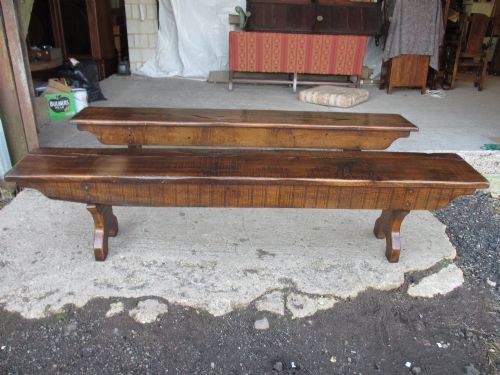




Vintage Refectory Seat
A vintage refectory seat offers sturdy communal dining timber for your kitchen, drawing on traditional farmhouse and tavern forms.
Vintage Refectory Seat
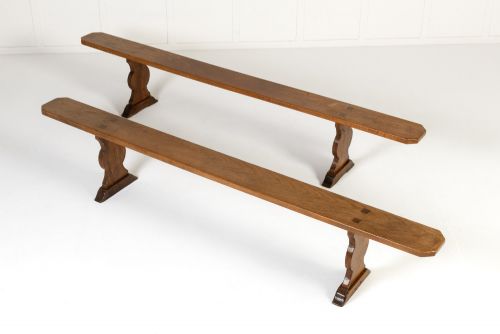
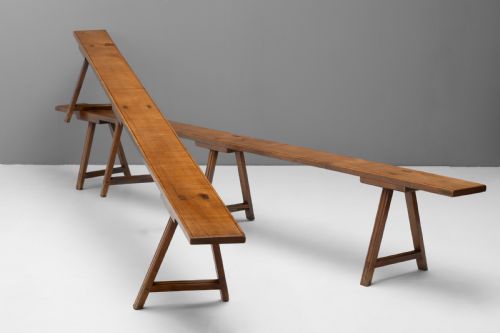
When you search for a vintage refectory seat, you encounter long benches and dining benches designed to accompany refectory tables. The pieces on this page span the Victorian period, Edwardian era, and the early twentieth century around 1900 to 1940.
You are most likely to meet oak benches, alongside occasional fruitwood and cherry variants. These forms draw upon English country, French provincial, and Gothic revival styles.
The selection includes matched pairs and single long tavern benches intended for heavy daily use. Their origins stretch from English workshops to French provincial makers.
Construction and materials
Makers utilised solid timbers including oak, hardwood, fruitwood, and cherry to build these substantial seats. Construction typically involves heavy planks joined to shaped trestle ends.
Surfaces display natural grain patterns, sometimes finished with a bleached treatment. The assembly relies on traditional joinery designed to support considerable weight over long tavern tables.
Vintage Refectory Seat Retail Price Guide 2026
Typical asking prices for vintage refectory seat among the pieces listed under this phrase on Sellingantiques today, from the lower quarter to the upper quarter. They describe what is for sale here now, not the wider market.
Listings span oak, hardwood, fruitwood, and cherry across periods from the nineteenth century to nineteen forty.
Assessing quality
Quality rests in the selection of timber and the integrity of the trestle ends. Dense oak and seasoned fruitwood hold structural stability better than softer hardwoods over decades of heavy service.
Proportion and length dictate utility, with longer tavern benches requiring exceptional timber selection to prevent sagging. The subtlety of shaped trestle ends separates standard utilitarian forms from finer country examples.
The Vintage Refectory Seat Glossary
- Refectory bench
- A long, narrow seat historically used in communal dining halls and paired with matching long tables. It provides linear seating designed to slide beneath the table when not in use.
- Trestle end
- A support structure consisting of upright legs connected to a horizontal foot or base. This design distributes weight evenly and maximises legroom along the length of the seat.
- Fruitwood
- Dense timber harvested from fruit-bearing trees such as cherry or pear. It offers a smooth texture and warm tone often found in French provincial seating.
- Bleached oak
- Oak timber treated to lighten its natural colour. This finish reveals the grain while offering a paler surface suited to country interiors.
Vintage Refectory Seat: Frequently Asked Questions
How do I style a refectory bench at home?
Pair your bench with a matching wooden dining table or position it against a hallway wall. It provides practical linear seating without cluttering the floor space.
Keep the timber clean with a soft cloth and occasional wax. Avoid placing solid wood furniture near direct heat sources to prevent the planks from splitting.
What periods do these benches come from?
The listings span the Victorian period, Edwardian era, and the early twentieth century up to nineteen forty. Each era brings subtle shifts in timber selection and leg shaping.
French pieces often utilise fruitwood or cherry, while English examples lean toward sturdy oak. Examining the grain and construction helps identify the regional origin.
Are these seats suitable for daily dining?
These benches were built for heavy use in kitchens, taverns, and dining halls. Their solid wood construction handles daily sitting comfortably.
Ensure you measure the height of your table against the bench clearance before arranging your dining space. Long benches accommodate multiple guests easily.