





Vintage Red Velvet Seating
Vintage red velvet seating brings rich texture and enduring character to a room, ranging from grand Victorian sofas to refined Edwardian dining chairs.
Vintage Red Velvet Seating
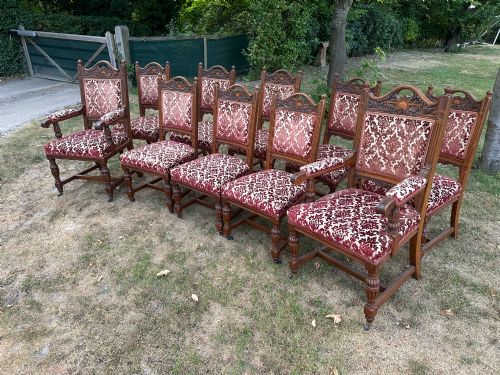
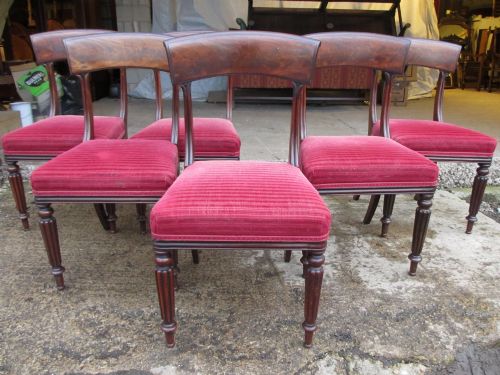
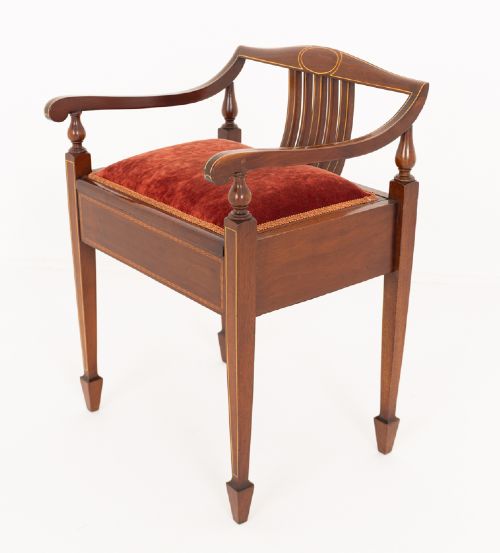
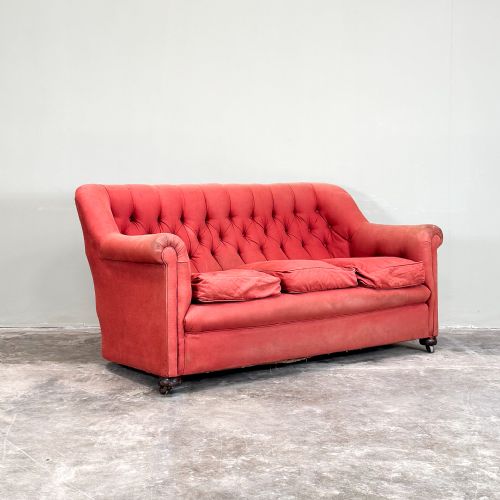
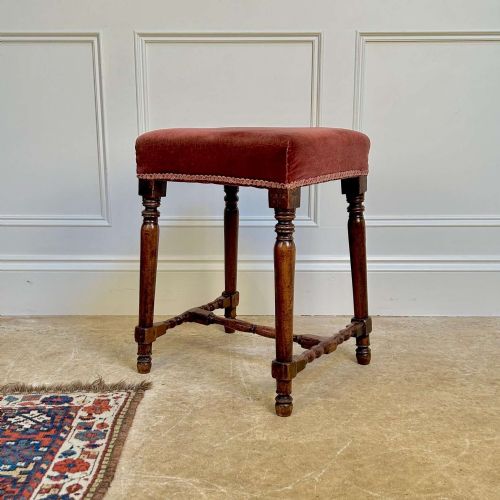
Vintage red velvet seating encompasses a broad spectrum of antique and period forms designed for practical use and formal display alike. When exploring vintage red velvet seating, buyers encounter everything from large country house storage ottomans and deep-seated sofas to sets of dining chairs and piano stools.
The selection spans multiple centuries and stylistic revivals, drawing heavily on Georgian, Victorian, and Edwardian craftsmanship. Pieces range from walnut parlour chairs and mahogany armchairs to window seats and adjustable music stools, reflecting diverse domestic interiors from the nineteenth and early twentieth centuries.
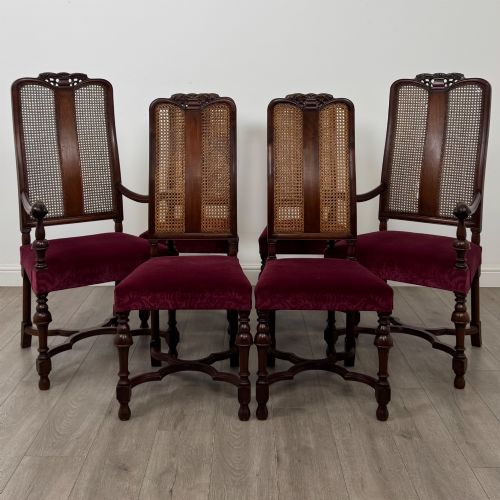
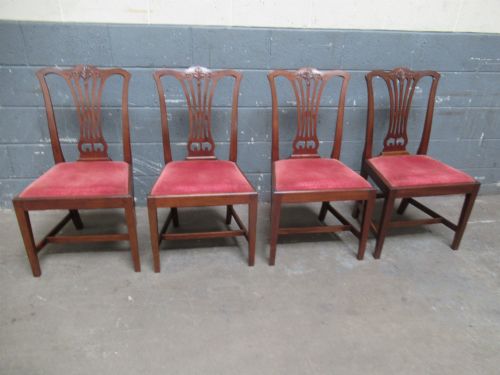
Dining chairs appear frequently in sets, alongside individual armchairs and window seats suited for drawing rooms or libraries. The forms bridge functional daily use and decorative upholstery traditions, utilising sturdy timbers alongside soft piled textiles.
Assessing quality and craftsmanship
Quality rests upon the integrity of the timber frame and the skill of the original joinery, distinguishing sturdy period constructions from lesser builds. Finer examples display meticulous hand-carved details, balanced proportions, and robust structural timbers like mahogany or walnut.
The refinement of the upholstery work and the choice of supplementary materials, such as brass fittings or cane work, elevate certain pieces above standard utility items. Superior examples maintain their original architectural lines and structural rigidity through centuries of use.
Vintage Red Velvet Seating Retail Price Guide 2026
Typical asking prices for vintage red velvet seating among the pieces listed under this phrase on Sellingantiques today, from the lower quarter to the upper quarter. They describe what is for sale here now, not the wider market.
Listings feature eighteenth to twentieth-century seating, incorporating mahogany, walnut, velvet, and cane across diverse forms.
Hallett & Sons
The Vintage Red Velvet Seating Glossary
- Bergere
- An enclosed upholstered armchair with wooden frames and woven cane panels on the sides and back. This French style gained popularity in various periods across European furniture design.
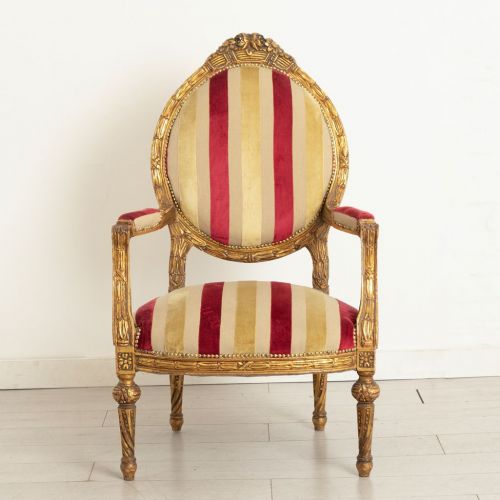
- Fauteuil
- An open-arm armchair with an exposed wooden frame, typically upholstered on the seat and back. Originating in France, these chairs feature carved wooden arm supports and legs.
- Ottoman
- A low upholstered seat or footstool without a back or arms, sometimes incorporating internal storage space. Large country house versions were built to accommodate blankets or linens.
- Piano stool
- An adjustable seat designed for musicians, often featuring a revolving top or a mechanism to alter height. These stools frequently incorporate brass and steel hardware.
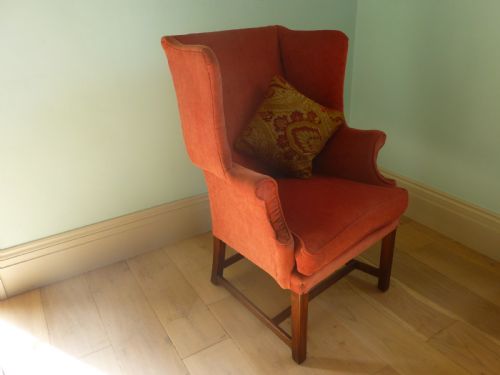
- Wingback armchair
- A large upholstered chair featuring protective side panels designed to shield the occupant from drafts. Early versions utilised deep cushioning and supportive frames for fireside comfort.
Vintage Red Velvet Seating: Frequently Asked Questions
How do I clean antique velvet upholstery?
Velvet requires gentle brushing to maintain the nap and prevent dust accumulation over time. Professional cleaning is generally recommended for older textiles to preserve the integrity of the pile.
Harsh chemical cleaners and excessive moisture can permanently damage antique fabrics. Regular light maintenance keeps the red hue vibrant without risking the underlying material.
Can I use dining chairs every day?
Period dining chairs from the Victorian and Edwardian eras were built for robust daily domestic use. Solid hardwood frames and traditional joinery ensure they remain structurally sound for regular seating.
Checking the stability of the joints periodically helps maintain their longevity. They bridge decorative historical appeal with practical everyday function in modern dining spaces.
What is a piano stool used for?
Piano stools provided adjustable seating for musicians practicing or performing in nineteenth-century parlours. Mechanisms allowed the player to alter their height easily while seated at the instrument.
Today these versatile pieces function well as compact seats in dressing rooms or studies. Their distinctive brass and timber hardware adds subtle mechanical interest to a room.
How do I identify a Victorian armchair?
Victorian armchairs typically display heavier proportions, dark hardwood frames, and deep buttoned upholstery. Stylistic cues often include carved walnut or mahogany woodwork and sprung seating structures.
They reflect the comfort and decorative ambitions of nineteenth-century domestic interiors. Examining the timber and construction methods helps differentiate them from later Edwardian reproductions.