



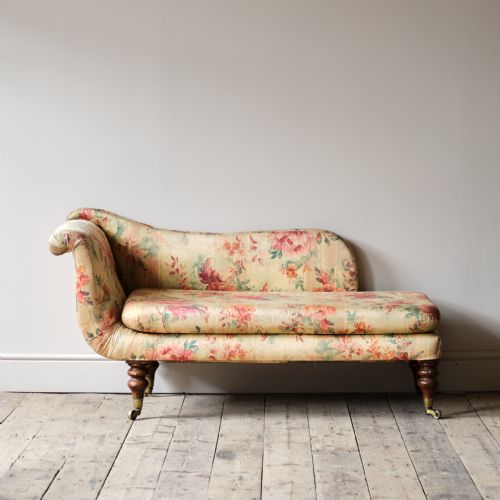


Vintage Recamier
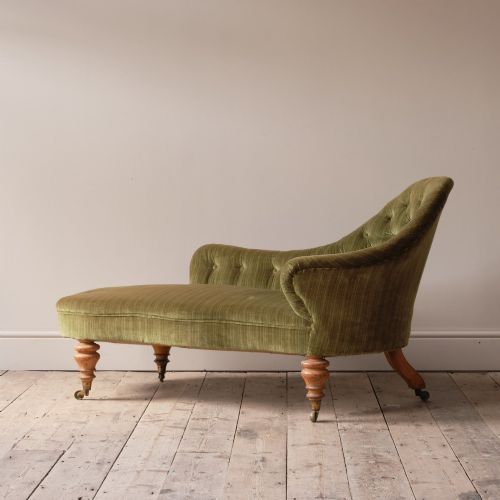
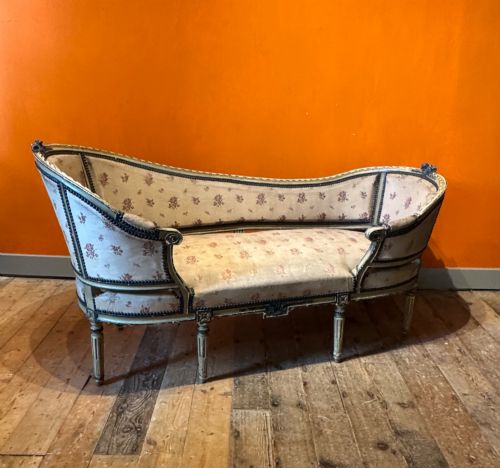
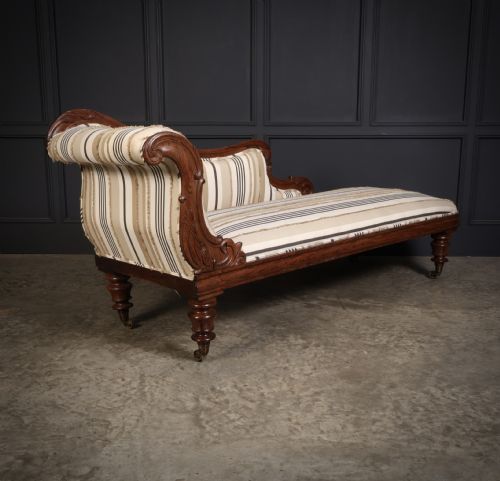
A vintage recamier offers an elegant place to recline, bringing classic forms like the chaise longue and daybed into modern interiors.
Vintage Recamier
When searching for a vintage recamier, collectors encounter a selection of daybeds and chaise longues spanning the nineteenth century through to the early twentieth century. These seating forms range from Regency mahogany frames and William IV rosewood designs to Victorian iterations and Surrealist creations from nineteen thirty.
The pieces appearing on this page include day bed long stools, French decorative daybeds, and early nineteenth century chaise longues created in the manner of Gillows. Each object provides a distinct architectural silhouette suited for sophisticated lounging spaces.
How they were made
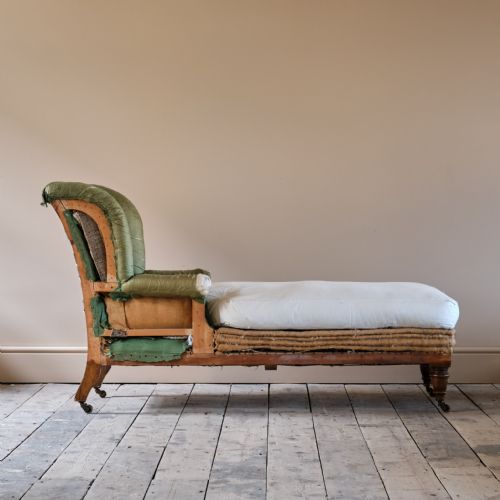
Cabinetmakers utilised rich timber varieties such as mahogany, rosewood, and ebonised wood to build sturdy foundational frames for these daybeds and chaise longues. These woods were often shaped into curving profiles characteristic of Regency and Victorian design traditions.
Upholstery techniques incorporated traditional fabrics, velvet, and satin to cover sprung or padded cushions, whilst other examples featured intricate cane panels integrated directly into the wooden framework alongside decorative brass accents.
Vintage Recamier Retail Price Guide 2026
Typical asking prices for vintage recamier among the pieces listed under this phrase on Sellingantiques today, from the lower quarter to the upper quarter. They describe what is for sale here now, not the wider market.
Listings feature pieces from the nineteenth century, Regency period, and nineteen thirty, utilising mahogany, rosewood, brass, and cane.
What varies in quality
The standard of a vintage recamier rests upon the refinement of its timber carving and the architectural integrity of the frame construction. Pieces displaying thoughtful proportions and precise stylistic details from makers working in established traditions command greater attention from discerning collectors.
The choice of covering material also defines the character of each daybed, where high-grade velvet, satin, or properly woven cane elevate the tactile experience. Quality is evident in how harmoniously the upholstery complements the underlying mahogany, rosewood, or ebonised wood structure.
The Vintage Recamier Glossary
- Chaise longue
- An upholstered sofa in the shape of a chair that is long enough to support the legs. This form serves as the primary seating type found within this selection.
- Daybed
- A couch that can be used for lounging, resting, or sleeping during daytime hours. It combines elements of both a bed and a bench.
- Regency
- An English stylistic period spanning the early nineteenth century defined by classical restraint and archaeological inspiration. Pieces from this era often feature rich mahogany timbers.
- Ebonised wood
- Timber treated with a dark finish to imitate expensive ebony wood. This technique creates a striking, formal appearance on nineteenth century frames.
- Cane
- Woven material made from the peeled bark of rattan palm. It provides a light, textured panel insert for day bed frames.
Vintage Recamier: Frequently Asked Questions
What is a vintage recamier?
A vintage recamier is a stylish daybed or chaise longue designed for reclining, taking its name from Madame Recamier whose portrait popularised the classical furniture form.
These pieces combine seating and lounging functions, making them versatile additions to drawing rooms and bedrooms alike.
How do I use a daybed at home?
Daybeds work well as alternative seating arrangements in large living spaces or as comfortable reading spots in studies and libraries.
They provide a functional surface for resting during the day while adding distinct historical character to a room's interior scheme.
Which woods appear most frequently?
Mahogany and rosewood form the primary structural timbers for the majority of nineteenth-century pieces listed in this collection.
Ebonised wood and cane also feature occasionally, offering contrasting dark finishes and lighter woven textures respectively.
How can I identify Regency style?
Regency furniture typically exhibits classical lines inspired by ancient Greece and Rome, often utilising solid mahogany and refined turning.
Pieces from this era reflect the design sensibilities prevalent during the early decades of the nineteenth century.