
Vintage Reading Table
A vintage reading table provides a dedicated surface for books, papers and study, bringing period character and practical function to a room.
Vintage Reading Table
A vintage reading table is designed to hold books, journals and writing materials at a convenient angle or height for use. The selection spans periods from the nineteenth century through the Edwardian era and the nineteen-thirties, reflecting diverse domestic habits of study and leisure.
The versions most commonly met on this page include adjustable stands, revolving bookcases, and occasional tables in mahogany, oak, and walnut. These pieces combine utilitarian surfaces with the decorative standards of Victorian, Edwardian, and Arts and Crafts design.
Makers utilised timber such as mahogany and oak alongside brass and silver plate to construct these functional items. The forms range from simple desk arrangements to revolving cases and pivoting lecterns.
Materials and Construction
Timbers such as mahogany, oak, and burr walnut form the structural carcass of wooden reading furniture, often finished with polished surfaces or inlaid details. Metal components frequently utilise brass, gilt bronze, and silver plate to provide structural strength and decorative contrast.
Joinery methods rely on traditional cabinet-making techniques, ensuring stability for pieces intended to bear the weight of heavy volumes. Adjustable mechanisms employ metal screws, hinges, and ratchets to allow changes in height or angle.
Materials recorded across the inventory include solid mahogany, oak, walnut, cast brass, silver plate, and early plastics such as Bakelite.
Judging Quality
The standard of a vintage reading table depends on the weight and gauge of its materials, from the thickness of the timber to the solidity of the cast brass. Superior examples exhibit crisp detail in their mounts, inlay, and turned columns.
Smooth operation of moving parts, such as revolving tiers or adjustable reading slopes, marks a well-made piece. The integrity of the original construction and the subtlety of decorative detailing distinguish the finer examples from standard production.
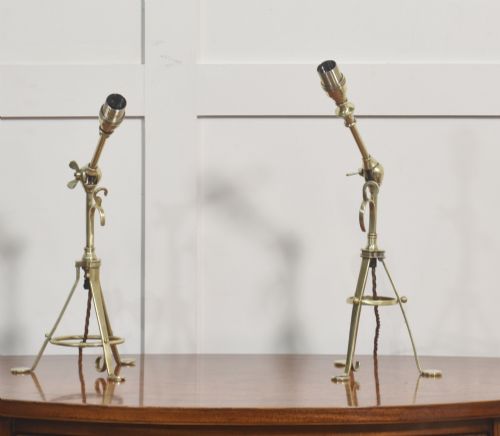
W.A.S. Benson
The Vintage Reading Table Glossary
- Revolving bookcase
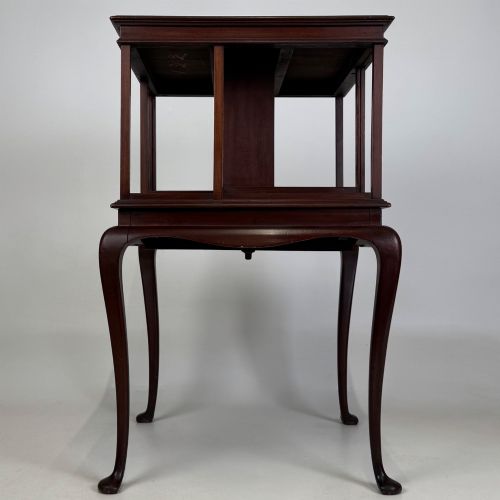
- A low bookcase mounted on a hidden rotating base that allows easy access to books from any seating position.
- Canterbury
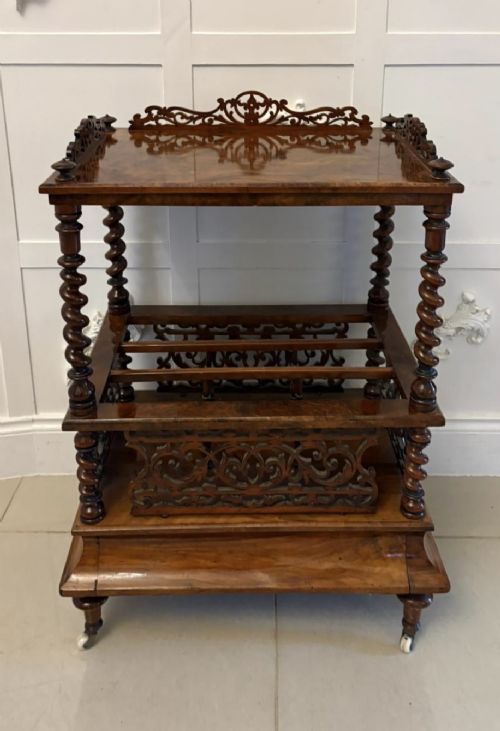
- A low stand featuring slatted divisions for holding sheet music, folios, or periodicals beneath a flat occasional table surface.
- Corinthian column
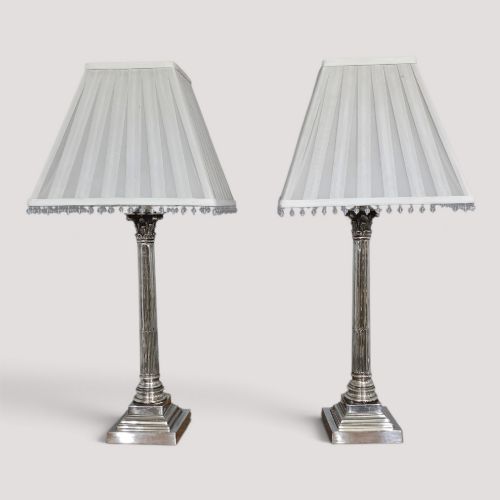
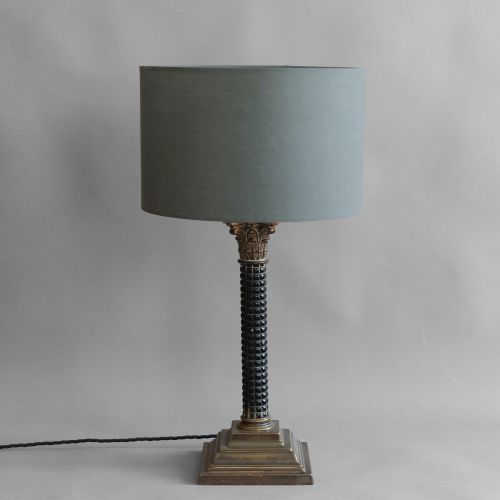
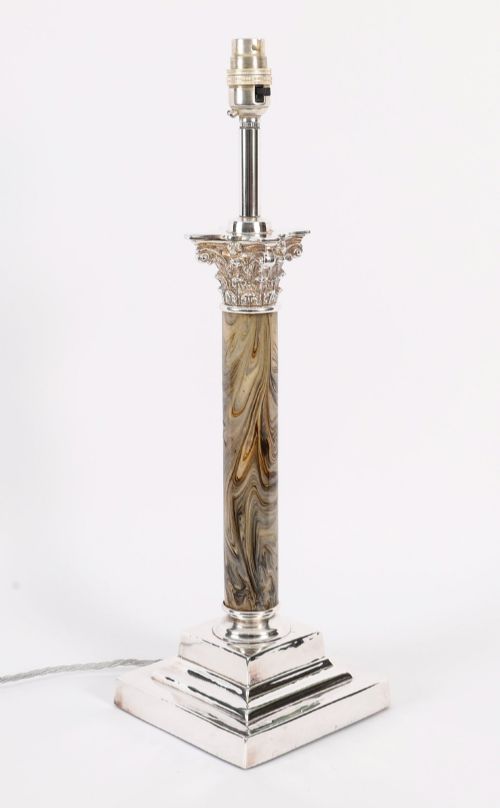
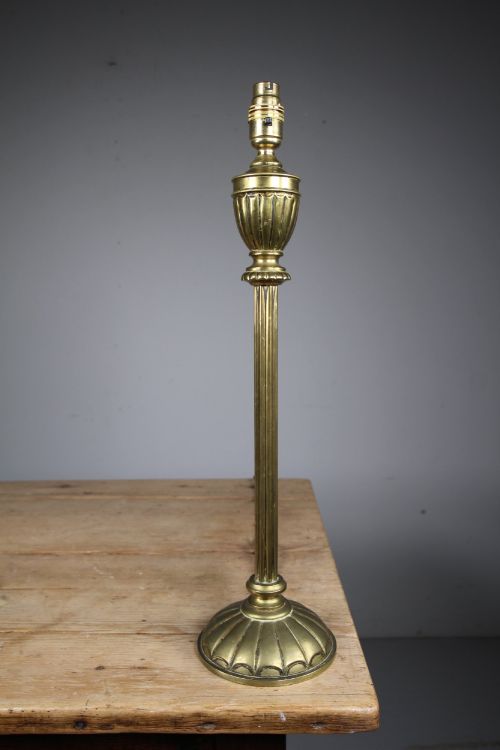
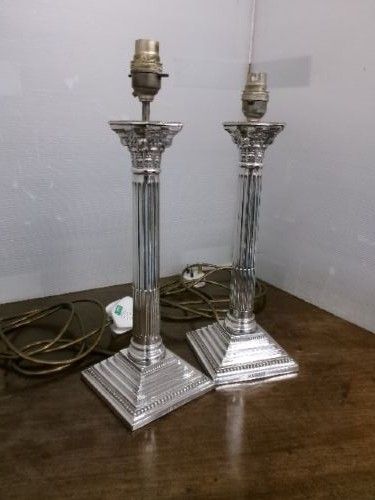
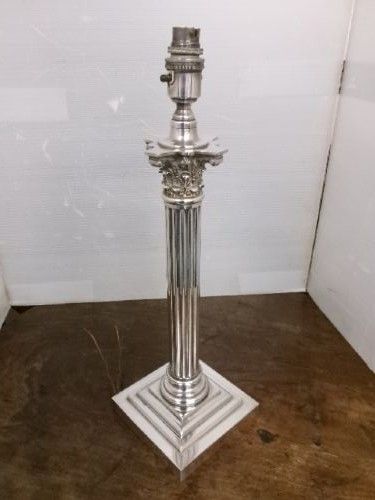
- An architectural column form utilised for lamp standards and supports, featuring an ornate capital decorated with acanthus leaves.
- Ormolu
- Gilt bronze mounted on decorative objects and furniture frames, providing a rich golden surface finish.
- Bakelite
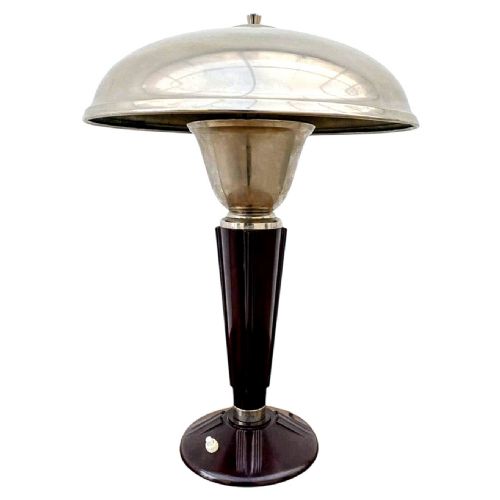
- An early synthetic phenol formaldehyde resin utilised for desk accessories and electrical fittings during the Art Deco period.
Vintage Reading Table: Frequently Asked Questions
How do I date a reading table?
Dating relies on identifying the prevailing stylistic traits, such as Victorian proportions, Edwardian inlay, or Art Deco geometric lines. Construction methods and timber choices further clarify the period of origin.
Secondary indicators include metal fixings, locking mechanisms, and the presence of maker marks or registration numbers stamped into the wood or brass.
Were these tables used in libraries?
While many examples served in grand home libraries, others were designed for studies, drawing rooms, and offices. Adjustable lecterns and reading stands accommodated the daily study of large reference volumes.
Smaller revolving bookcases and occasional tables placed beside armchairs provided convenient access to novels and periodicals within domestic living spaces.
Can adjustable reading stands still move?
Most surviving adjustable mechanisms remain operational, though old lubricants can stiffen the joints over time. Careful cleaning and gentle handling usually restore full movement to ratchets and screws.
It is advisable to support the weight of the reading slope by hand when adjusting the angle to prevent undue stress on the brass or iron hinges.
How should I care for timber and brass?
Wood surfaces benefit from periodic applications of beeswax to nourish the grain and protect the finish from drying out. Avoid harsh chemical polishes that can strip antique patination.
Brass and silver-plated elements require only gentle dusting or specialist metal care appropriate for the specific plating to maintain their appearance without abrasion.