



Vintage Rattan Seating
These vintage rattan seating pieces bring organic texture and architectural form into a room.
Vintage Rattan Seating
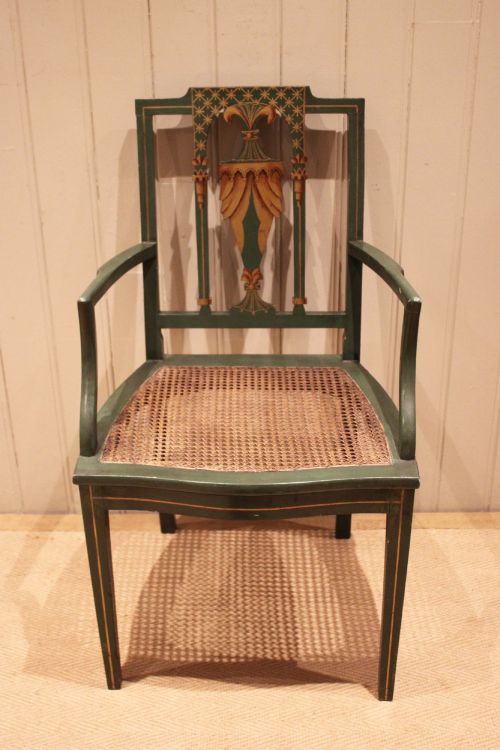
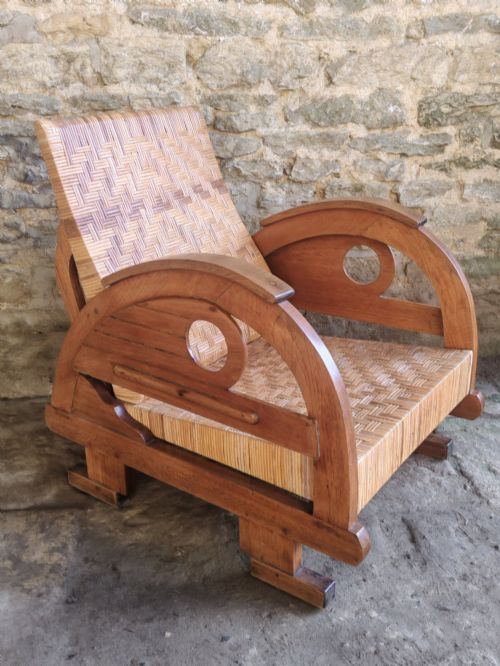
Vintage rattan seating encompasses armchairs, daybeds, sofas, settees, and stools produced across the nineteenth and twentieth centuries. Buyers searching for vintage rattan seating often encounter items ranging from early nineteenth-century Regency and Hepplewhite style cane chairs to 1930s Art Deco designs and mid-century rustic pieces.
How they were made
Construction relies heavily on natural materials like rattan, cane, wood, and mahogany, often enhanced by brass details, painted finishes, or ebonised wood. Frames are constructed from sturdy timbers such as mahogany or teak, providing a rigid structural skeleton to support the flexible woven seating and back panels.
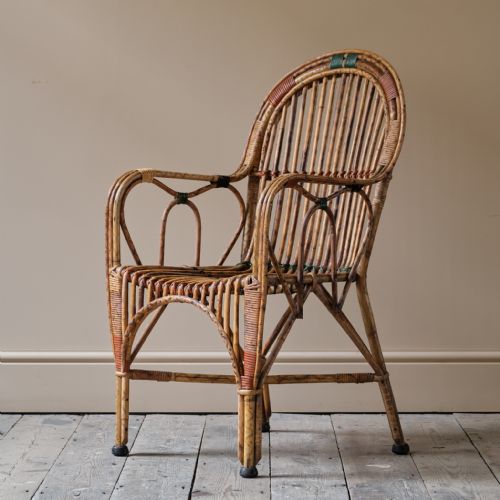
Weaving techniques utilise pliable plant fibres threaded through drilled frame holes or wrapped securely around bentwood and wicker frameworks. Artisans shape these organic materials by hand, securing joints with traditional joinery methods that allow the woven elements to bear weight while retaining elasticity.
Vintage Rattan Seating Retail Price Guide 2026
Typical asking prices for vintage rattan seating among the pieces listed under this phrase on Sellingantiques today, from the lower quarter to the upper quarter. They describe what is for sale here now, not the wider market.
The listings span from the nineteenth century through the 1940s, incorporating materials like mahogany, brass, and ebonised wood alongside standard cane.
What varies in quality
Quality in these pieces is determined by the tightness and regularity of the weave and the structural integrity of the timber frame. Superior examples demonstrate expert drawing in the frame proportions, such as well-balanced bergere library chairs, alongside fine, unbroken cane or rattan strands.
The distinction between standard production and exceptional work lies in the refinement of the carved or ebonised wood details and the retention of original maker identity, like marked pieces from established workshops.
Dryad And Co·Dryad Of Leicester·Thonet
The Vintage Rattan Seating Glossary
- Ebonised
- Wood treated with a chemical stain or black finish to imitate expensive ebony. This technique was popular in nineteenth-century furniture design for creating high-contrast surfaces.
- Caning
- A method of weaving peeled rattan or split cane into open mesh patterns for chair seats and backs. It provides flexible, breathable support.
- Bentwood
- Wood rendered pliable by steaming or boiling, then bent into curved forms. This technique defined the production methods of manufacturers like Thonet.
Vintage Rattan Seating: Frequently Asked Questions
How do I clean vintage rattan?
Dust the woven surfaces regularly with a soft brush or vacuum attachment to prevent dirt from settling between the fibres. Wipe occasionally with a slightly damp cloth, ensuring the natural material dries completely afterwards.
Avoid soaking the rattan or using harsh chemical detergents, as excess moisture causes the fibres to become brittle and snap over time.
Can I use these chairs outdoors?
These historical pieces are designed strictly for interior use and lack modern weather-resistant treatments. Exposure to rain, direct sunlight, and fluctuating outdoor temperatures will quickly degrade the natural wood and woven fibres.
Keep them in climate-controlled indoor spaces to preserve the integrity of the antique cane, rattan, and timber frames.
How do I date a piece?
Examine the timber species, joinery methods, and overall stylistic characteristics to establish a chronological baseline. For instance, Regency and Edwardian pieces exhibit distinct proportions and decorative motifs typical of their respective eras.
Look for maker stamps, labels, or structural markers that tie the construction to specific manufacturing periods or known workshops.
Are replacement cushions necessary?
Many historical armchairs and daybeds were originally designed to accommodate loose squabs or seat pads for comfort. Finding pieces with complementary upholstery can enhance usability while respecting the original aesthetic.
Ensure any added cushions fit the proportions of the frame without obscuring the defining wooden or woven details.