



Vintage Railway Art
Vintage railway art spans paintings, lamps, posters, and architectural salvage from the early twentieth century onwards, offering authentic transport history for your home.
Vintage Railway Art
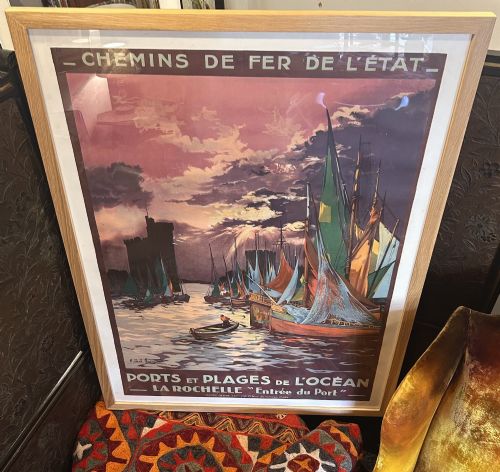
Vintage railway art encompasses a diverse array of items from paintings and posters to architectural salvage and functional carriage fittings. When searching for vintage railway art, you encounter everything from French railway posters and oil on board paintings to brass Pullman lamps and carriage doors.
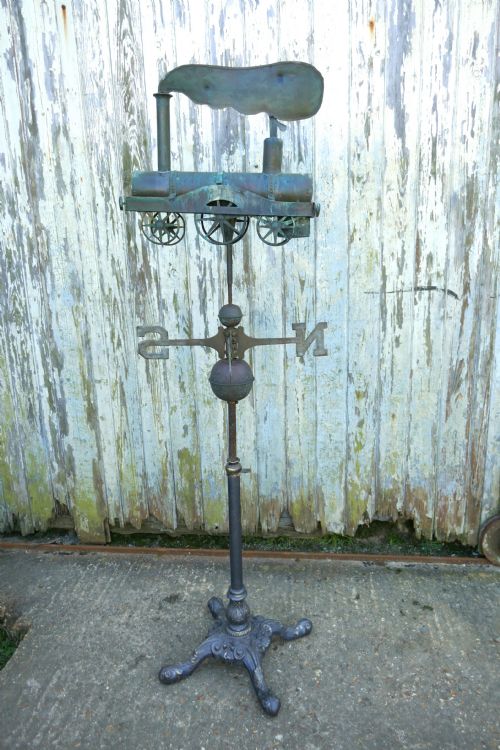
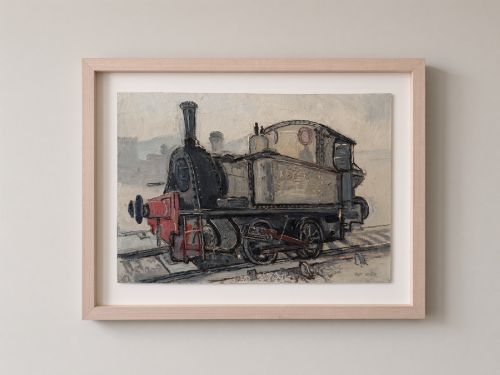
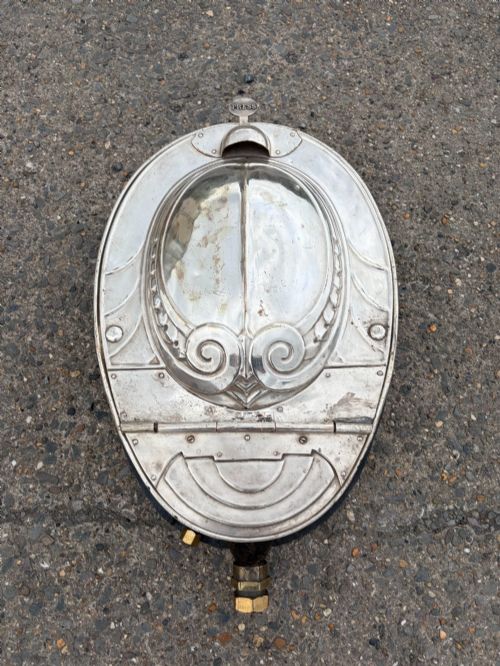
The objects span multiple periods, most notably the Edwardian era, the interwar years, and the mid-century period. Pieces range from fine art depictions of locomotives and engineering works to tangible fragments of train interiors like silver plate sinks and luggage racks.
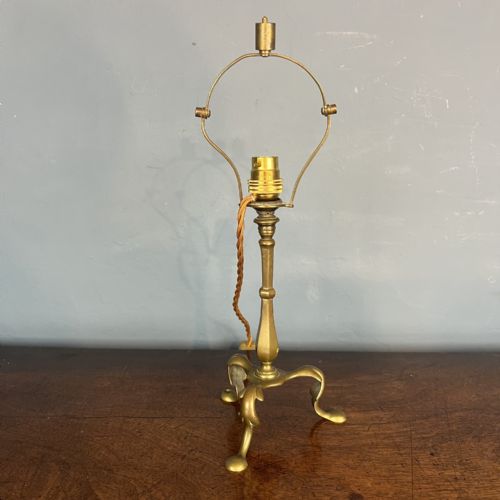
You are most likely to meet decorative lighting such as Pullman lamps, alongside wall art and structural elements like carriage doors with glass panels. These works reflect the industrial expansion and design shifts of the twentieth century.
Materials and methods
Brass and silver plate feature prominently in functional fittings and lighting, often paired with glass elements in styles ranging from Art Nouveau to Art Deco. These metals provided durability and a polished finish suitable for first-class carriages and dining cars.
Wood and paper appear in structural elements like oak carriage doors and French railway posters, while artists utilised oil on board and copper relief plaques to capture locomotives and engineering scenes.
Vintage Railway Art Retail Price Guide 2026
Typical asking prices for vintage railway art among the pieces listed under this phrase on Sellingantiques today, from the lower quarter to the upper quarter. They describe what is for sale here now, not the wider market.
The listings show items spanning from 1900 through the 1960s, incorporating brass, glass, wood, and oil on board.
Assessing quality
Quality in these pieces rests upon the integrity of the materials, the fidelity of the craftsmanship, and the historical provenance of the object. Items originating directly from named railway services or created by recognised artists command particular attention.
Artistic execution in paintings and relief plaques distinguishes mass production from skilled studio work, while physical hardware shows distinction in the weight of the metal and the precision of the mechanics.
Fred Yates·Henry J Neave
The Vintage Railway Art Glossary
- Pullman lamp
- A specialised lighting fixture designed for use on luxury railway carriages, frequently constructed from brass and configured for secure mounting. These lamps often display distinct decorative styling from the Edwardian or Art Deco periods.
- Silver plate
- A thin layer of silver applied to a base metal object such as a wash basin or sink. This technique offered the appearance of solid silver for railway carriage amenities.
- Oil on board
- A painting created by applying oil paint directly onto a rigid wooden or composite board substrate. This medium was frequently utilised by mid-century British artists for landscape and industrial scenes.
- Architectural salvage
- Building components and fittings rescued from structures or vehicles slated for demolition or scrapping. In this context, it includes carriage doors, sinks, and structural elements from stations.
Vintage Railway Art: Frequently Asked Questions
What is vintage railway art?
Vintage railway art encompasses a wide range of objects connected to the history of trains and travel, including paintings, posters, architectural salvage, and interior carriage fittings.
These pieces capture the design aesthetics and industrial engineering of the twentieth century, providing a tangible link to the golden age of rail travel.
How were Pullman lamps used?
Pullman lamps were installed inside luxury railway carriages to provide secure and elegant illumination for passengers during journeys.
Their robust construction in brass ensured they could withstand the constant movement and vibrations of the train while maintaining a decorative appearance.
How do I date railway items?
Dating these pieces involves examining the materials, construction methods, and stylistic influences such as Art Nouveau or Art Deco. Makers' marks, specific railway company associations, and documented periods of manufacture also help establish an accurate timeline.
Artworks often carry signatures or exhibition dates that place them within specific decades of the twentieth century.