



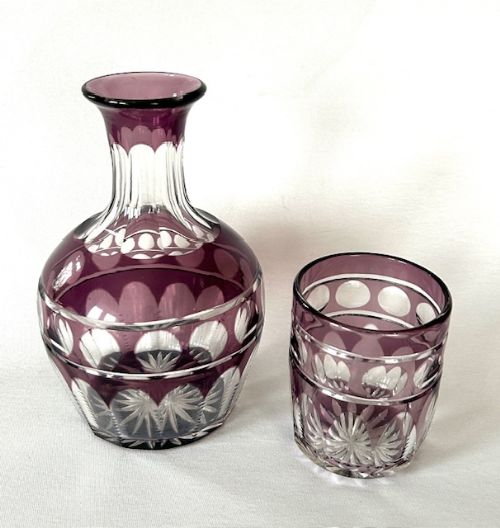

Vintage Purple Glass
Vintage purple glass brings together deep amethyst tones and striking decorative forms across jewellery, lighting and vessels from past centuries.
Vintage Purple Glass
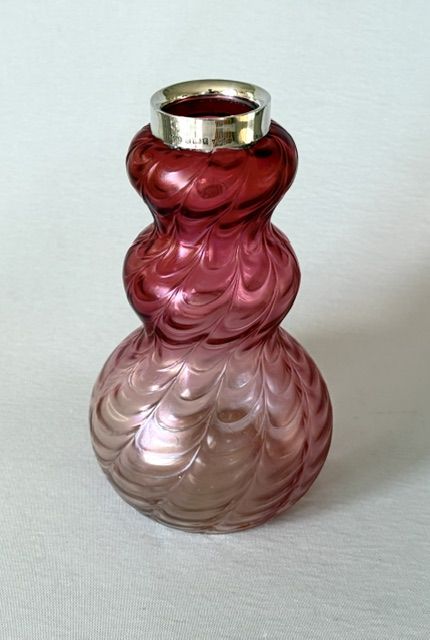
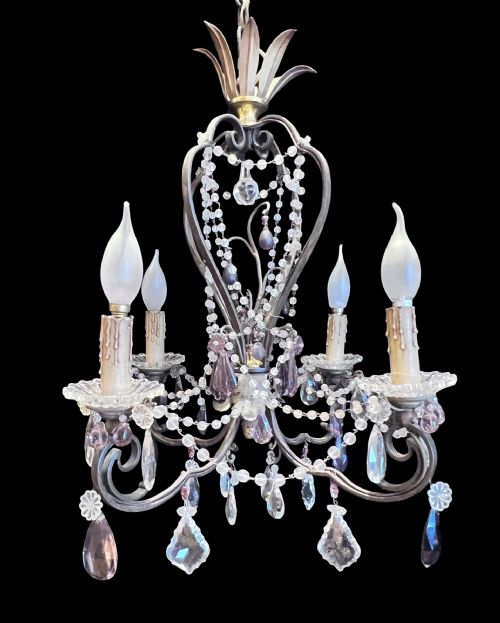
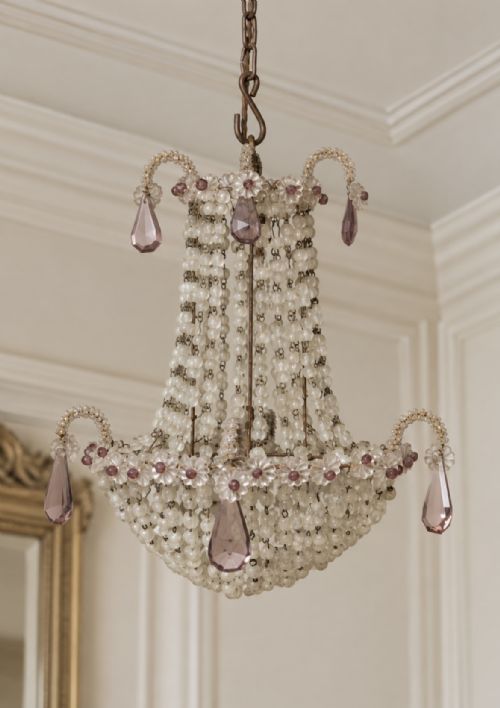
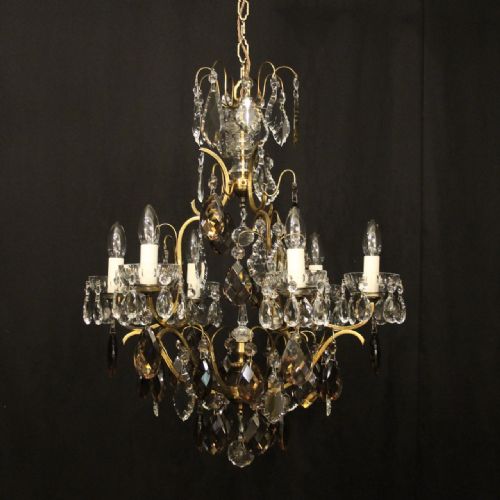
Vintage purple glass encompasses a broad spectrum of decorative objects, from ornate French chandeliers and heavy English vases to delicate Art Deco jewellery sets. Pieces span multiple periods including the Victorian era, the Edwardian years and the height of Art Deco design.
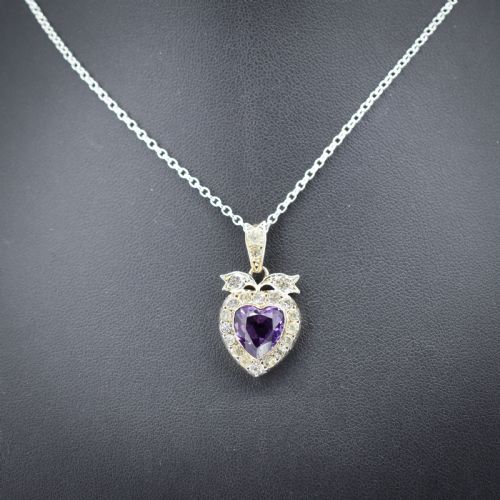
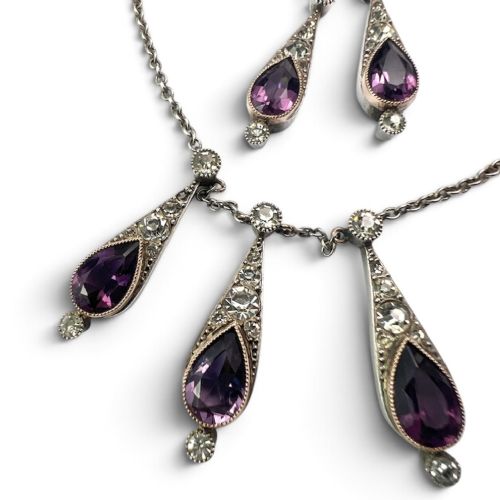
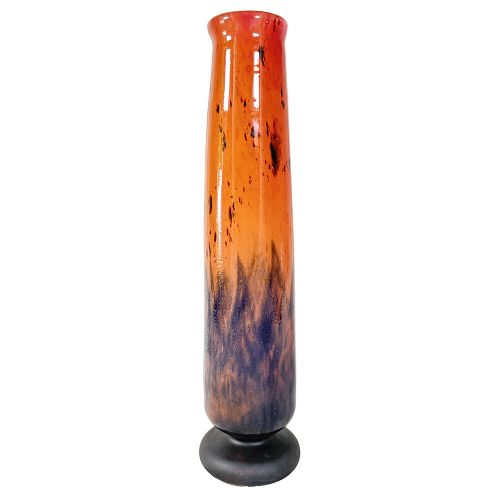
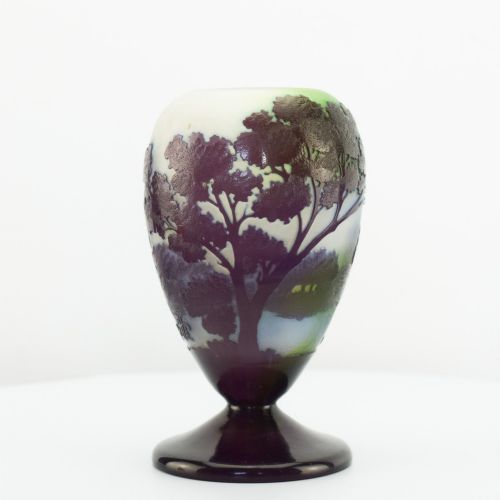
Buyers encountering this phrase will find a strong representation of glassware alongside mounted silver pieces, crystal pendants and gold jewellery incorporating amethyst-coloured paste. Forms range from utilitarian items like scent bottles and egg cups to major display pieces such as cameo glass vases.
How vintage purple glass was made
The creation of these pieces relies heavily on glass-working techniques combined with precious metal mounts in sterling silver, gold and gilded brass. Makers utilised cameo layering, enamel work and pate de verre casting to achieve rich colour saturation and textured surfaces.
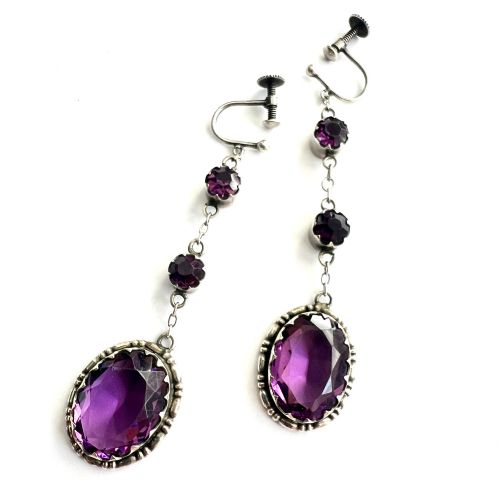
Lighting fixtures and vessels frequently integrate crystal and brass elements alongside blown or moulded purple glass bodies. Jewellery items combine coloured paste stones with gold and silver settings to mimic the appearance of genuine gemstones.
Vintage Purple Glass Retail Price Guide 2026
Typical asking prices for vintage purple glass among the pieces listed under this phrase on Sellingantiques today, from the lower quarter to the upper quarter. They describe what is for sale here now, not the wider market.
Listings feature items spanning the Victorian era through the 1940s, utilising materials such as crystal, sterling silver, gold and brass.
What varies in quality in vintage purple glass
Quality in these items is determined by the depth and clarity of the glass colour and the precision of the manufacturing technique, such as the crispness of cameo carving or the complexity of pate de verre. Finer examples display superior control over thermal treatments during cooling and sophisticated handling of gradients and inclusions.
The integrity of the metal mounts and settings also dictates overall standard, with heavy cast silver, solid gold or detailed gilded brass elevating a piece significantly above simpler mountings. Maker attribution and the complexity of decorative motifs further separate standard production items from masterworks.
Daum·Galle·Baccarat·Schneider·Loetz·René Lalique·Gabriel Argy-Rousseau·Karl Palda·Monart
The Vintage Purple Glass Glossary
- Amethyst glass
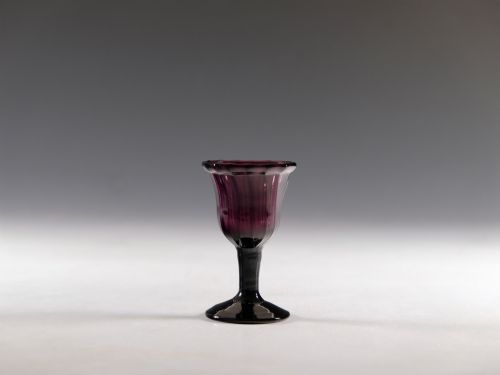
- Glass coloured to resemble the purple quartz gemstone, achieved through the addition of manganese or other metallic oxides during the melting process. This hue appears widely in Victorian and Edwardian tableware and decorative objects.
- Paste glass
- A heavy, highly refractive type of lead glass cut and polished to imitate gemstones in jewellery. It is frequently found in rings, pendants and earrings dating from the Georgian period through the Art Deco era.
- Cameo glass
- An ancient technique revived in the nineteenth and twentieth centuries, involving at least two distinct layers of coloured glass fused together. The outer layer is partially carved away to leave a raised design in contrast to the background.
- Pate de verre
- A glass-casting method where finely crushed glass is mixed with a binder and fired in a mould. This technique produces dense, softly textured objects with mottled colour effects popular in Art Deco design.
- Roemer
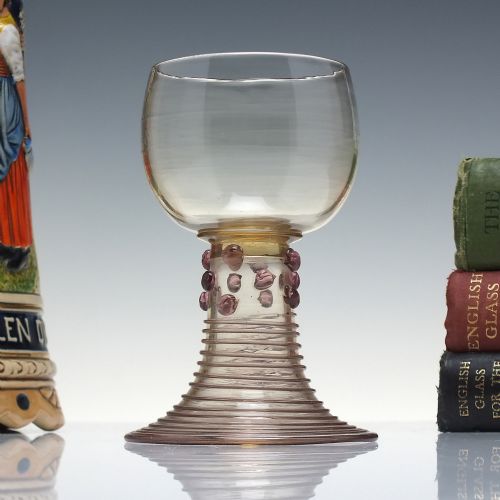
- A traditional Germanic wine glass featuring a wide bowl atop a cylindrical stem decorated with applied prunts. The evidence records examples incorporating coloured bowls such as amber combined with purple bases.
Vintage Purple Glass: Frequently Asked Questions
What is vintage purple glass?
Vintage purple glass refers to decorative objects, lighting, vessels and jewellery produced in shades ranging from deep violet to pale amethyst across the nineteenth and twentieth centuries.
Items encompass both functional tableware and purely ornamental pieces created by prominent glasshouses and independent makers.
How do I date purple glass?
Dating relies on examining stylistic markers such as Art Deco geometric lines, Art Nouveau organic curves or Victorian ornamentation. Metal mounts, hallmarks and manufacturing techniques also provide precise chronological indicators.
Comparing the base material and mounting style against documented examples helps establish the period of manufacture.
How should I clean purple glass?
Cleaning requires warm water and mild soap applied with a soft cloth to protect the surface and any mounted metals. Harsh chemical cleaners and abrasive sponges must be avoided to prevent scratching the glass or damaging applied patinas.
Pieces with delicate enamel or gilt details demand extra care to preserve the original decoration.
Is amethyst glass the same as purple glass?
Amethyst glass is a specific type of purple glass coloured specifically to mimic the gemstone of the same name. The term describes the particular shade rather than a different material composition.
All amethyst glass is purple, but purple glass can encompass wider tonal variations including magenta and blue-violet hues.