


Vintage Pub Seating
Vintage pub seating brings together robust tavern stools, benches, and Windsor chairs that served everyday civic life.
Vintage Pub Seating
Vintage pub seating encompasses utilitarian furniture built for commercial hospitality, domestic utility, and working environments. When you browse vintage pub seating, you encounter pieces designed to withstand heavy daily use in taprooms, inns, and municipal settings.
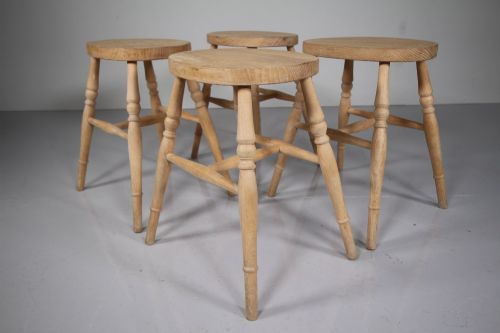
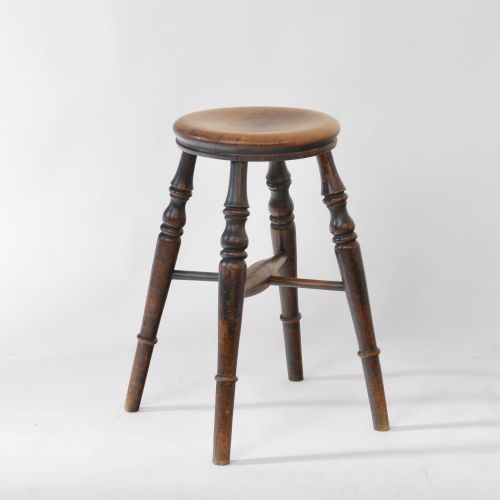
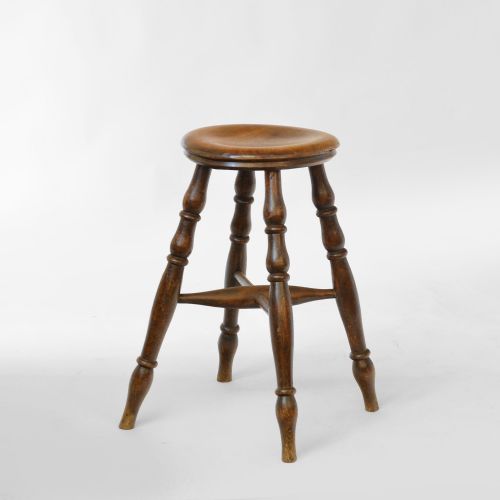
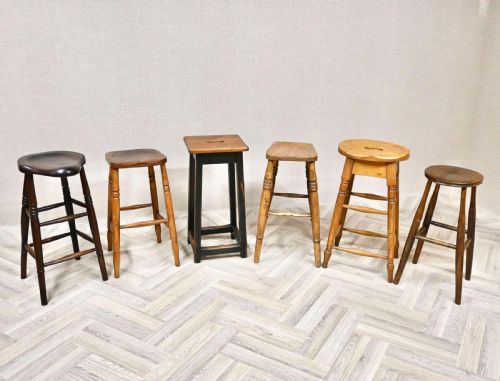
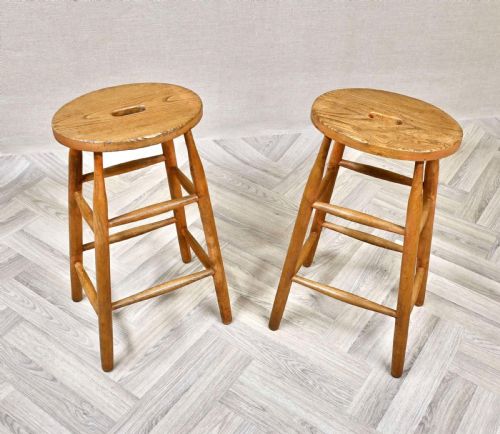
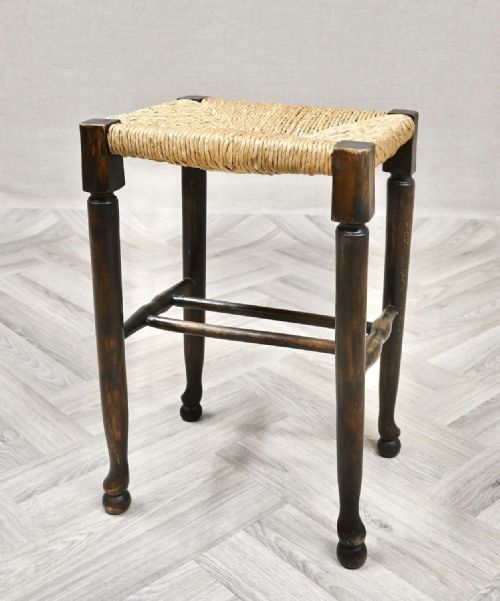
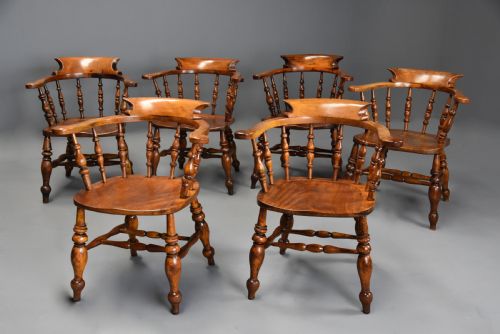
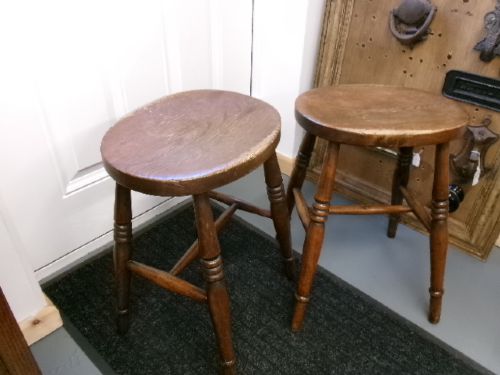
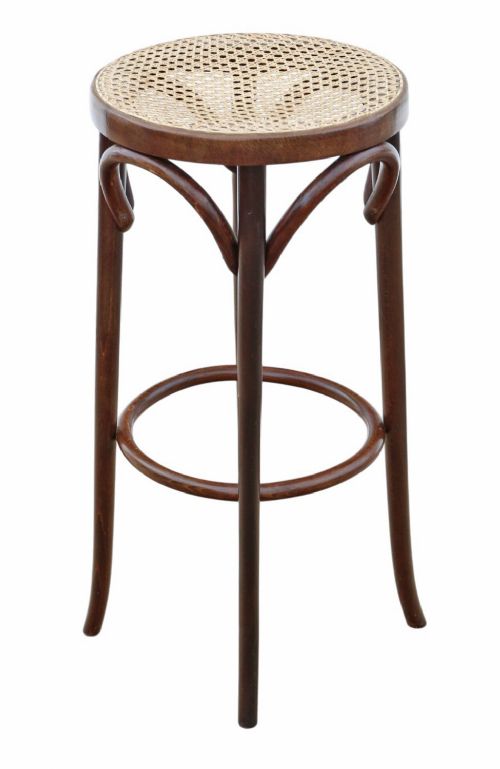
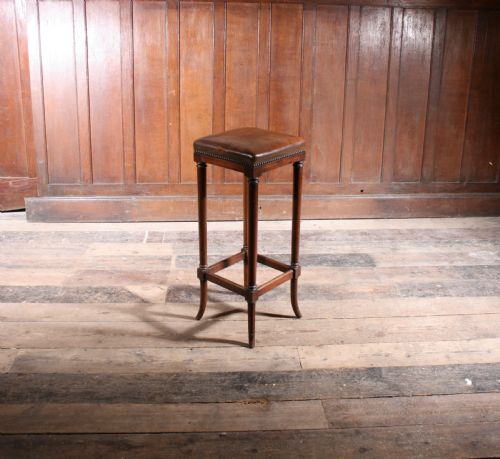
Stools dominate the selection, ranging from low tavern seats to tall bar stools and clerk's stools. You also find larger forms such as benches, smokers bow armchairs, and dining chairs originating from the nineteenth and early twentieth centuries.
The aesthetic leans toward functional country styles, including Victorian Country, Rustic Farmhouse, and European Bistro forms. These pieces reflect the straightforward craftsmanship of past centuries, prioritising utility above ornamentation.
How they were made
Makers constructed these items using resilient domestic hardwoods suited to sustained use. Elm, beech, oak, ash, and sycamore provide the primary structural integrity, often paired with pine for secondary components and leather for upholstery.
Turned wooden members, bentwood techniques, and dished solid wood tops define the manufacturing methods. Joinery relies on traditional pegging and spindle construction designed to endure constant movement and weight in busy public spaces.
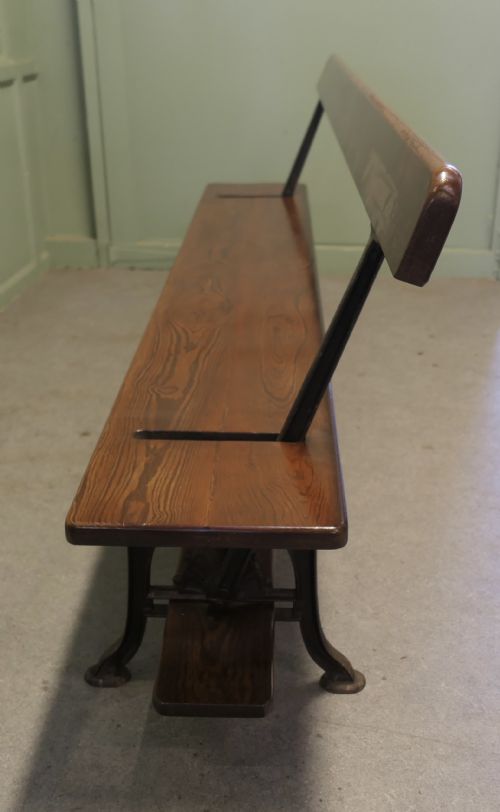
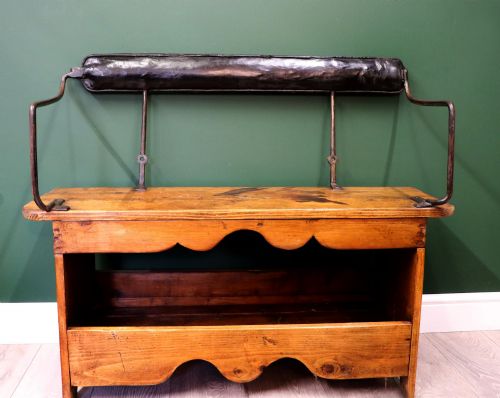
Tram and trolley bus passengers once sat on the exact reversible bench design featured here.
What varies in quality
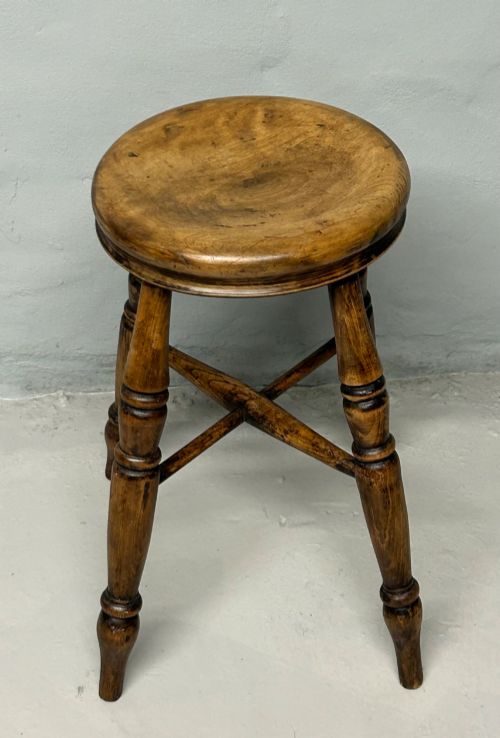
The integrity of the timber and the depth of the patination set individual examples apart. Dished seats carved from single blocks of elm or sycamore demonstrate superior handling compared to flat board alternatives.
Original surface preservation distinguishes exceptional pieces from heavily restored ones. Retaining the authentic marks of tavern use on a beech frame or a leather seat adds character that mechanical sanding removes.
The Vintage Pub Seating Glossary
- Smokers bow
- A sturdy low-backed Windsor armchair featuring a rounded continuous arm rail, popular in nineteenth-century taverns. This form provided comfortable seating for patrons relaxing with pipes.
- Bentwood
- Wood softened by steam and bent into curved structural forms, characteristic of café and bar furniture from the late nineteenth and early twentieth centuries. This technique created light yet strong frames.
- Dished top
- A wooden seat carved into a shallow concave depression for comfort. This shaping is frequently found on nineteenth-century tavern and bar stools.
- Clerk's stool
- A tall, turned-leg wooden seat designed for high desks in offices and counting houses. These pieces often feature foot rails for stability during long working hours.
Vintage Pub Seating: Frequently Asked Questions
What defines vintage pub seating?
Vintage pub seating comprises sturdy stools, benches, and chairs built for nineteenth and early twentieth-century hospitality and commercial interiors. These pieces rely on utilitarian construction and hardwearing timbers.
Such furniture prioritised function for patrons in taprooms, inns, and civic spaces, resulting in unpretentious forms designed to endure constant daily use.
How do I use bar stools at home?
Tall bar stools and clerk's stools fit naturally against kitchen islands, breakfast bars, and high tables. Their narrow footprints make them practical for smaller rooms.
Pairing mismatched nineteenth-century wooden stools introduces textural variety to contemporary spaces without cluttering the floor plan.
Are these seats comfortable for daily use?
Many tavern stools and chairs feature ergonomically dished wooden seats shaped to fit the body. While lacking modern cushioning, they offer solid support.
Certain examples include leather pads or supportive arm rails like those on smokers bow chairs for extended sitting.
How do I care for wooden tavern furniture?
Maintain the wood by applying natural wax periodically to nourish dry grain and protect the historical surface. Avoid placing pieces near direct heat sources.
Gentle dusting preserves the accumulated patination and honest wear acquired over decades of public use.