




Vintage Prism Light
A vintage prism light refracts candlelight or electric illumination through cut glass and crystal, bringing sparkle to a ceiling.
Vintage Prism Light
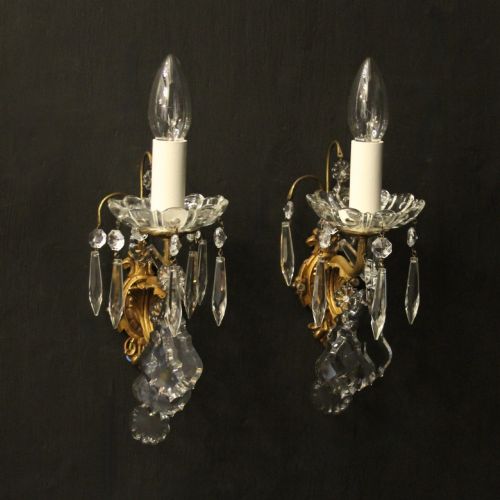
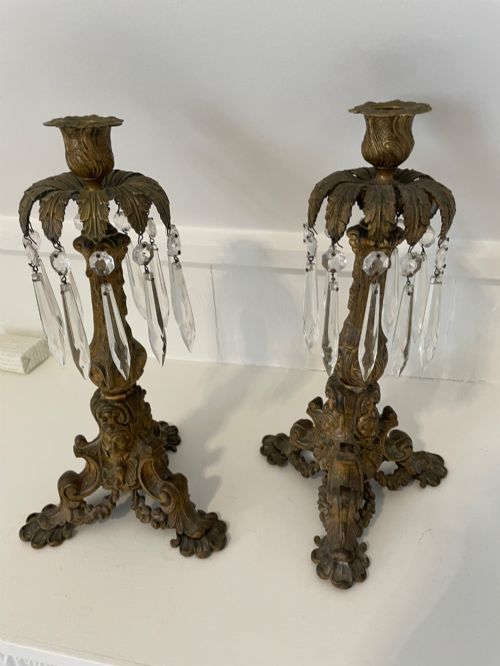
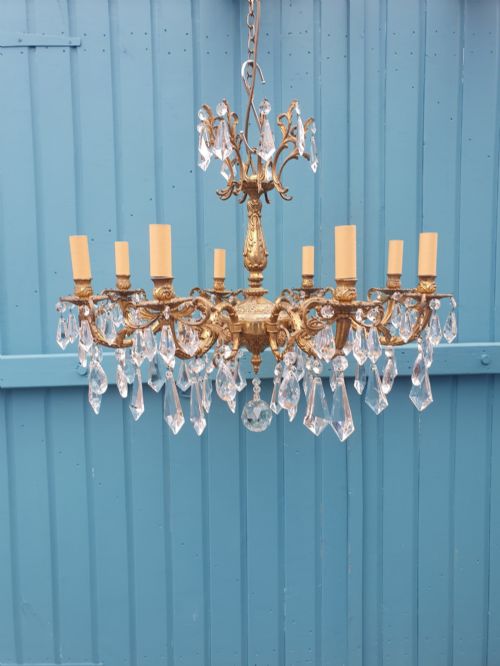
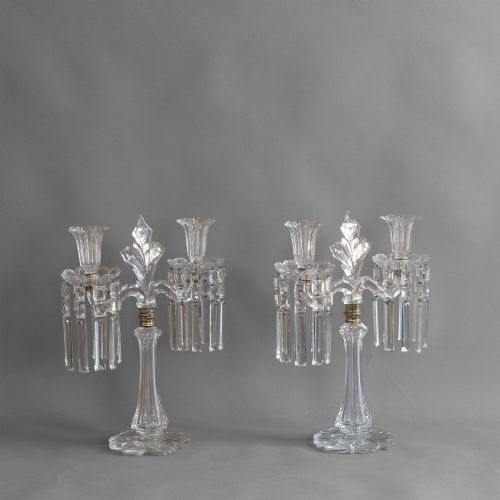
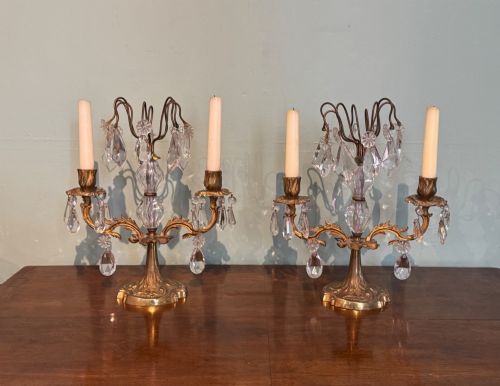
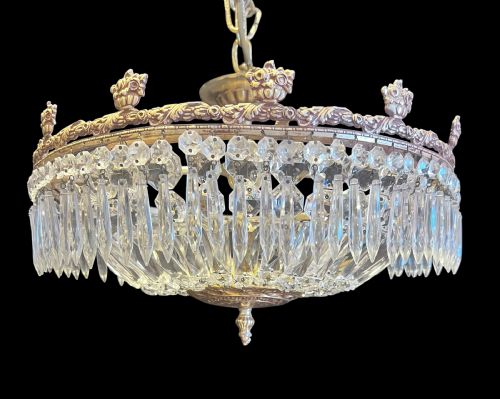
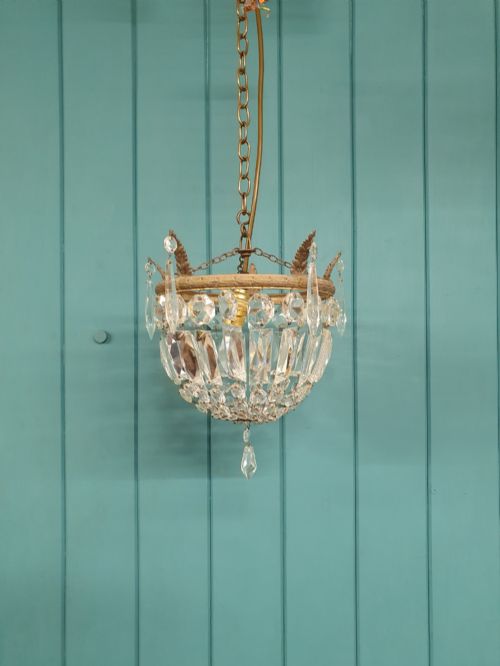
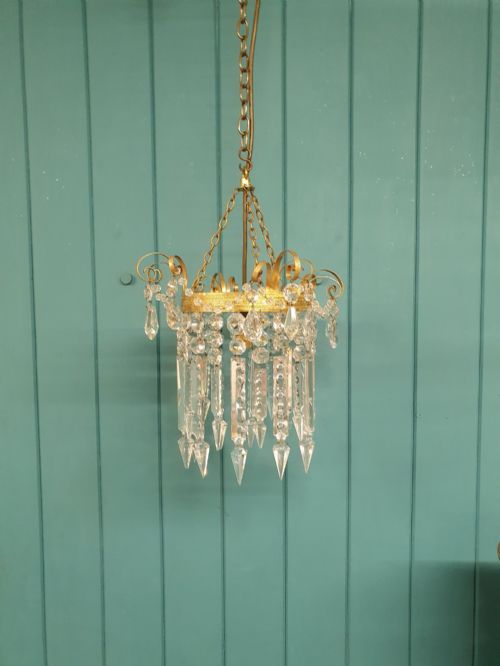
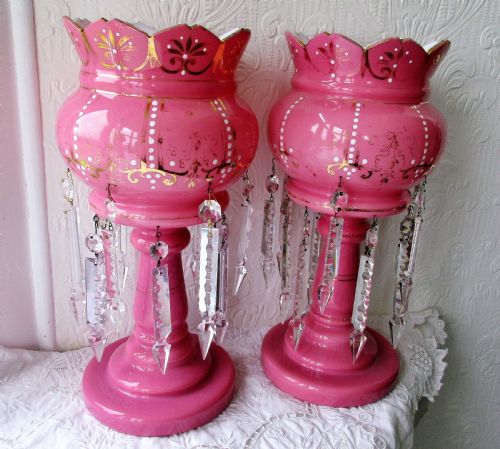
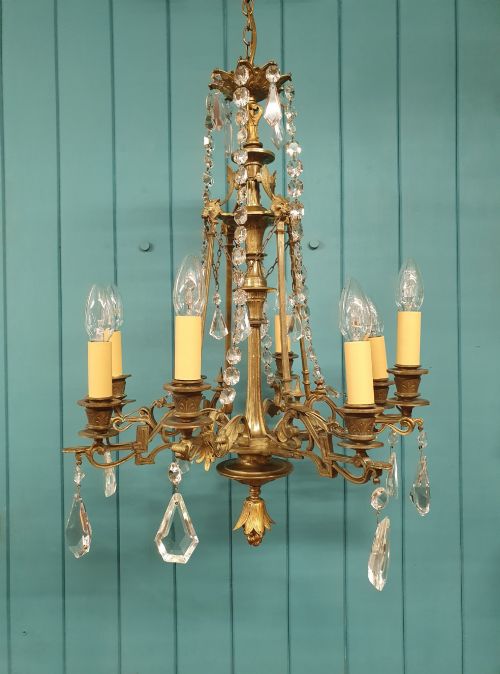
A vintage prism light gathers examples ranging from Victorian and Edwardian pieces to early 20th-century creations, including Art Deco designs. Buyers searching for a vintage prism light will most commonly encounter chandeliers, pendant lights, and wall lights alongside table lustres and candelabras.
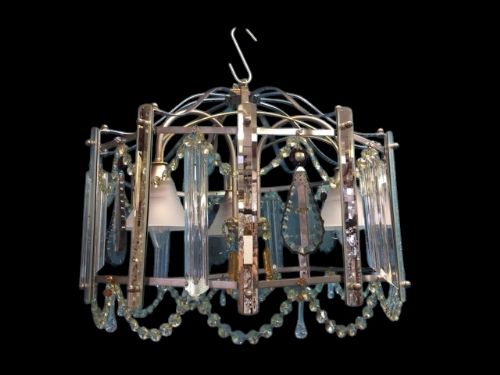
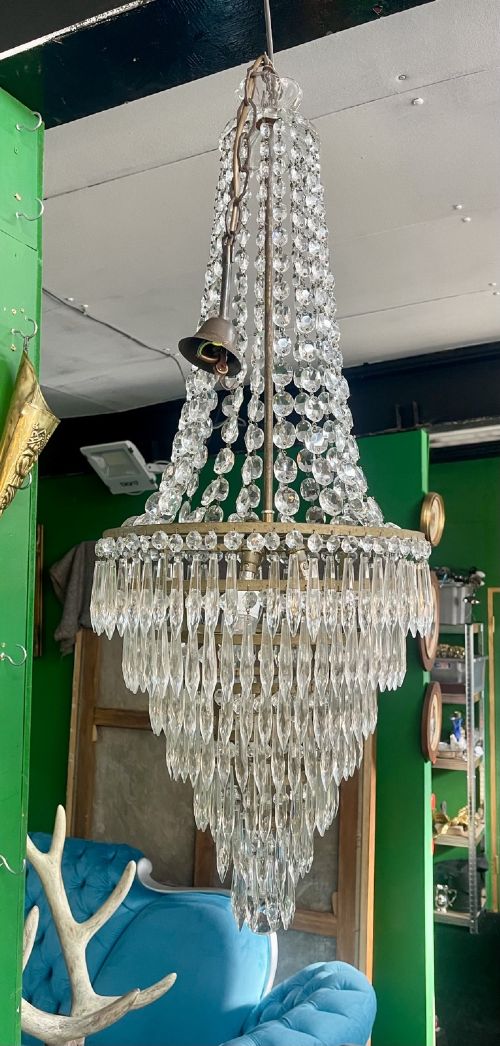
The selections span English and French aesthetics, taking forms such as basket chandeliers, tent and waterfall structures, and simple ceiling drops. These items originate from periods running from the late 19th century through the 1930s, utilising hanging glass elements to catch the light.
Materials and construction
Makers built these fixtures using brass, gilt brass, gilt metal, and gilded bronze for the structural frames, mounting glass components securely to the metal armature. Frames range from simple circular brass bands to elaborate French Empire style or rococo cast metal assemblies.
Hanging elements consist of cut glass, cut crystal, and crystal glass, shaped into coffin prisms, spikes, beads, or long drops and suspended with small metal rings or wire ties. Lustres and candelabras pair these reflective glass drops with sturdy brass or ceramic bases.
Vintage Prism Light Retail Price Guide 2026
Typical asking prices for vintage prism light among the pieces listed under this phrase on Sellingantiques today, from the lower quarter to the upper quarter. They describe what is for sale here now, not the wider market.
Lion masks peer out from select Edwardian brass frames, guarding the crystal drops above.
Distinctions in quality
Quality rests on the depth of hand-cutting on the glass and crystal drops, where sharper facets yield a clearer, more brilliant refraction of light. Heavier cast brass or gilded bronze frames with chased details, such as lion masks, indicate higher manufacturing standards than pressed sheet metal equivalents.
The completeness and uniformity of the prism fringe or bead swags dictate the visual harmony of the piece. Matching components throughout a chandelier or wall light show greater original care than mismatched replacement drops.
The Vintage Prism Light Glossary
- Prism
- A cut glass or crystal pendant designed to refract light. Prisms hang from the arms or frames of chandeliers and lustres.
- Lustre
- A decorative tabletop ornament featuring hanging glass drops attached to a central stem. Victorian examples often incorporate pink or coloured glass.
- Waterfall
- A cascading tier of glass drops arranged in overlapping rows. This form creates a dense sheet of crystal beneath the main frame.
- Plafonniere
- A ceiling light mounted flush or close to the surface. These fixtures diffuse illumination through glass panels or crystal drops.
Vintage Prism Light: Frequently Asked Questions
How do I clean a vintage prism light?
Remove the glass drops individually if possible and wash them in warm soapy water using a mild detergent. Dry each piece thoroughly with a lint-free cloth before rehanging them on the metal frame.
Wipe the brass or bronze armature with a soft, dry cloth to remove dust without disturbing the metal patina. Avoid harsh chemical cleaners that can strip gilt finishes or damage old glass surfaces.
Are these lights suitable for low ceilings?
Compact designs such as small plafonnieres, bag chandeliers, and close-mount pendant lights fit rooms with restricted vertical clearance. These shorter fixtures keep the hanging prisms safely above head height while providing decorative sparkle.
Larger tent and waterfall chandeliers require higher ceilings to accommodate their drop length and visual weight. Measure the room height carefully before selecting a multi-tiered fixture.
How do I identify the period of a prism light?
Examine the metal casting quality, structural wiring holes, and the specific shape of the glass drops to determine age. Edwardian and 1930s pieces often feature lighter brass frames and machine-cut coffin prisms, whereas 19th-century examples tend to show heavier bronze casting and hand-finished glass.
Stylistic cues also point to eras, such as geometric brass work indicating Art Deco or heavy gilt bronze pointing to French Empire influences.
Can I convert these lights for modern electric use?
Many vintage ceiling lights and wall lights accommodate modern internal wiring while retaining their original exterior sockets and frames. Professional rewiring ensures the fixture meets current safety standards without altering its outward appearance.
Table lustres and candelabras generally remain decorative objects meant for candles, though some models historically featured storm shades.