



Vintage Pressed Flowers
Vintage pressed flowers bring genuine botanical studies and delicate pressed specimens into a room, offering immediate connection to historic craft.
Vintage Pressed Flowers
Vintage pressed flowers encompass framed artwork, botanical specimens, and timber flower presses from the Georgian period to the twentieth century. These pieces capture historical interest in natural history, utilising traditional botanical arrangement and Victorian folk art styles.
Buyers are most likely to encounter framed wall art featuring nineteenth-century botanical specimens alongside oak country house flower presses. The selection ranges from Italian pressed flowerings to early twentieth-century herbariums housed in folk art frames.
Materials and Construction
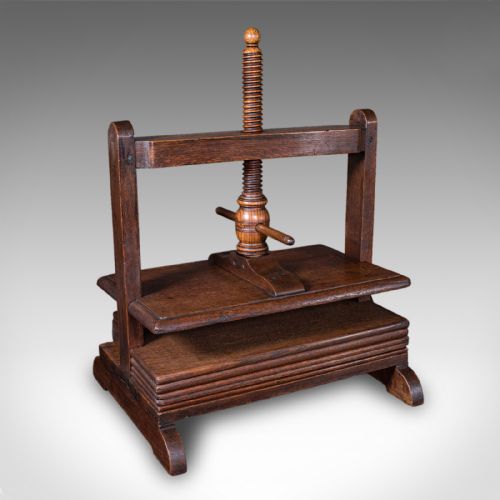
The physical evidence centres on organic plant material mounted on paper, secured within timber frames or pressed between substantial oak boards. Timber presses utilise robust construction to apply even pressure during the drying process.
Framed examples rely on glass to protect fragile botanical specimens, combining traditional paper mounting with period wooden frames. The craftsmanship reflects straightforward domestic utility in presses and careful scientific arrangement in botanical sets.
Vintage Pressed Flowers Retail Price Guide 2026
Typical asking prices for vintage pressed flowers among the pieces listed under this phrase on Sellingantiques today, from the lower quarter to the upper quarter. They describe what is for sale here now, not the wider market.
Victorian botanists often carried pocket presses during seaside strolls to flatten seaweeds instantly.
Judging Quality and Distinction
Quality rests upon the preservation of colour within the botanical specimens and the integrity of the original mount. Faded plant material or replacement backing boards alter the historical standing of framed artwork.
For wooden flower presses, the depth of patina on the oak and the completeness of the original pressing mechanism determine the distinction. Superior examples retain their structural capability alongside untouched surface appearance.
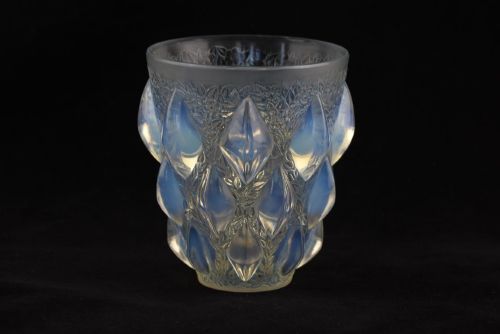
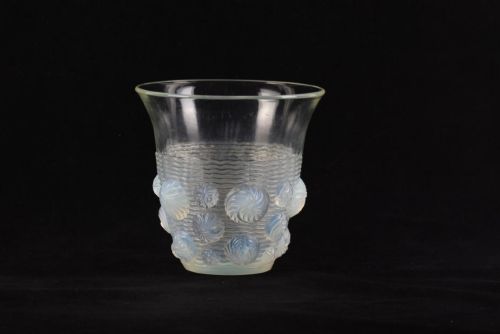
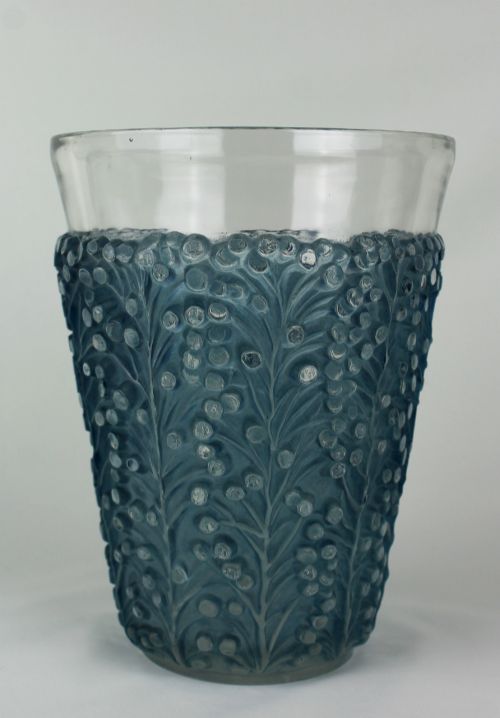
René Lalique
The Vintage Pressed Flowers Glossary
- Herbarium
- A systematic collection of dried plant specimens scientifically arranged and preserved on paper. These gatherings served both decorative and botanical study purposes in past centuries.
- Botanical Specimen
- An individual plant or part of a plant prepared for scientific examination and display. Traditional arrangements focus on accurate structural representation.
- Flower Press
- A mechanical device consisting of two boards tightened with screws or straps to flatten and dry plants. Period examples often exhibit heavy oak construction for domestic or estate use.
- Victorian Folk Art
- Objects created by amateur hands within the nineteenth century using accessible local materials. This tradition encompasses domestic herbariums assembled with regional decorative touches.
Vintage Pressed Flowers: Frequently Asked Questions
How should I display vintage pressed flowers?
Keep framed botanical artwork away from direct sunlight to prevent the delicate colours of the pressed plant material from fading over time. Position them on interior walls where environmental conditions remain relatively stable.
Ensure the hanging environment lacks excessive moisture, which can damage the historic paper mounts and encourage mould growth within the sealed frame.
Can I still use an antique flower press?
Historic timber presses remain functional if the wooden boards are flat and the tightening mechanism operates smoothly without binding. Inspect the interior surfaces to ensure they are clean before placing fresh plant material inside.
Applying excessive force to dry timber presses from the Georgian or Victorian eras may crack the old oak, so gentle pressure is preferable.
How do I identify nineteenth-century botanical specimens?
Examine the paper quality, handwriting styles on the specimen labels, and the mounting adhesive used to secure the plants. Nineteenth-century examples typically feature hand-written Latin nomenclature and rag paper.
Compare the arrangement style to traditional botanical folios of the period, which prioritised accurate scientific recording over mere decoration.
What maintenance do framed herbariums need?
Check the seals on the back of the frame periodically to ensure dust and insects cannot reach the interior paper and plant matter. Use a soft, dry cloth to clean the exterior glass without spraying liquid near the frame edge.
Professional framing conservation standards suggest avoiding modern adhesive tapes when securing historic paper artwork.