




Vintage Pottery Lighting
Vintage pottery lighting encompasses ceramic bases and converted vessels that bring rich texture and heritage into residential interiors.
Vintage Pottery Lighting
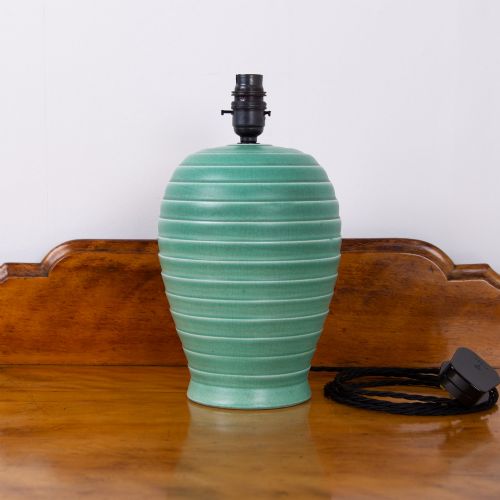
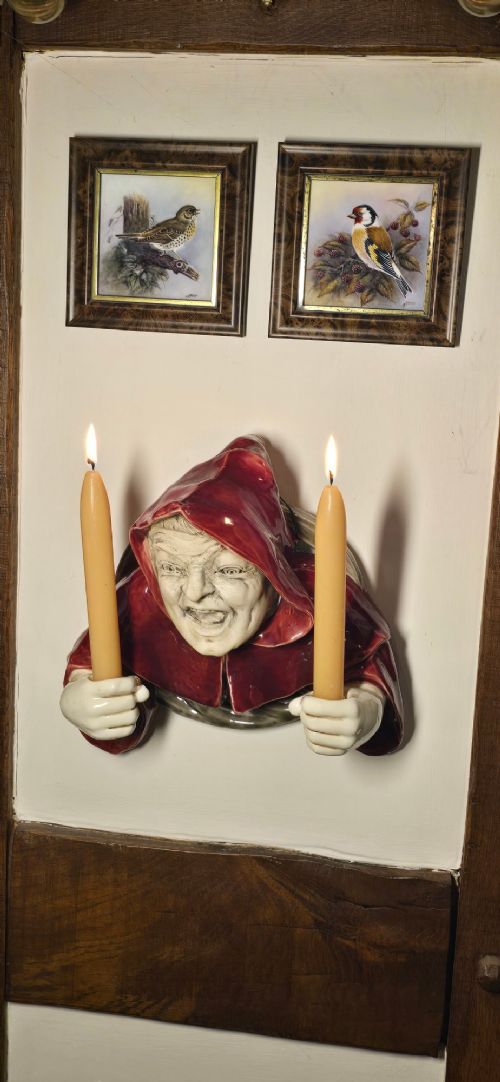
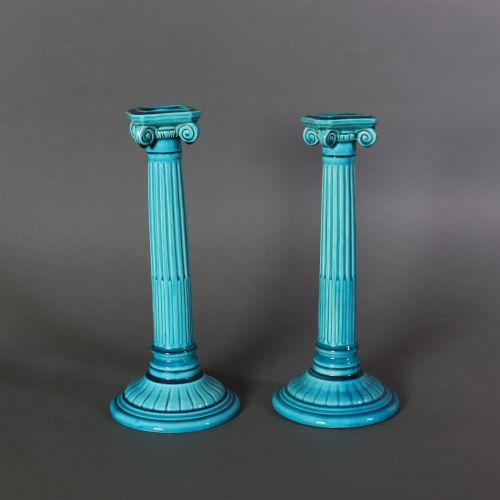
Vintage pottery lighting covers table lamps, wall sconces, candlesticks, and chambersticks shaped from ceramic, earthenware, porcelain, and majolica. These pieces span periods from the eighteenth century through the Art Deco era, encompassing styles such as Arts and Crafts, Art Nouveau, and Victorian Aesthetic Movement.
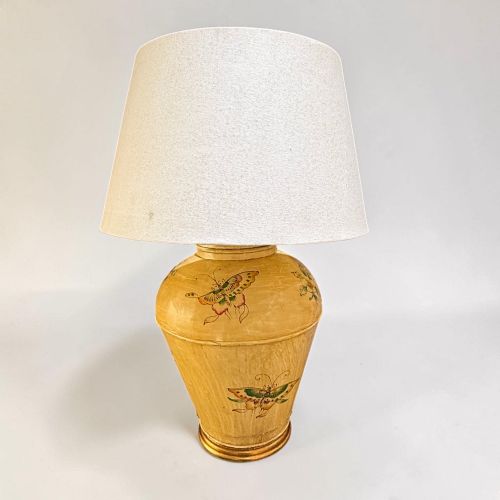
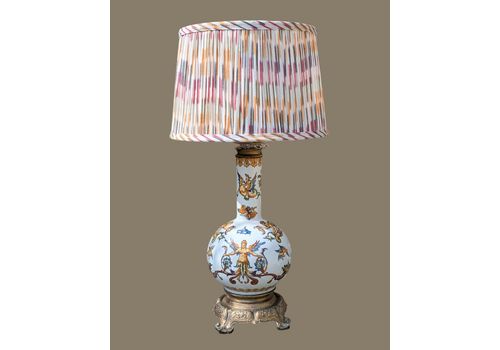
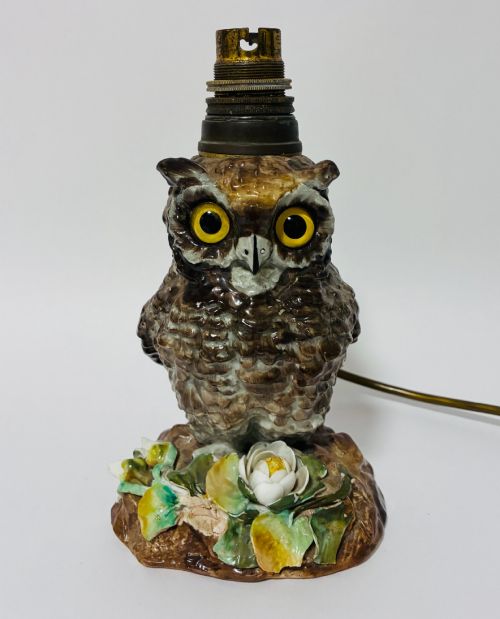
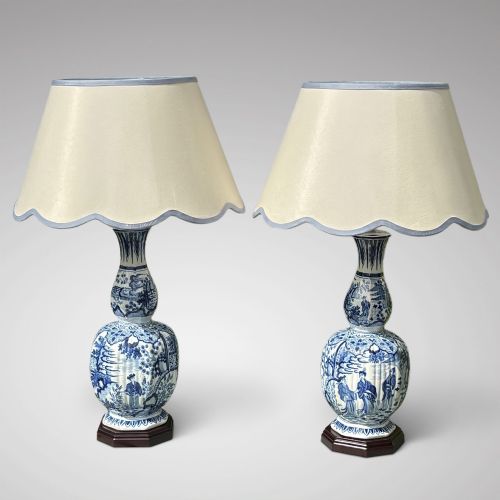
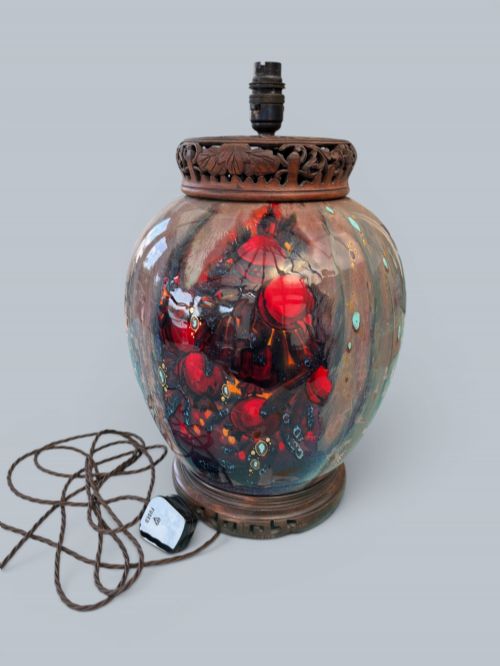
Buyers most frequently encounter table lamps and candlesticks converted from earlier vases, ginger jars, and tobacco jars alongside factory-produced ceramic bases. Common origins represented include English potteries like Royal Doulton and Burmantofts alongside continental faience and Japanese Satsuma and Kutani wares.
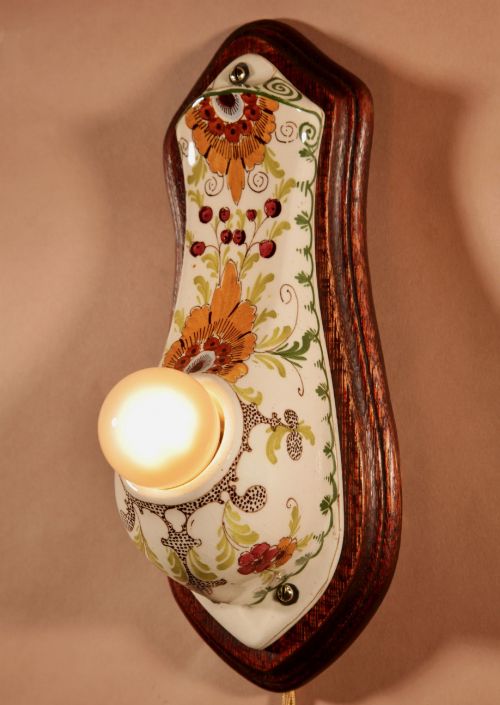
The functional forms serve as both upright task lighting and ambient illumination, often paired with fabric shades. Wall lights and illuminated wall fountains provide alternative vertical configurations for specific architectural spaces.
Materials and construction
Pottery bodies are formed from clay, earthenware, stoneware, or porcelain, then finished with coloured glazes, hand-painted details, or blue and white transfers. Metal components such as brass often provide structural mounts or wiring hardware for converted vessels.
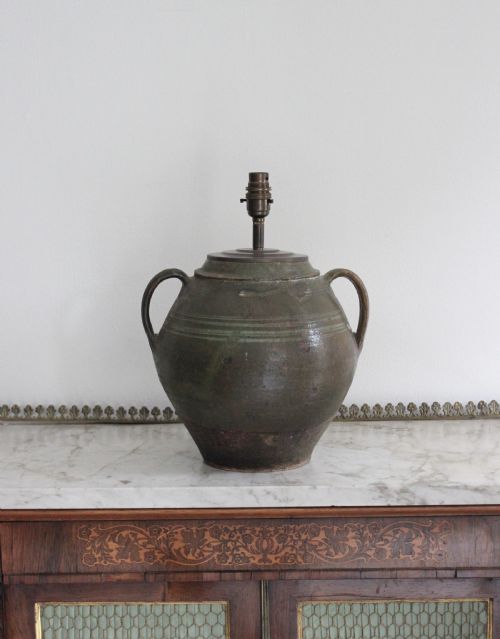
Conversion processes involve adapting historical vases, ginger jars, and candlesticks into functional lamps by drilling bases or adding electrical fittings. Factory-produced lamps integrate the ceramic body directly with internal wiring channels during manufacture.
Vintage Pottery Lighting Retail Price Guide 2026
Typical asking prices for vintage pottery lighting among the pieces listed under this phrase on Sellingantiques today, from the lower quarter to the upper quarter. They describe what is for sale here now, not the wider market.
Listings feature ceramic, porcelain, and earthenware materials shaped into table lamps, wall sconces, and chambersticks across the nineteenth and twentieth centuries.
Evaluating the pieces
Quality rests in the fidelity of the ceramic glaze, the crispness of hand-painted or moulded details, and the integrity of the original pottery body. Intact glazes and well-preserved surface decoration distinguish superior examples.
The conversion method on repurposed vases matters significantly; professional drilling and stable brass or wooden mounts preserve the physical structure of the ceramic vessel without compromising its decorative presence.
Burmantofts Faience·Moorcroft·Royal Doulton·Doulton Lambeth·Denby Ware·Vallauris
The Vintage Pottery Lighting Glossary
- Faience
- Tin-glazed earthenware produced across Europe, known for vibrant painted surface decoration. It provides a colourful gloss finish typical of many table lamps.
- Chamberstick
- A short candlestick fitted with a pan and a finger ring for carrying room to room. These frequently convert into compact table lamps.
- Majolica
- Heavy earthenware covered with an opaque tin glaze and painted with bright enamel colours. The technique creates deeply textured nineteenth-century bases.
- Veilleuse
- A French night light or food warmer comprising a ceramic body with an internal heat source. These items frequently adapt into decorative small lamps.
Vintage Pottery Lighting: Frequently Asked Questions
How do you date pottery lamps?
Dating relies on stylistic markers, glaze types, and maker marks stamped or painted on the ceramic base. Periods span from eighteenth-century delftware to Art Deco faience.
Converted vessels often display age characteristics on the base material that predate the electrical wiring components.
Were these always lamps?
Many items began as vases, ginger jars, tobacco jars, or candlesticks before conversion into lamps at a later date. Dedicated ceramic lamp bases were also manufactured specifically for lighting.
Conversions allow historical ceramic art to function safely with modern electrical standards while retaining decorative value.
How do you style pottery lamps?
Pottery lamps anchor interior schemes by introducing tactile ceramic textures and colourful hand-painted motifs to side tables and living spaces. Fabric shades diffuse light across the glazed surfaces.
Matching pairs suit symmetrical side tables or mantelpieces, while singular statement bases work well on accent tables.