



Vintage Pottery Cup
These vintage pottery cup examples combine robust utility and decorative charm, offering a tangible connection to historical domestic drinking traditions.
Vintage Pottery Cup
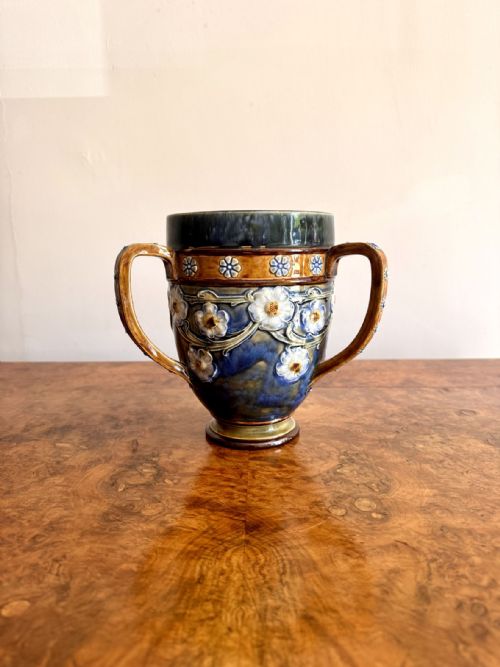
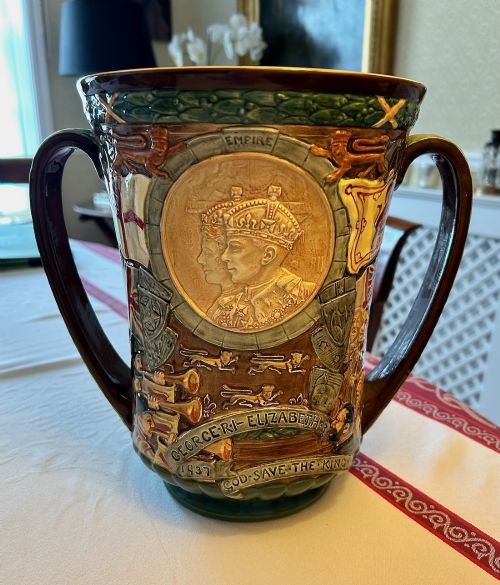
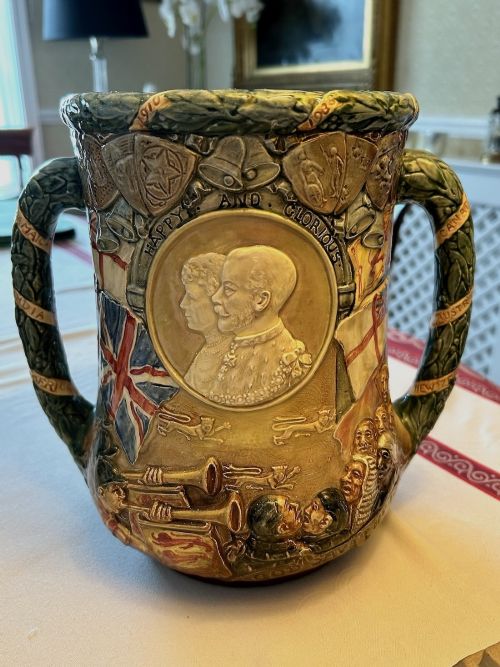
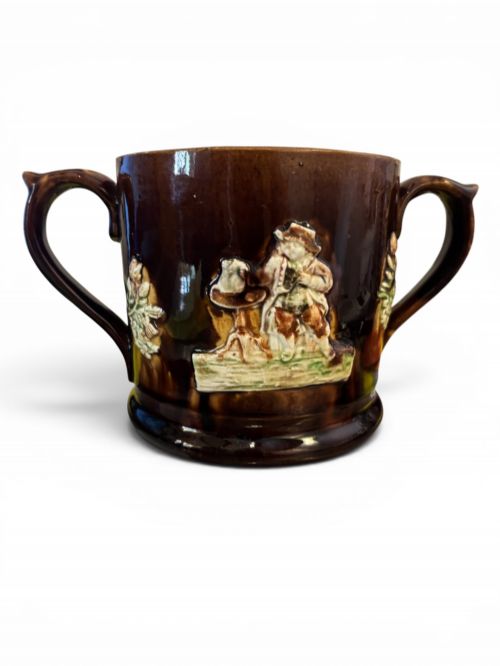
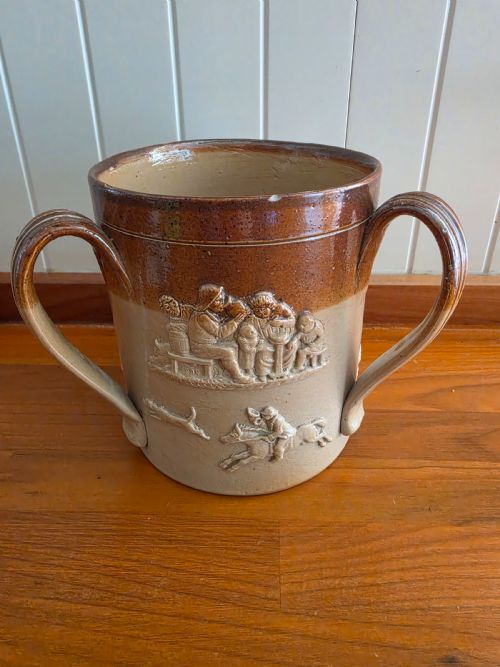
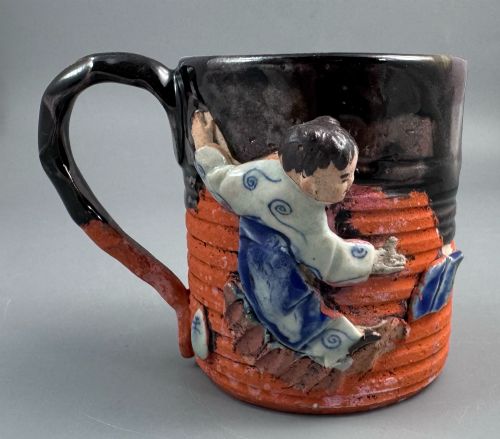
When you search for a vintage pottery cup, you encounter a diverse array of drinking vessels spanning multiple centuries and ceramic traditions. The pieces range from utilitarian nineteenth-century ale tankards and pearlware loving cups to commemorative Royal Doulton vessels and brightly painted tea sets.
You are most likely to meet commemorative loving cups, multi-handled tygs, and traditional mugs originating from British and Japanese workshops. These items reflect both everyday domestic social customs and significant historical milestones like royal jubilees and coronations.
The historical scope covers periods from the Georgian era through the Victorian period and into the art deco designs of the nineteen-twenties and nineteen-thirties. Each era brings distinct manufacturing techniques and decorative motifs to the drinking vessels available on this page.
Materials and construction methods
The primary material foundation relies upon earthenware, stoneware, and terracotta shaped from worked clay. Potters utilised these durable bodies to form sturdy drinking vessels capable of holding liquids.
Surface decoration frequently involves applied glazes, transfer printing, and hand-painted motifs. Pearlware glazes and specialised coloured finishes provide both waterproofing and distinct visual character to the finished ceramics.
Vintage Pottery Cup Retail Price Guide 2026
Typical asking prices for vintage pottery cup among the pieces listed under this phrase on Sellingantiques today, from the lower quarter to the upper quarter. They describe what is for sale here now, not the wider market.
Listings feature earthenware, stoneware, and terracotta materials spanning the Georgian period, Victorian era, and nineteen-thirties art deco styles.
Appraising quality and execution
Quality separates through the precision of the potter's form and the execution of surface details like transfer prints or hand-painted scenes. Superior pieces display crisp definition in applied figures and balanced proportions across multiple handles.
The sophistication of the glaze application and the clarity of commemorative inscriptions dictate the higher tier of these drinking vessels. Masterful ceramicists achieved smooth, even surfaces that integrated harmoniously with the underlying clay body.
Royal Doulton·Clarice Cliff·Sutherland Ware·Taniguchi
The Vintage Pottery Cup Glossary
- Loving cup
- A large ceramic drinking vessel featuring two or more handles, traditionally passed between guests at communal gatherings and celebrations.
- Tyg
- A robust multi-handled drinking mug designed for shared passing around a table during toasts.
- Pearlware
- A refined type of earthenware developed in the late eighteenth century featuring a subtle bluish glaze cast over a white body.
- Transfer printing
- A decoration technique where an engraved metal plate transfers a design onto paper and then onto the ceramic surface before firing.
- Earthenware
- Porous pottery fired at lower temperatures that requires a vitreous glaze to hold liquids securely.
Vintage Pottery Cup: Frequently Asked Questions
What is a loving cup?
A loving cup is a large drinking vessel traditionally constructed with two or three handles to allow multiple people to hold it safely while sharing a drink.
These pieces often commemorated specific historical events, weddings, or civic occasions, making them central items in communal gatherings.
How were frog mugs used?
Frog mugs were humorous drinking vessels featuring a small ceramic frog moulded inside the bottom that surprised the drinker as the liquid lowered.
Victorian and eighteenth-century patrons used these interactive vessels in taverns as playful drinking games during social gatherings.
How do I care for antique pottery?
Antique pottery cups require gentle hand washing in lukewarm water with mild soap to protect historic glazes and delicate painted surfaces.
Avoid placing these fragile ceramic pieces in dishwashers or exposing them to sudden temperature shifts that might stress the old clay body.
Can I still use my antique cup?
While these vessels were originally created for functional dining and drinking, older glazes can sometimes contain trace materials unsuited for modern consumption.
Collectors generally prefer to display these historical items rather than use them for daily food and beverage service.
What defines a tyg?
A tyg is a sturdy drinking mug characterised by three or more vertical handles spaced evenly around the body.
This specific multi-handled design allowed guests at a table to pass the vessel easily without sharing the exact same drinking spot on the rim.