







Vintage Pottery Bowl
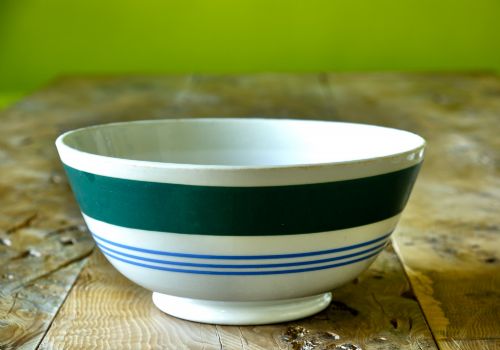
A vintage pottery bowl brings tactile history to a room, offering functional artistry shaped by decades of traditional kiln work.
Vintage Pottery Bowl
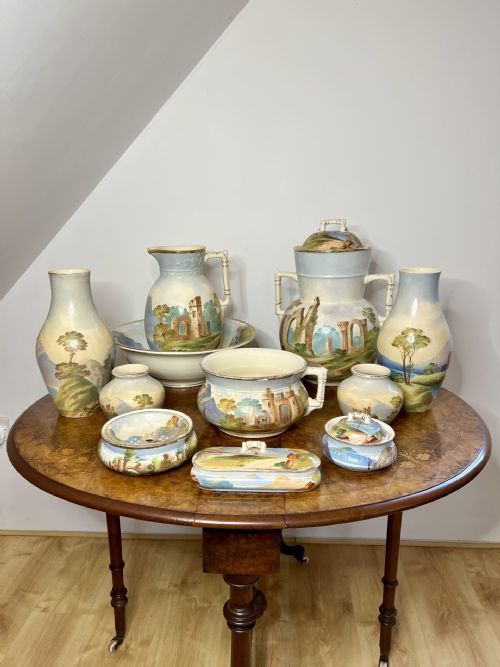
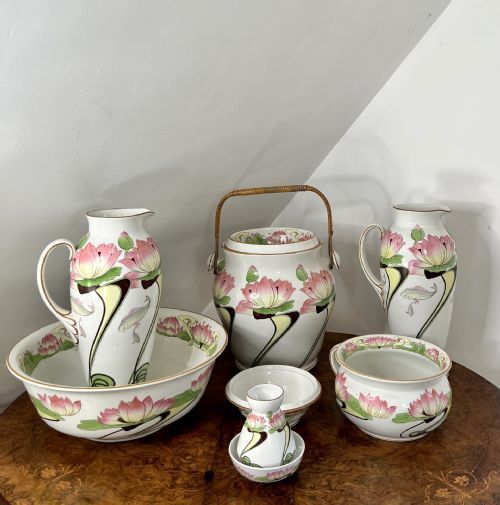
When you search for a vintage pottery bowl, you enter a diverse field spanning utilitarian earthen vessels to highly decorative cabinet pieces. The selection includes sturdy utilitarian wares alongside ornate ornamental centerpieces intended for display.
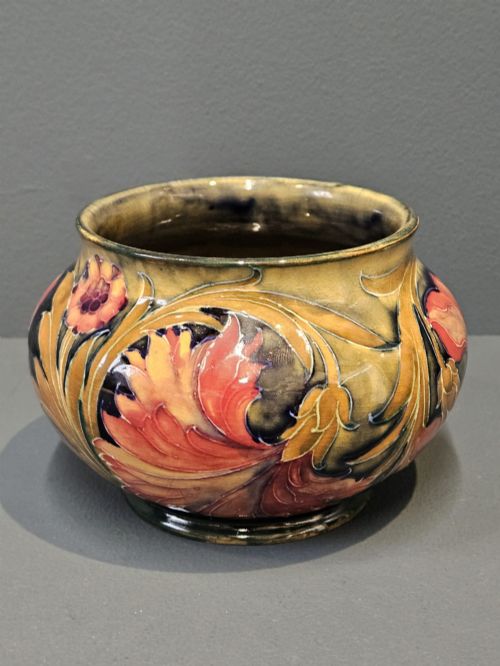
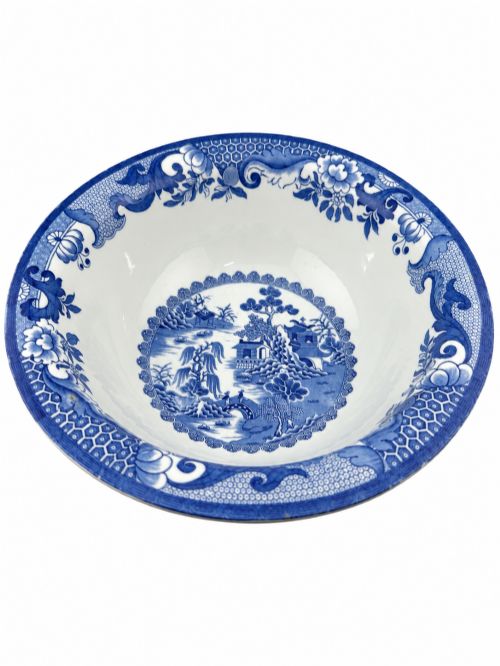
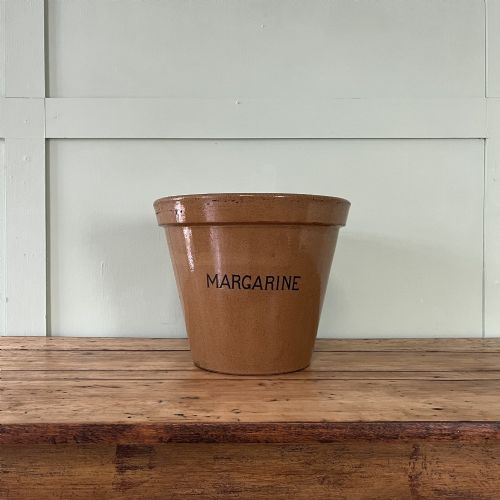
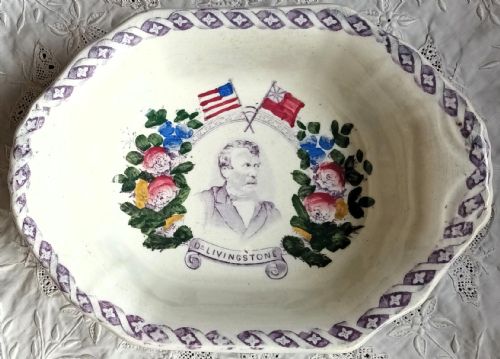
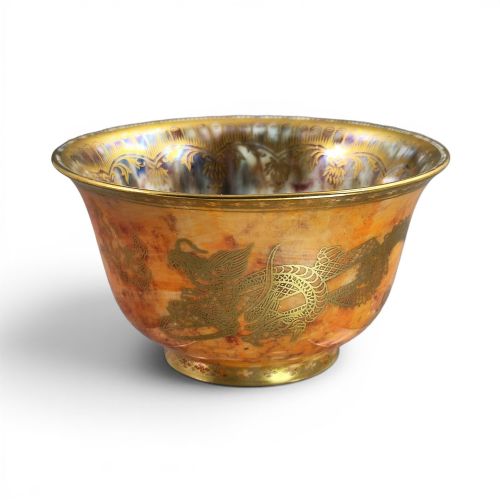
The objects take many forms, from simple blue and white delft dishes to vibrant lustreware bowls and heavy stoneware crocks. Most pieces originate from British, European, and Asian potteries operating across the eighteenth, nineteenth, and early twentieth centuries.
Materials and methods
Potters shaped these pieces from earthenware, stoneware, creamware, and porcelain, applying mineral glazes to seal the porous bodies. Many items feature hand-painted designs, transfer printing, or rich coloured enamels fused to the ceramic surface during firing.
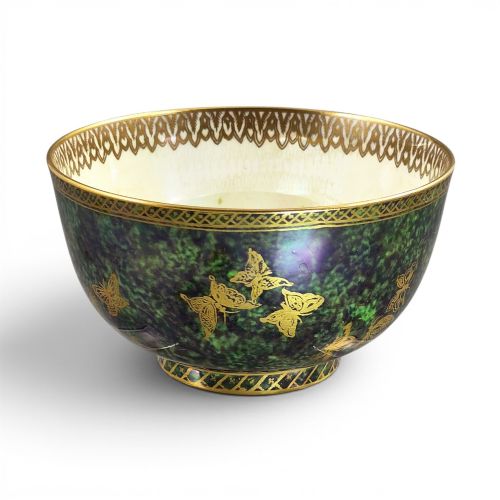
Specialised techniques such as lustre glazing require metallic oxides applied in successive kiln firings to achieve an iridescent finish. Potters often stamped or painted their factory marks on the underside before the final glaze firing.
Vintage Pottery Bowl Retail Price Guide 2026
Typical asking prices for vintage pottery bowl among the pieces listed under this phrase on Sellingantiques today, from the lower quarter to the upper quarter. They describe what is for sale here now, not the wider market.
Listings feature ceramics spanning the eighteenth, nineteenth, and early twentieth centuries, constructed from earthenware, porcelain, stoneware, and creamware.
Evaluating craftsmanship
Quality rests in the precision of the throwing, the control of the kiln temperature, and the clarity of the painted or printed decoration. A well-executed glaze shows even coverage and vibrant depth without cloudiness or accidental running.
The skill of the designer and painter dictates the artistic merit, particularly in hand-painted patterns where brushwork control varies significantly. Pieces bearing the signatures or specific impressed marks of accomplished designers command greater attention from collectors.
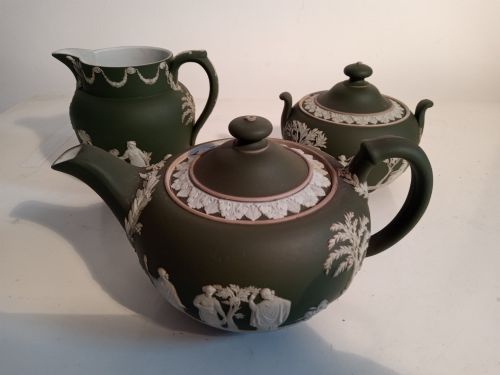
Wedgwood·Doulton Lambeth·Maling·Mason·Kinkozan Kyoto
The Vintage Pottery Bowl Glossary
- Earthenware
- Porous pottery fired at lower temperatures, requiring a vitreous glaze to hold liquids. It forms the body of many traditional kitchen and decorative vessels.
- Lustreware
- Ceramics treated with metallic film glazes that produce an iridescent sheen when fired. This technique creates a distinctive shimmering surface effect.
- Transfer printing
- A method of applying detailed monochrome or polychrome patterns to pottery via engraved copper plates and tissue paper. It allowed complex pictorial scenes to be replicated consistently.
- Creamware
- A refined, pale yellowish-buff earthenware developed in the eighteenth century. It provided a smooth surface suited to delicate painted decoration.
Vintage Pottery Bowl: Frequently Asked Questions
Can I use these bowls for serving food?
Many sturdy stoneware and porcelain bowls remain suitable for serving dry foods. However, older pieces with extensive glaze crazing or lead-containing glazes are better kept for display.
Assess the interior surface condition before permitting contact with acidic foods or liquids. When in doubt, treat decorative tableware purely as visual art.
What causes crazing on pottery glazes?
Crazing appears as a fine network of cracks across the glossy surface layer. It happens when the glaze shrinks slightly faster than the underlying clay body during cooling.
Age, temperature fluctuations, and normal historical use all contribute to this network developing over decades. It is a natural ageing characteristic rather than an active structural fault.
How do I identify the age of a bowl?
Examine the underside for factory stamps, impressed ciphers, or handwritten pattern numbers. Different potteries changed their marks across decades, allowing precise dating through reference guides.
Look closely at the manufacturing technique, weight, and glaze characteristics to confirm the period style. Hand-thrown potting methods and old kiln stilt marks often point towards earlier production dates.