

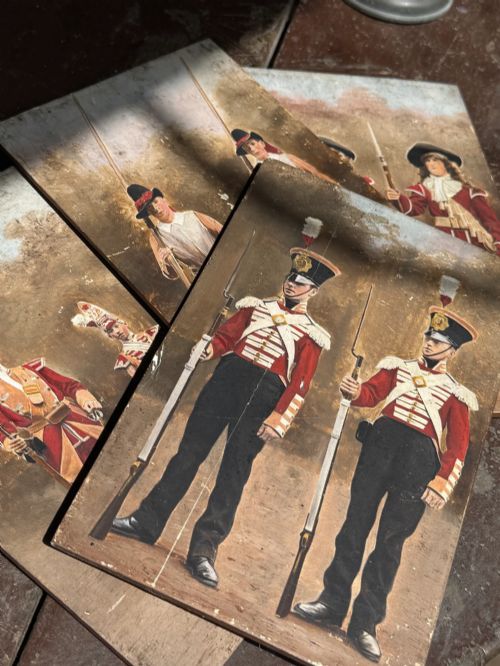
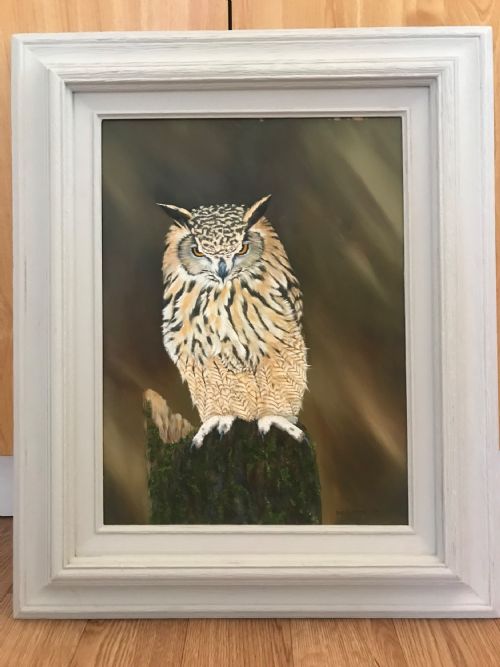


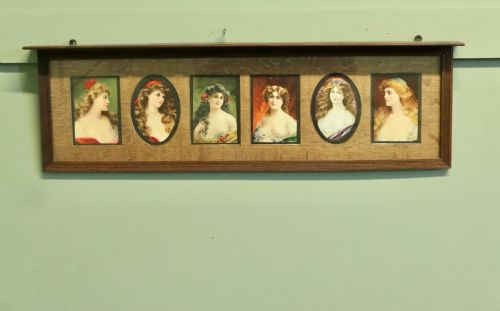


Vintage Portrait Panel
A vintage portrait panel brings character and history directly to your wall, combining traditional subjects with solid wooden or painted supports.
Vintage Portrait Panel
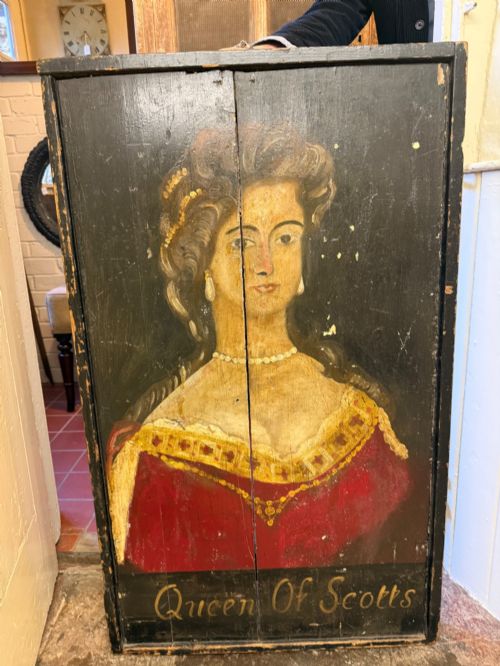
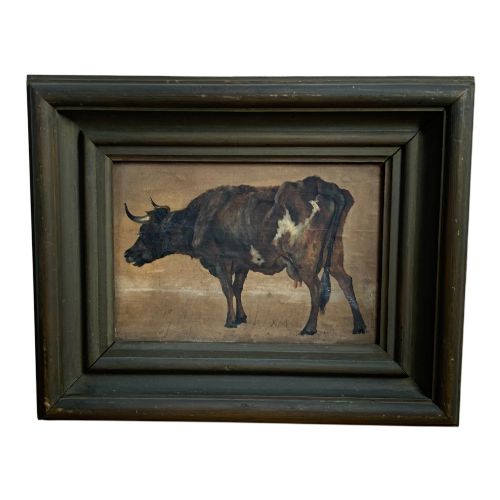
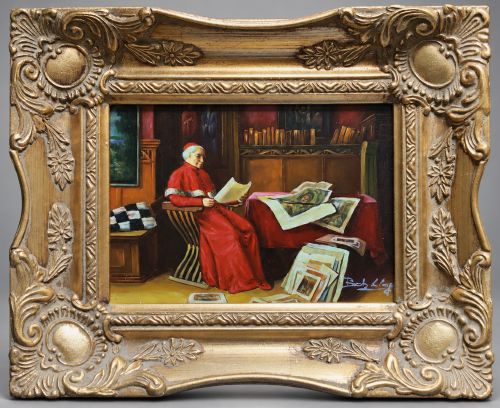
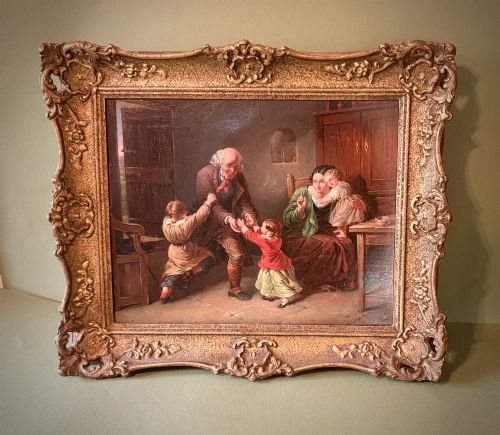
A vintage portrait panel groups together painted, carved, or woven depictions of people and subjects mounted on rigid supports rather than stretched canvas. When you search for a vintage portrait panel, you encounter works spanning the nineteenth century through the mid-twentieth century, alongside pieces referencing earlier centuries.
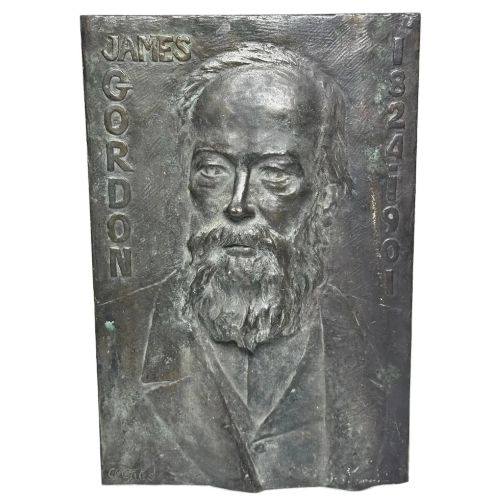
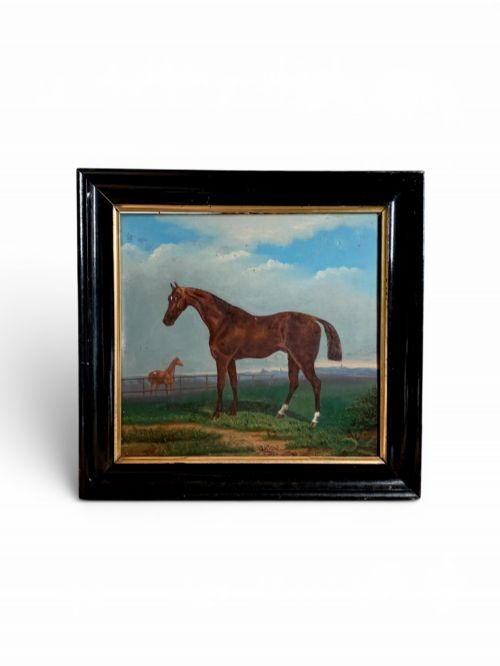
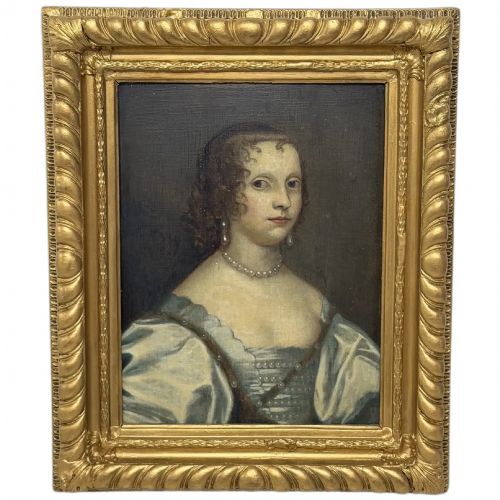
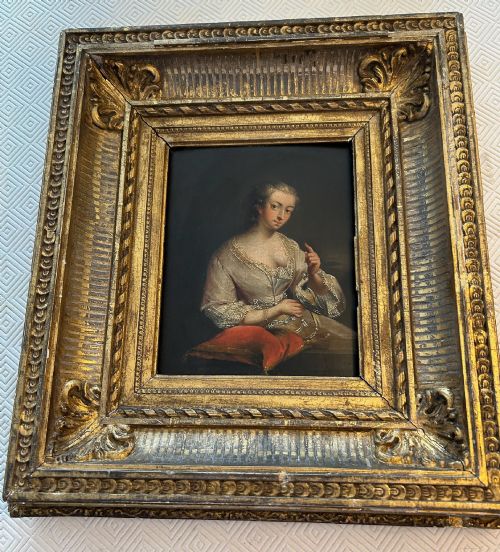
The selections here range from formal oil paintings on wood panels and board to embroidered tapestries, porcelain plaques, and cast bronze reliefs. Painters and makers from various schools utilised these sturdy grounds to capture human subjects, animals, and narrative scenes with lasting stability.
Materials and construction
Artists and makers constructed these panels using firm supports such as oak, pine, mahogany, and modern board, applying oil paint, watercolours, or embroidery directly onto the prepared surface. Wood panels provided a rigid ground that prevented the cracking often found on aged canvas, allowing fine brushwork to survive intact over generations.
Relief panels and decorative plaques employed alternative techniques like cast bronze, bronzed plaster, carved wood, and pyrography. These varied mediums ensured that portraits and figural scenes gained tactile depth through moulded metal, incised wood, or woven wool gros-point.
Vintage Portrait Panel Retail Price Guide 2026
Typical asking prices for vintage portrait panel among the pieces listed under this phrase on Sellingantiques today, from the lower quarter to the upper quarter. They describe what is for sale here now, not the wider market.
Object types cover wall art, paintings, wall mirrors, fine art, and decorative plaques.
Judging the work
Quality rests upon the skill of the execution, the clarity of the composition, and the preservation of the surface medium. Pieces executed by named artists or recognised schools display superior draughtsmanship and nuanced handling of light compared to simpler naive works.
The integrity of the panel itself dictates longevity. Stable wooden supports without warping or severe cracking hold pigment and detail far better than neglected boards subject to dampness or poor storage.
Alice Gates·Jean-Baptiste van Loo·William Williams·Alfred John Bouchette·Hans Temple·Bessie Bamber
The Vintage Portrait Panel Glossary
- Oil on panel
- A painting executed with oil-based pigments directly onto a wooden board or rigid panel rather than canvas. This method provides a smooth, durable ground favoured by artists aiming for fine detail.
- Gros-point
- A type of needlepoint embroidery stitched on heavy canvas with coarse wool yarn. It creates a textured, durable surface often used for pictorial wall hangings and tapestries.
- Pyrography
- The art of decorating wood or other materials by burning designs with a heated tool or pokerwork. It produces sepia-toned images characterised by dark, scorched lines.
- Trumeau
- A decorative wall mirror featuring a painted or carved panel positioned above the glass plate. Originating in France, these architectural fixtures combined art and reflection within a single frame.
- Relief
- A sculptural technique where figures or designs project from a flat background. Bronzed plaster and cast metal plaques utilise this method to give three-dimensional form to portraits.
Vintage Portrait Panel: Frequently Asked Questions
What is a portrait panel?
A portrait panel is a work of art depicting a person or face created on a rigid flat surface such as wood, board, or metal rather than flexible fabric. These pieces range from oil paintings and watercolours to carved reliefs and embroidered textiles.
Makers favoured rigid panels because they offered a stable ground that resisted sagging and tearing over decades of display. This durability allowed artists to achieve remarkable detail in their portraiture.
How do I hang a heavy wood panel?
Hanging a heavy wooden panel requires securing your fixings directly into wall studs or utilising appropriate masonry anchors if your walls are brick. Heavy frames and solid wood supports need robust picture wire and sturdy D-rings screwed firmly into the wooden backing.
Check the weight distribution before mounting and ensure the hanging hardware matches the load. Proper placement protects both the wall and the structural integrity of the antique frame.
How should I clean a painted panel?
Cleaning a painted panel should be limited to very gentle dusting with a soft, dry brush or microfiber cloth. Avoid using water, liquid cleaners, or chemical solvents on aged oil paint or delicate wooden surfaces, as moisture causes severe damage.
If a piece requires deeper restoration or cleaning to remove accumulated grime, consult a professional conservator. Professional intervention prevents accidental stripping of the original pigment or varnish.
Are these panels signed by artists?
Many panels feature artist signatures, monograms, or attribution marks inscribed into the paint or stamped into the metal. Signatures help historians connect works to specific creators, regional schools, or documented historical periods.
Unsigned pieces remain common, particularly among naive works or decorative plaques produced in workshops. Attribution for unsigned panels relies on stylistic comparison, materials, and framing techniques.