
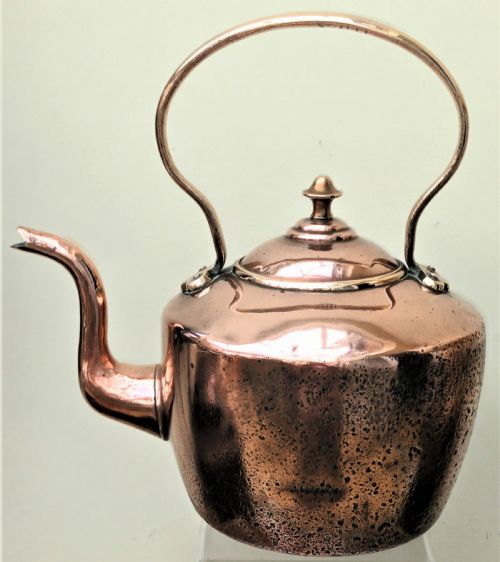
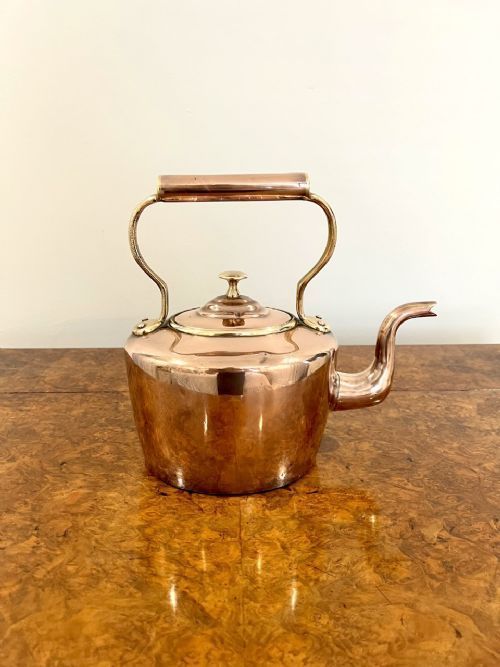


Vintage Polished Teapot
These vintage polished teapot listings offer solid metal vessels that bring genuine period warmth to a kitchen or dining table.
Vintage Polished Teapot
When you search for a vintage polished teapot, you encounter robust vessels primarily formed from copper and brass, alongside silver plate and stainless steel examples. The selection spans the Georgian and Victorian eras up to the mid-century period, reflecting centuries of metalworking traditions.
You are most likely to meet hardworking copper kettles and tea services from the nineteenth century and the year 1800. These pieces often feature traditional forms, including round and oval bodies, sometimes accompanied by matching trivets.
The objects listed range from small antique vessels to large domestic items. They bridge practical kitchen use and decorative display, maintaining a bright metallic sheen from past and present polishing.
Materials and construction
Makers shaped these vessels predominantly from sheet copper and brass, frequently incorporating contrasting elements like wooden, ebonised wood or ebony handles and knobs. These organic additions provided insulation against heat while the metal bodies conducted warmth.
Construction techniques relied on skilled hand-shaping and joining of metal sheets, creating durable hollowware designed for daily service. Surviving examples demonstrate heavy-gauge metalwork meant to withstand constant heating on hearths and stoves.
Design styles represented across the inventory include Georgian, Victorian, Edwardian, and Traditional Dutch.
Distinctions in quality
The finer examples display superior weight in the metal and careful attention to the formation of spouts and handles. Better vessels maintain balanced proportions and clean lines across both round and oval body shapes.
Quality reveals itself in the integrity of the joins and the finish of the polished surfaces. Superior pieces preserve their original structural strength while showing thoughtful integration of wood or ebonised components.
The Vintage Polished Teapot Glossary
- Copper
- A malleable reddish metal used extensively for its thermal conductivity and pleasing appearance when polished. It forms the primary body material for many early tea vessels.
- Brass
- An alloy of copper and yellow zinc utilised for decorative structural parts and entire kettle bodies. It offers a bright golden tone when maintained.
- Ebonised wood
- Timber treated to resemble heavy, dark ebony wood, commonly shaped into insulating handles and lid finials. This material provides a durable grip.
- Silver plate
- A thin layer of silver fused to a base metal substrate, allowing tea sets to display a bright reflective finish. It became popular for formal domestic service.
- Trivet
- A small metal stand designed to hold a hot kettle off a tabletop or hearth surface. These accessories frequently match the metalwork of the main vessel.
Vintage Polished Teapot: Frequently Asked Questions
How do I clean a copper kettle?
Polishing requires appropriate metal creams applied with soft cloths to maintain the reflective shine without thinning the historic surface.
Regular gentle wiping preserves the bright appearance achieved by previous generations of owners.
Can I use these kettles on a stove?
Many of these metal vessels served practical boiling duties on nineteenth-century hearths and modern stoves alike. Historic examples require careful handling to protect original joins and internal surfaces.
Using them primarily for display ensures their longevity in a modern home.
What is the difference between brass and copper?
Copper exhibits a distinct reddish-pink hue and was favoured for its superior heat transfer in kitchen vessels. Brass contains zinc, resulting in a bright yellow-gold colour suited for both structure and decoration.
Both metals appear frequently across the available nineteenth-century inventory.
How do I date an antique kettle?
Dating relies on observing manufacturing marks, handle attachments, and overall stylistic form associated with periods like the Georgian or Victorian eras. Corpus evidence shows specific styling cues tied to around 1800 and 1850.
Comparing construction methods with dated examples helps establish an approximate decade of origin.