



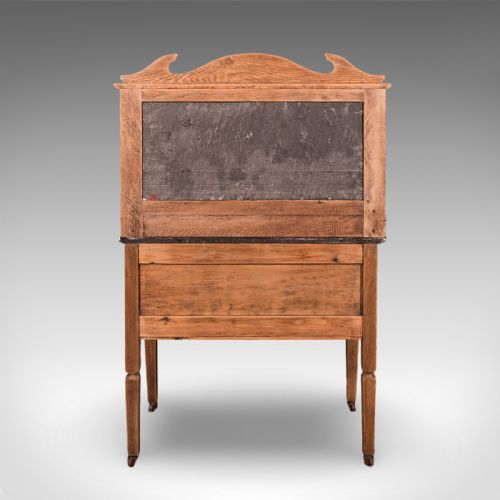

Vintage Pine Stand
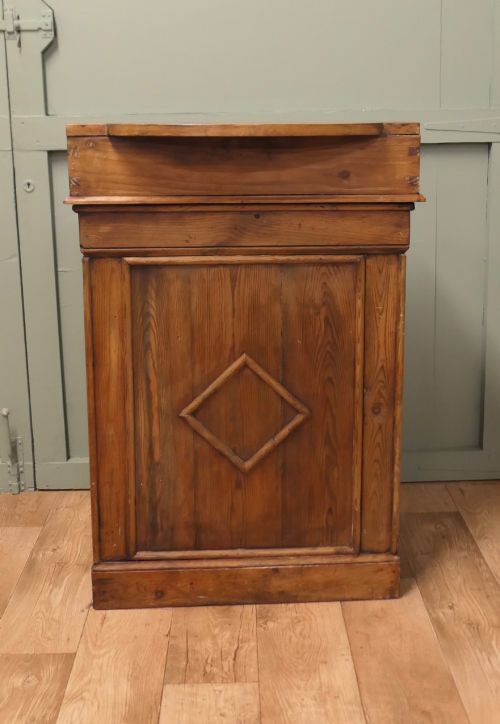
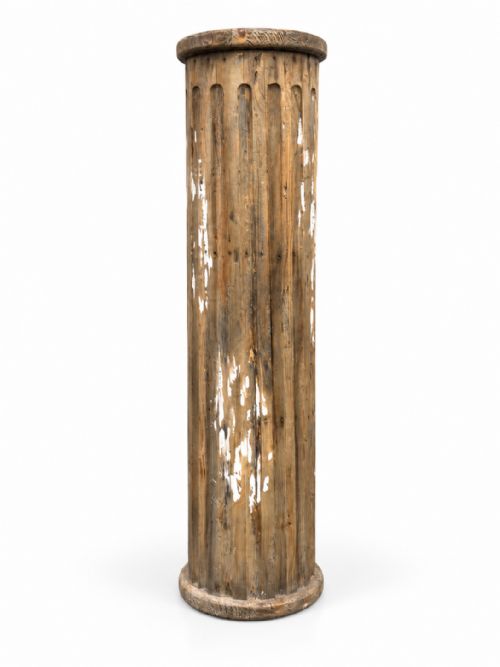
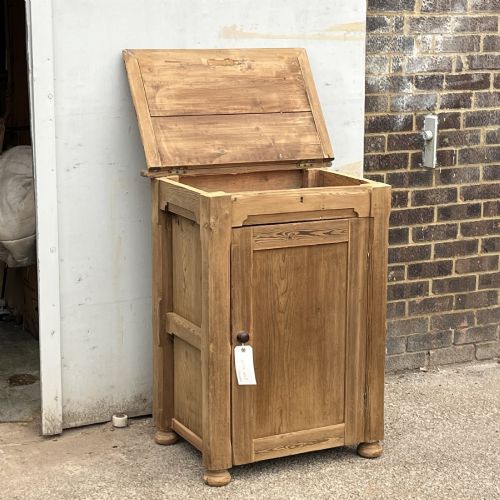
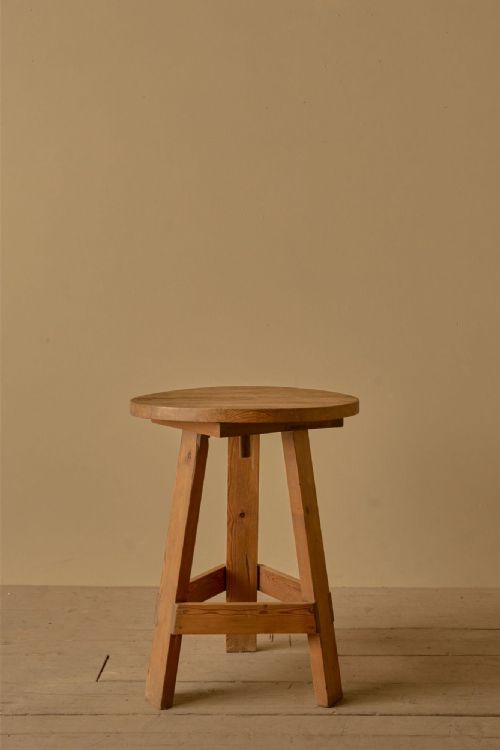
A vintage pine stand brings honest utility and warmth to a room, offering practical display or support through solid timber construction.
Vintage Pine Stand
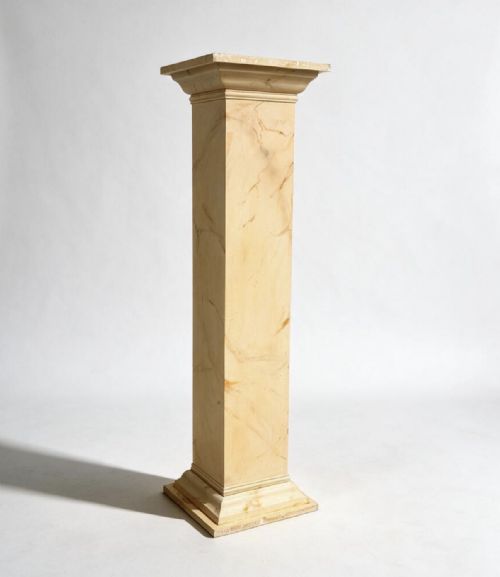
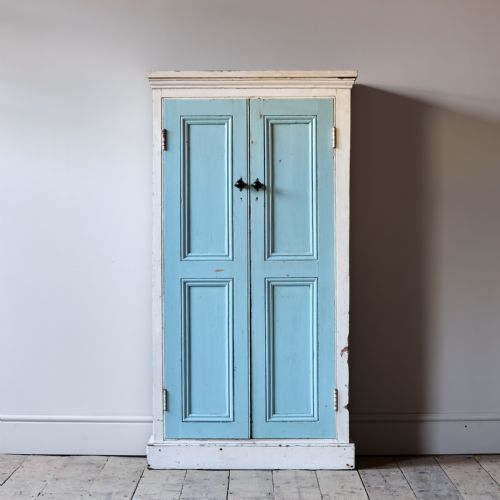
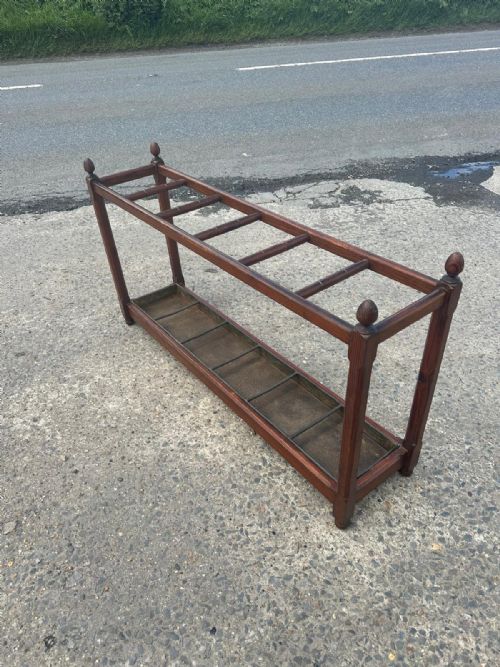
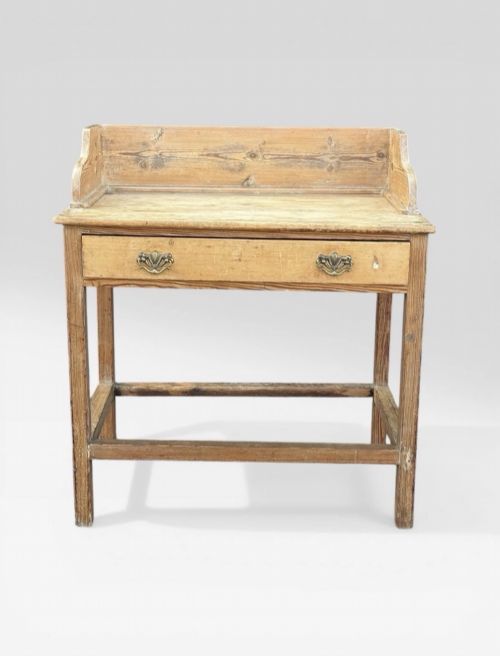
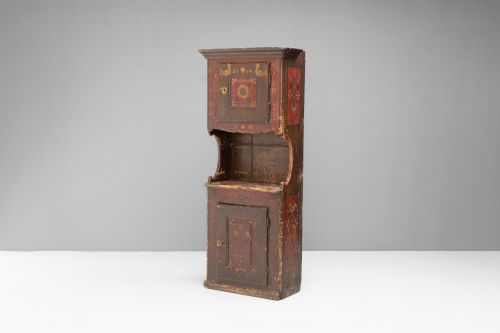
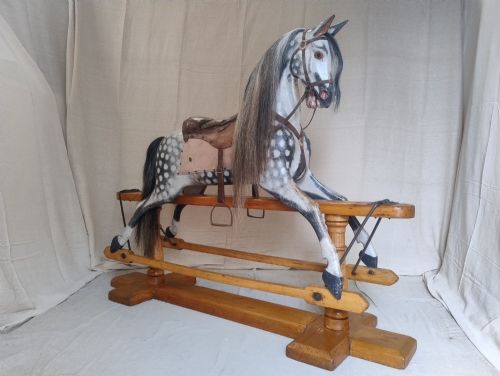
When you search for a vintage pine stand, you encounter pieces designed for functional service in domestic, studio, or institutional settings across the nineteenth and early twentieth centuries. These encompass washstands, stick stands, sculptors' stands, lecterns, and display units shaped by utilitarian needs.
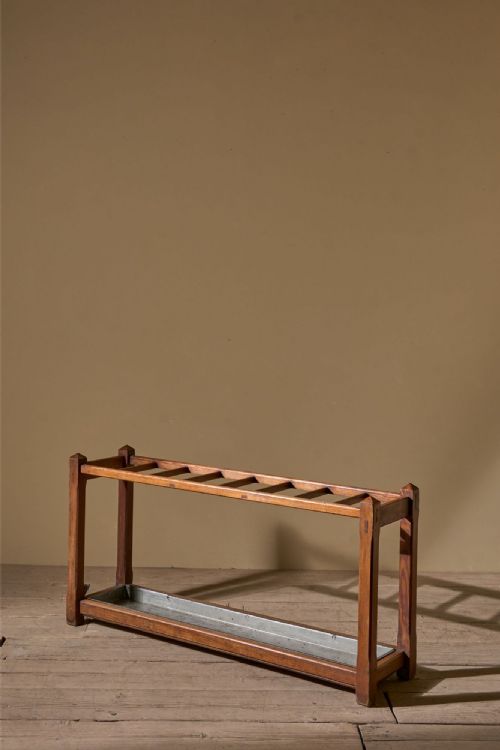
The versions most common in this selection lean toward country house washstands, hallway umbrella holders, and workshop or studio supports. They span Victorian, Edwardian, and early twentieth-century periods, reflecting straightforward regional craftsmanship in solid pine and deal.
How they were made
Makers utilised solid pine and deal timbers, frequently selecting boards for straightforward structural strength rather than decorative grain. Construction relies on traditional joinery, sometimes complemented by iron or brass hardware for hinges, brackets, or adjustable mechanisms.
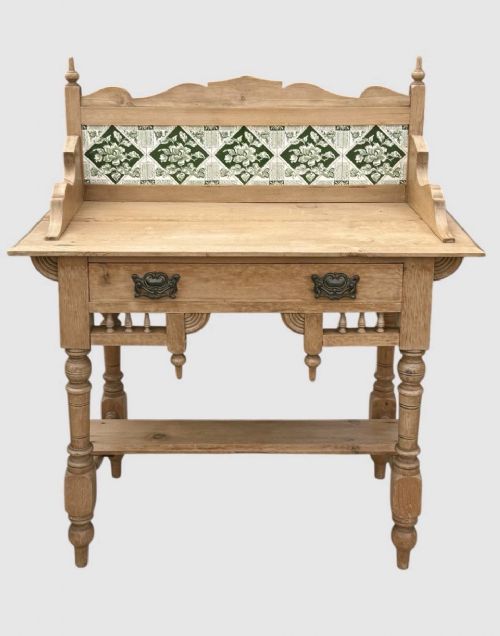
Surfaces frequently show layers of early paint, original wax, or scrubbed natural finishes that develop character through daily use. Details such as turned legs, pegged joints, and occasional marble tops or tile inserts appear on specialised washstands and console tables.
Vintage Pine Stand Retail Price Guide 2026
Typical asking prices for vintage pine stand among the pieces listed under this phrase on Sellingantiques today, from the lower quarter to the upper quarter. They describe what is for sale here now, not the wider market.
Listings feature nineteenth and early twentieth-century pieces in pine, iron, brass, and marble, spanning Victorian, Edwardian, and Scandinavian country styles.
What varies in quality
Quality rests in the integrity of the timber framing, the retention of original surface treatments like old paint or wax, and the honesty of the construction. Pieces with uncompromised proportions, robust joints, and minimal structural alteration stand apart from heavily restored or later-assembled items.
Subtle details such as turned uprights, original hardware, and intact functional elements like adjustable shelves or pivoting frames elevate a piece. The presence of genuine patina accumulated through decades of studio or household service marks the more desirable examples.
F.H.Ayres·Collinson·Windsor and Newton
The Vintage Pine Stand Glossary
- Pine
- A softwood derived from coniferous trees, widely utilised for British and continental vernacular furniture due to its accessibility and workability. It takes paint, wax, and scrubbed finishes readily.
- Washstand
- A dedicated piece of furniture designed to hold a basin, jug, and washing accessories, often incorporating marble tops, tile backs, or towel rails. They date predominantly from the Victorian and Edwardian eras.
- Stick stand
- A narrow hallway or vestibule piece intended for organising umbrellas, walking sticks, and canes, frequently incorporating a metal drip tray at the base.
- Sculptors stand
- A heavy, adjustable wooden pillar or platform utilised in art studios to elevate clay models or sculptures while work is in progress. They often feature revolving tops or winding mechanisms.
- Deal
- A common historical term for fir or pine timber used extensively in carcass construction and utilitarian furniture making throughout the nineteenth century.
Vintage Pine Stand: Frequently Asked Questions
What is a vintage pine stand used for?
These versatile pieces served various functional roles in historical interiors, ranging from washbasins and hallway umbrella storage to artist studios and display spaces.
Today, they adapt easily to modern rooms as plant pedestals, hallway organizers, side tables, or display surfaces for books and ceramics.
How do I care for a pine washstand?
Maintain waxed pine surfaces by dusting with a soft cloth and applying a traditional beeswax polish occasionally to nourish the timber and preserve the matte sheen.
Protect unsealed or scrubbed wood from standing water and moisture, particularly on washstand tops where basins once sat.
Are these stands made of solid wood?
The pieces in this category are constructed from solid pine, deal, or pitch pine rather than modern manufactured boards or veneers.
This solid construction allows the timber to endure heavy daily use while developing a rich, authentic patina over the decades.
How can I tell the period of a pine stand?
Dating relies on observing construction methods, such as hand-cut joints, original hardware, and the character of the timber surface.
Victorian and Edwardian pieces often display specific utility forms, turned supports, and early paint or wax layers characteristic of their intended rooms.