

Vintage Pine Pantry
A vintage pine pantry brings honest utility and warmth to a kitchen, offering generous storage rooted in centuries of practical country living.
Vintage Pine Pantry
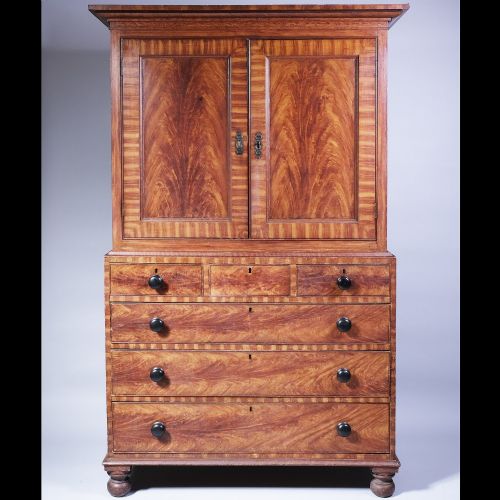
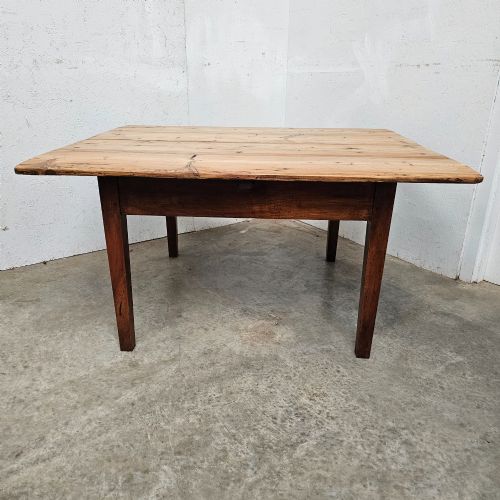
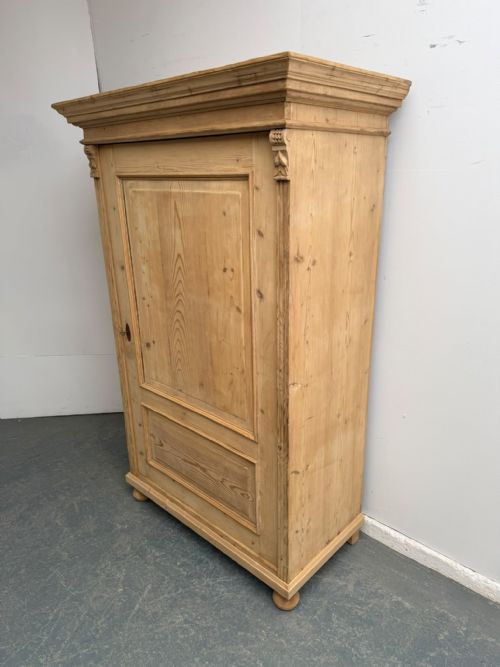
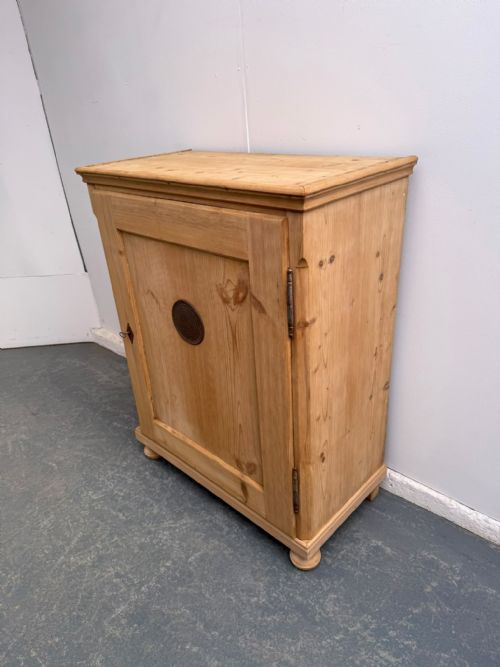
When you search for a vintage pine pantry, you encounter substantial storage furniture designed for food and household goods across the eighteenth, nineteenth, and early twentieth centuries. These pieces encompass larder cupboards, housekeepers cupboards, kitchen dressers, and linen presses originating from British, French, Baltic, and Austro-Hungarian workshops.
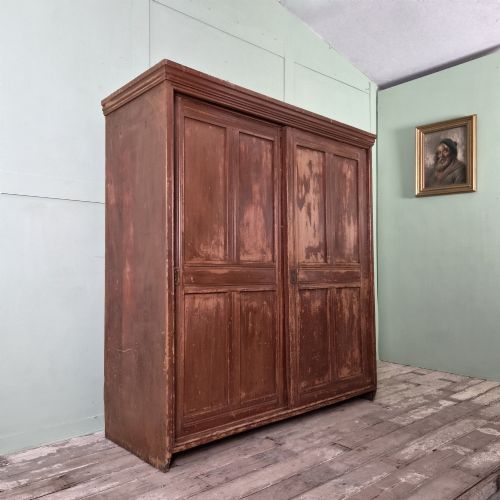
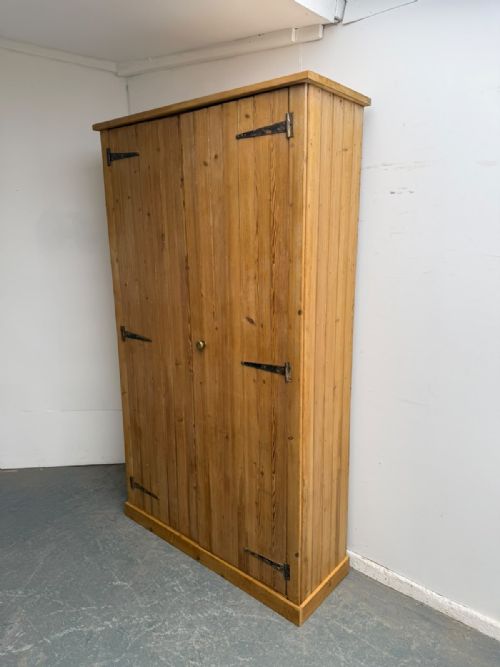
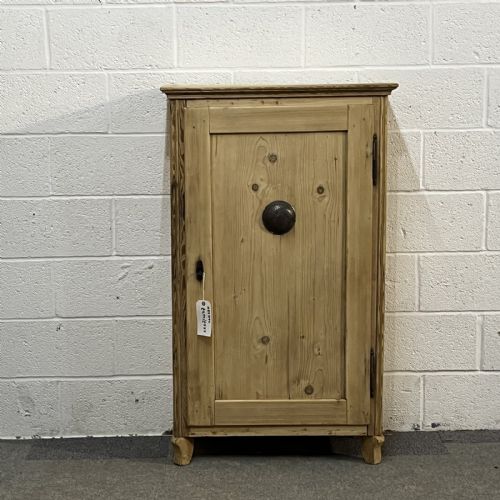
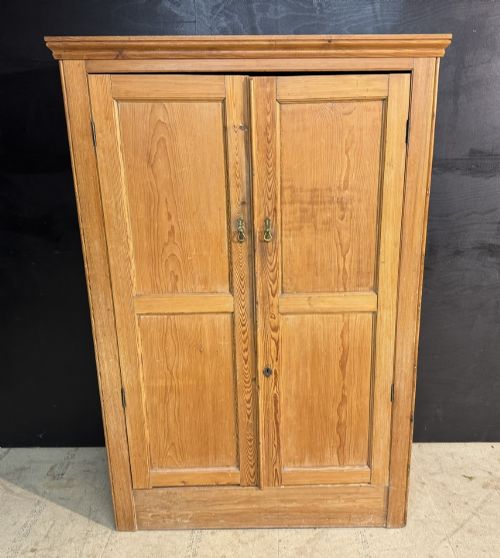
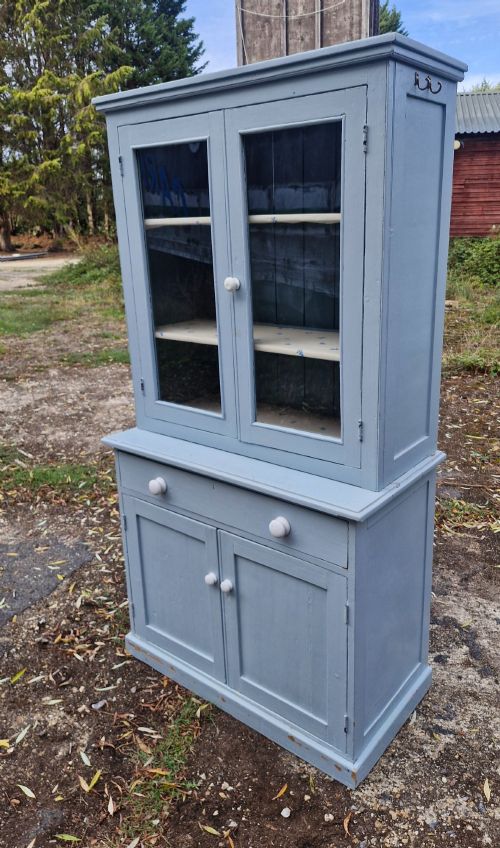
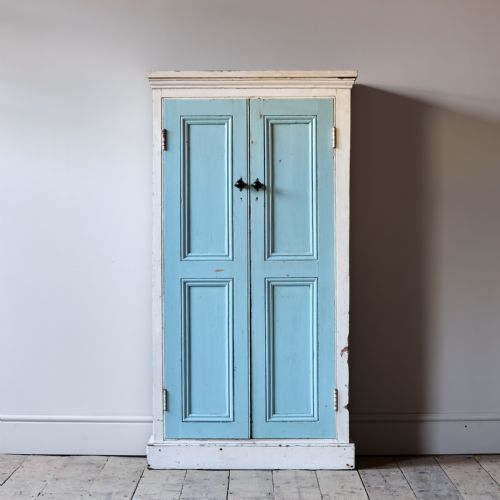
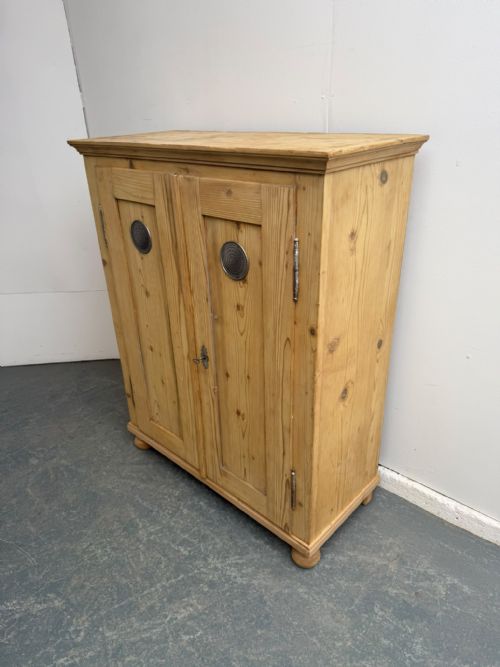
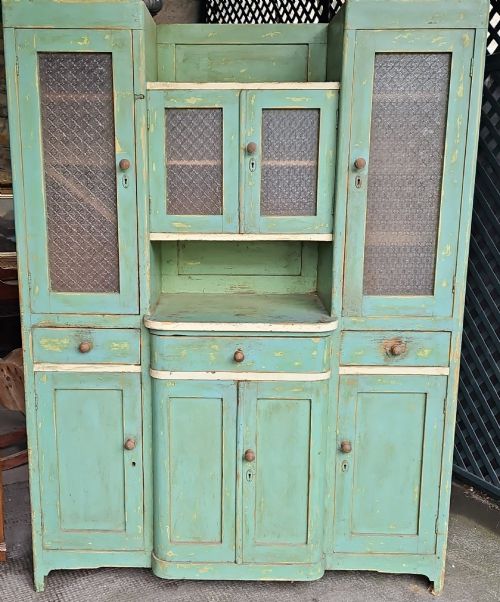
The version you are most likely to meet on this page is a single or double door cupboard from the Victorian era or the broader nineteenth century. These forms display regional rural characteristics, including ventilated doors for food preservation and multi-part kitchen cabinets built for daily domestic service.
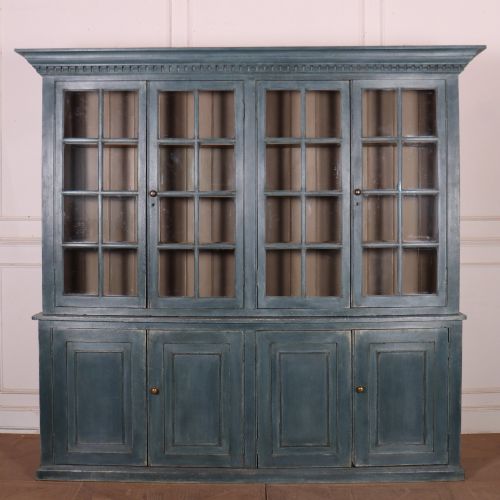
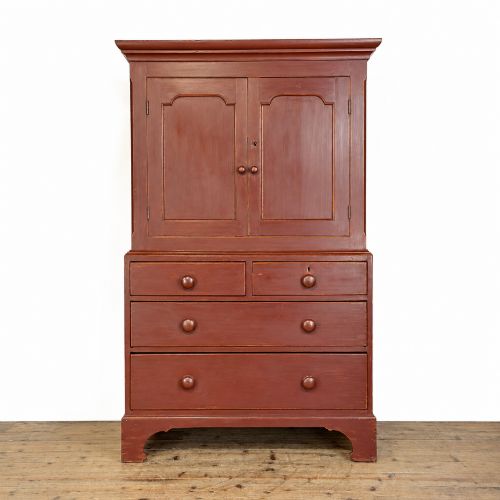
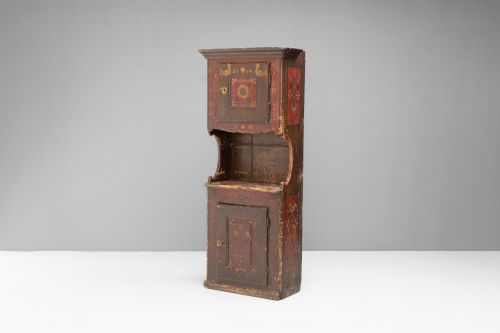
Many survivors retain their original paint, scumble finishes, or have been stripped to raw pine, while others present structural variations like skeleton frames or breakfront proportions. Their forms reflect the practical demands of historic kitchens, pantries, and sculleries before fitted units existed.
Materials and construction methods
Makers built these pantries primarily using solid pine, occasionally pairing the timber with fruitwood on scrub-top tables or incorporating iron, brass, and metal hardware such as hinges and latches. Glass panels appear in select cabinet doors, while others utilise wooden ventilation slats or fielded panels.
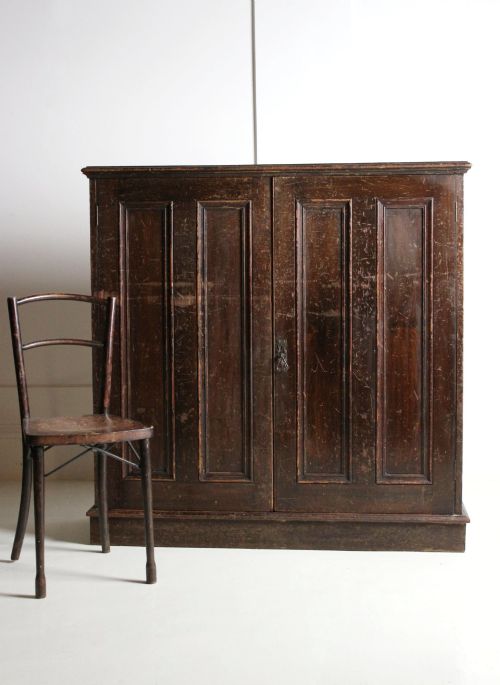
Surface treatments define much of the construction evidence, ranging from plain stained pine to layered paint, scumble painting intended to imitate finer woods like oak, and scrubbed wooden surfaces. Joinery relies on traditional carpentry techniques suited to heavy domestic service in country farmhouses and town kitchens alike.
Vintage Pine Pantry Retail Price Guide 2026
Typical asking prices for vintage pine pantry among the pieces listed under this phrase on Sellingantiques today, from the lower quarter to the upper quarter. They describe what is for sale here now, not the wider market.
Listings feature pine furniture spanning the eighteenth, nineteenth, and early twentieth centuries, including Georgian, Victorian, and Edwardian periods.
Distinctions in quality and survival
Quality in these pieces rests upon the integrity of the original timber and the survival of authentic finishes, such as untouched early paint or scumble work, rather than pristine factory standardisation. Substantial carcases with original panel doors, working iron hardware, and minimal structural alteration stand at the upper end of the survival scale.
The Vintage Pine Pantry Glossary
- Scumble paint
- A translucent glaze brushed over a base coat and manipulated with tools to imitate the grain of more expensive timbers like oak. This decorative technique was widely used on nineteenth-century country furniture.
- Housekeepers cupboard
- A large storage piece traditionally used in substantial homes to store linens, dry goods, and household provisions. They frequently feature multiple doors and internal shelving or peg rails.
- Fielded panel
- A central wood panel with bevelled edges designed to fit tightly into a grooved frame while allowing the timber to expand and contract safely with humidity changes. This construction method adds depth and rigidity to cupboard doors.
- Skeleton cupboard
- A specialised cabinet featuring open wooden frames or slats rather than solid panels, allowing air circulation for food preservation in pantries. Surviving examples retain unique interior configurations.
- Breakfront
- A piece of furniture whose central section projects forward from the flanking outer sections. This architectural form provides visual depth and varied internal storage capacities.
Vintage Pine Pantry: Frequently Asked Questions
What is a vintage pine pantry?
A vintage pine pantry is a historic storage cabinet or larder originating from the eighteenth to early twentieth centuries, built to store food, provisions, and linens in domestic kitchens and sculleries.
These pieces reflect regional country traditions, utilising solid pine and practical hardware to serve the daily needs of historic households before modern fitted kitchens.
How were housekeepers cupboards used?
Housekeepers cupboards served as central storage hubs in large homes, holding household linens, dry foodstuffs, and tableware under lock and key. They were positioned in pantries, hallways, or working kitchens for easy access by domestic staff.
Their deep shelves and compartmented interiors kept provisions organised and protected from pests in eras without refrigeration.
How do I date a pine pantry?
Dating relies on construction methods, hardware types, timber characteristics, and stylistic clues such as fielded panels, pegged joints, and proportions. Eighteenth-century pieces often feature hand-planed surfaces and heavier proportions, while Victorian and Edwardian examples may show machine-sawn elements and different hinge styles.
Paint layers and surface finishes also provide evidence of age, though many pieces were repainted or stripped over generations of use.
Should I keep original paint or strip pine?
Preserving original paint, scumble finishes, or untouched patinated surfaces maintains the historical integrity and character of a vintage pantry. Many collectors prize surviving historic paint layers for the visual record they provide.
Stripping pine to raw wood is a matter of personal taste for modern interiors, but original finishes cannot be replaced once removed.
How do I live with a pine pantry?
Living with a vintage pine pantry involves integrating its substantial scale and rustic storage capacity into modern kitchens, dining rooms, or hallways. Ensure the piece is placed away from direct heat sources to prevent the timber from warping.
Internal shelves can be adjusted or lined to accommodate modern dishware, pantry goods, or linens while preserving the exterior historic character.