



Vintage Pine Linen Chest
A vintage pine linen chest offers honest rustic storage, bringing tactile warmth and generous capacity to any interior.
Vintage Pine Linen Chest
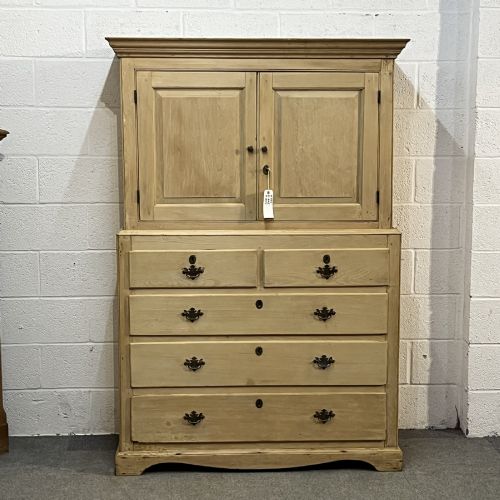
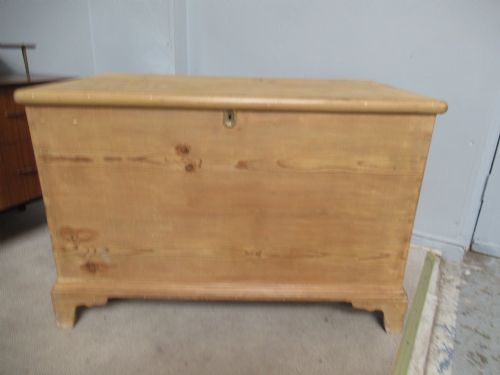
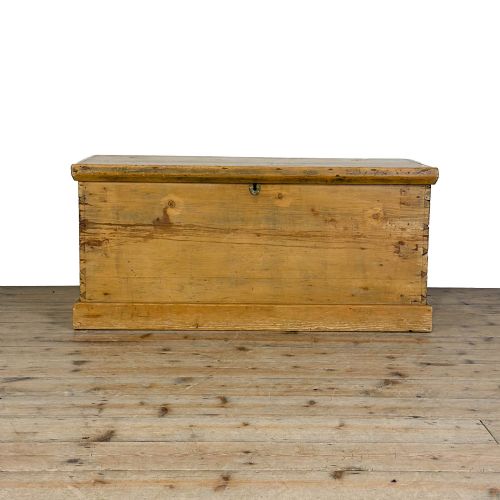
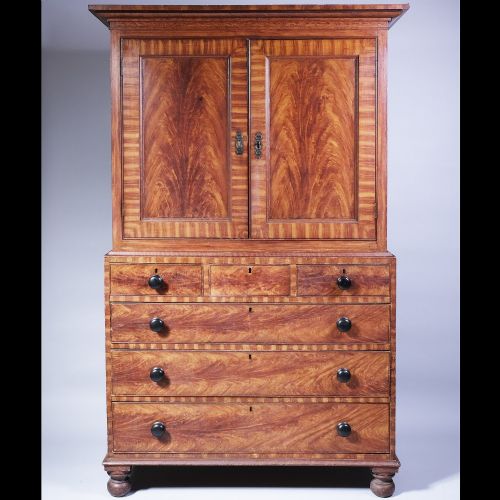
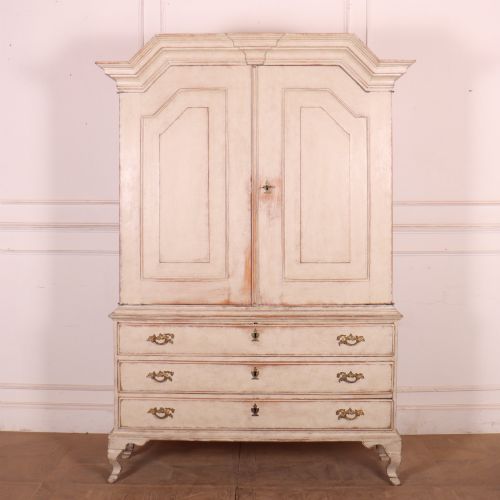
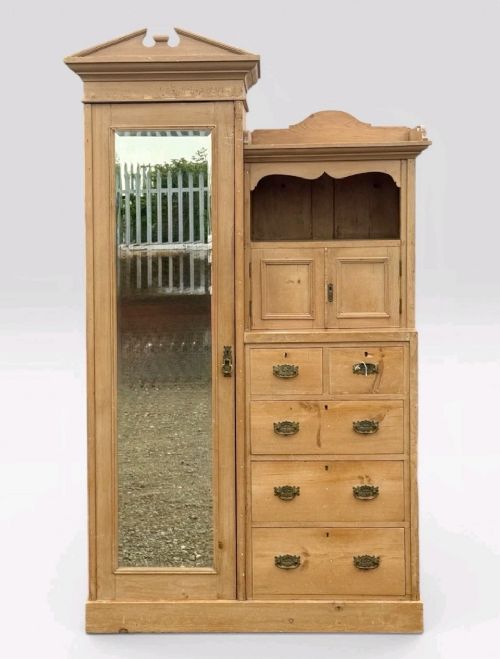
When searching for a vintage pine linen chest, you encounter sturdy storage forms spanning the Georgian, Victorian and nineteenth century periods. These practical pieces range from blanket boxes and trunks to upright cupboards, armoires and linen presses.
The items found here frequently display regional European and British country characteristics, including Swedish country, Scandinavian folk art, Gustavian and Dutch country styles. You are most likely to meet rustic painted finishes alongside stripped natural timber surfaces.
Forms vary from low coffers to monumental housekeeper cupboards and bonnet top cabinets, all originally built to house textiles and household linens. Their enduring appeal lies in this combination of straightforward utility and expressive surface character.
How they were made
Construction relies primarily on solid pine, shaped into carcases, panelled doors and storage boxes using traditional joinery methods. Metal components such as iron and brass provide functional hinges, escutcheons and structural reinforcement.
Many examples utilise surface treatments like scumble painting or decorative layers of paint, reflecting Scandinavian and British country traditions. Occasional details incorporating bone or glass hardware add subtle contrast to the timber and painted surfaces.
Vintage Pine Linen Chest Retail Price Guide 2026
Typical asking prices for vintage pine linen chest among the pieces listed under this phrase on Sellingantiques today, from the lower quarter to the upper quarter. They describe what is for sale here now, not the wider market.
Listings span the Georgian, Victorian and 19th-century periods, featuring pine, painted wood, brass and iron across diverse cupboard and chest formats.
What varies in quality
Quality in these pieces rests upon the integrity of the original construction and the preservation of authentic surface patination. Original painted finishes that have aged naturally carry far greater visual depth than later, unsympathetic repainting.
Proportion and structural balance dictate distinction within country furniture, where simpler vernacular builds sit alongside more formally articulated bonnet top cabinets or architectural linen presses. The treatment of mouldings, panel work and hardware reveals the maker's care.
The Vintage Pine Linen Chest Glossary
- Scumble
- A decorative painting technique involving translucent glaze dragged over a base coat to simulate finer grain or texture. This finish appears frequently on nineteenth-century country cupboards.
- Bonnet top
- An arched or hooded upper pediment found on taller cabinets and presses. It provides a distinctive architectural silhouette to Scandinavian and Victorian case furniture.
- Linen press
- A tall storage piece traditionally combining upper sliding trays or shelves with lower drawers for textiles. These heavy items formed a central part of domestic storage before fitted wardrobes.
- Chifferobe
- A hybrid storage piece combining the hanging space of a wardrobe with the drawers of a chest. It offers versatile internal configuration within a single timber carcase.
- Gustavian
- The Swedish interpretation of neoclassical style, characterised by restrained carving, pale painted finishes and symmetry. Pieces from this tradition often feature muted greys, whites or creams.
Vintage Pine Linen Chest: Frequently Asked Questions
What is a pine linen chest?
A pine linen chest is a solid wood storage box or low cabinet originally built to protect and organise household textiles. These pieces rely on the natural durability of pine to keep linens dry and secure.
They appear in various forms, from simple hinged blanket boxes to more elaborate cupboards, reflecting the domestic storage needs of the eighteenth and nineteenth centuries.
How do I date an antique pine chest?
Dating involves examining construction marks, timber characteristics, hardware and stylistic details such as panel thickness or foot design. Pieces span the Georgian, Victorian and nineteenth-century eras.
Paint layers and surface wear also offer clues to age, distinguishing original regional finishes from later decorative updates.
Where were these painted cupboards made?
Painted cupboards originate from various British and European rural traditions, with strong representation from Swedish, Scandinavian and Dutch country workshops. Each region employed distinct palettes and decorative motifs.
Folk art influences and scumble painted surfaces are particularly common among Scandinavian and continental examples from the 1800s.
How do I care for antique pine furniture?
Care for antique pine involves keeping pieces away from direct heat sources and sudden humidity shifts to prevent timber movement. Dust regularly with a dry cloth and avoid harsh chemical polishes.
Wax can be applied sparingly to maintain the lustre of stripped timber surfaces without building up heavy residues.