



Vintage Pine Framing
Vintage pine framing encompasses timber surrounds, architectural elements and structural cases that bring warmth and character to interior spaces.
Vintage Pine Framing
Vintage pine framing covers structural surrounds, mirror housings, architectural fragments and clock cases constructed primarily from softwood timber. Pieces span the eighteenth, nineteenth and early twentieth centuries, reflecting diverse domestic and institutional origins.
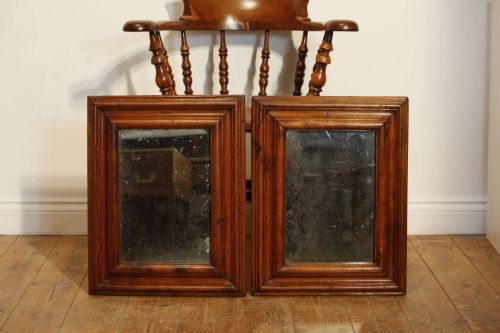
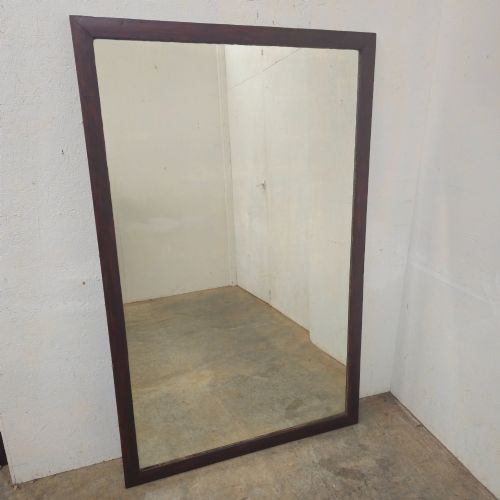
The selection frequently includes mirrors, architectural windows, wall art surrounds and display housings shaped by Victorian, Georgian, Edwardian and rustic farmhouse styles. These items serve both practical architectural functions and decorative roles in modern interiors.
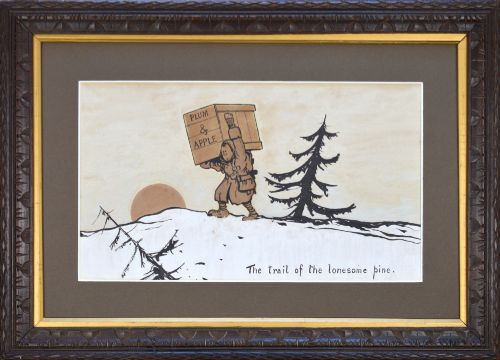
Buyers encounter variations ranging from simple utilitarian framing to elaborate carved pine picture surrounds and ecclesiastical church windows. Each item demonstrates the adaptability of pine across different European and British regional traditions.
Materials and construction methods
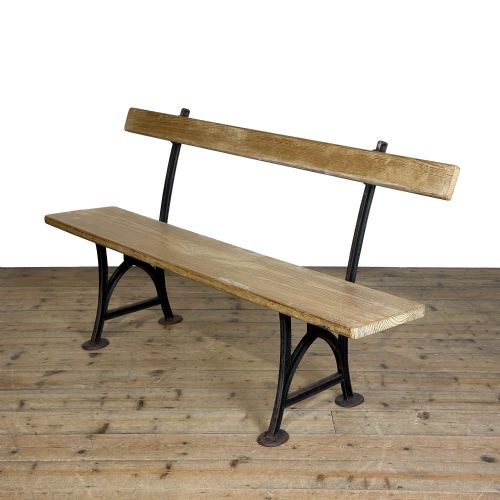
Makers utilised solid pine and pitch pine timber, frequently supplemented by applied paint finishes, glass panels and metal fixings. Construction relies on traditional joinery techniques suited to architectural elements and structural surrounds.
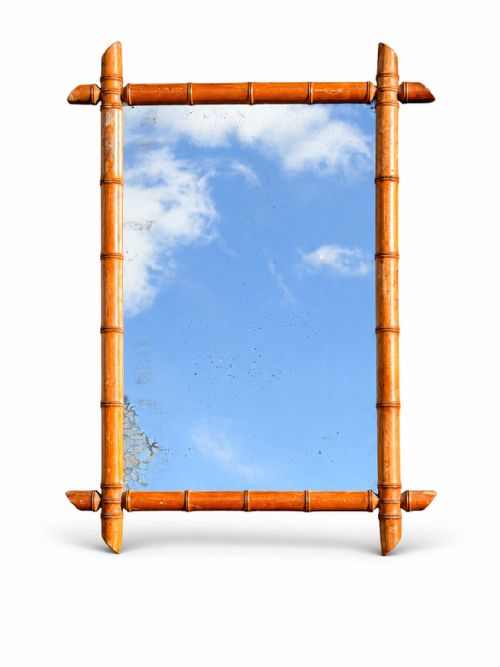
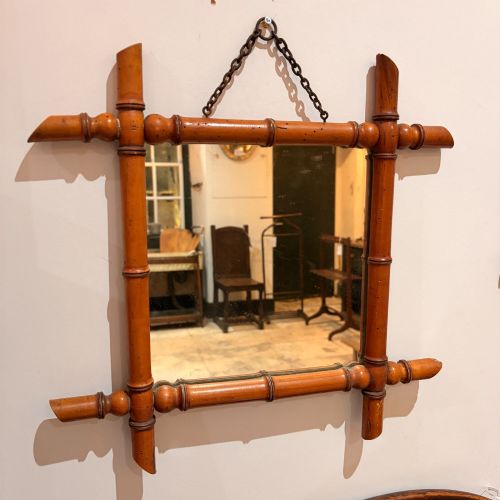
Surface treatments vary from original paint layers and weathered patinas to hand-carved decorative details like faux bamboo or architectural fretwork. These finishes develop distinctive characteristics through age and exposure.
Vintage Pine Framing Retail Price Guide 2026
Typical asking prices for vintage pine framing among the pieces listed under this phrase on Sellingantiques today, from the lower quarter to the upper quarter. They describe what is for sale here now, not the wider market.
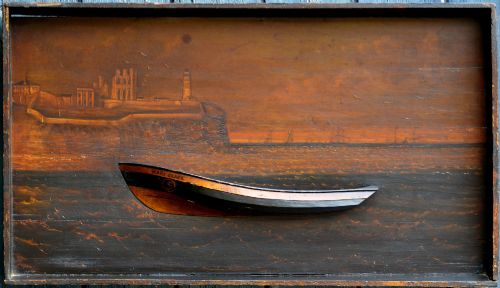
Several items retain remnants of schoolhouse paint and coastal salt air, suggesting the timber spent decades enduring chalkboard dust or maritime weather.
Evaluating craftsmanship and condition
Quality rests in the precision of the joinery, the depth of hand-carved ornamentation and the integrity of the original wooden frame. Superior examples maintain structural stability alongside undisturbed surface patinas.
The retention of original paint, leaded glass panels or early backing materials elevates a piece above standard utilitarian items. Alterations to dimensions or replacement framing elements affect the overall integrity of the object.
The Vintage Pine Framing Glossary
- Pitch pine
- A dense, resinous variety of pine timber known for its durability and distinct grain pattern, frequently utilised in nineteenth-century ecclesiastical and domestic furniture. It resists wear better than standard softwoods.
- Faux bamboo
- A decorative technique where wood is carved or painted to imitate the segmented stalks of natural bamboo. This style gained popularity during the nineteenth century in European mirrors and furniture.
- Fretwork
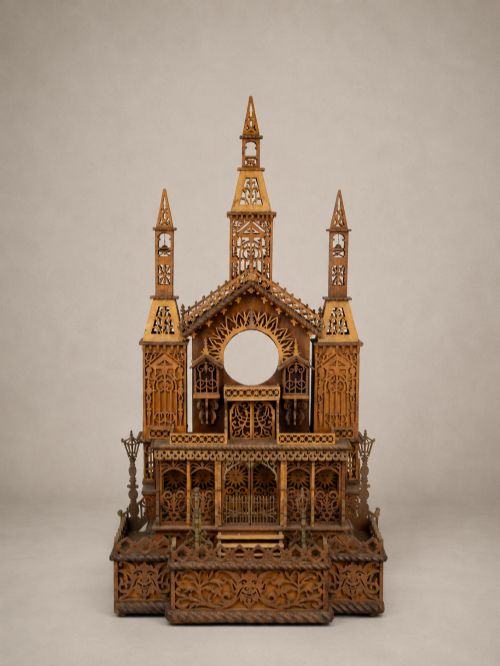
- Ornamental design executed by cutting patterns through thin wood using a fretsaw. It appears on architectural clock cases and decorative framing elements.
- Overmantle
- A large mirror or framed artwork designed specifically to be hung on the wall immediately above a fireplace mantel. These pieces often feature architectural pine surrounds.
- Trestle
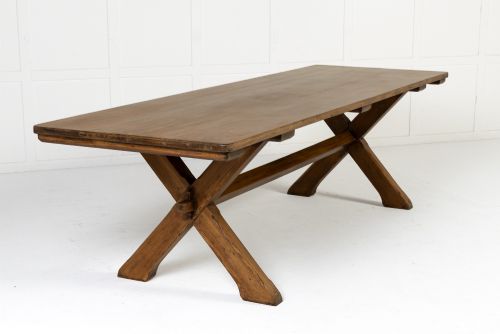
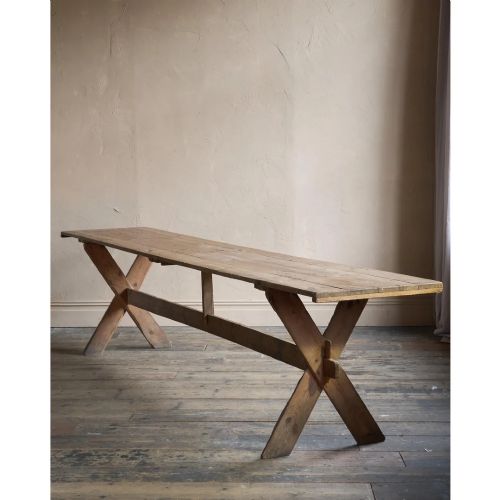
- A structural support consisting of a horizontal beam balanced on two paired legs, commonly utilised in refectory and tavern tables. This design provides sturdy support for heavy timber tops.
Vintage Pine Framing: Frequently Asked Questions
What is vintage pine framing?
Vintage pine framing refers to structural surrounds, architectural elements, mirrors and housings constructed from pine timber during the eighteenth, nineteenth and early twentieth centuries.
These items preserve historical joinery and decorative styles ranging from rustic farmhouse to formal Georgian and Victorian designs.
How do I date a pine frame?
Dating relies on examining the tool marks, construction joints, fixings and surface patinas present on the timber. Hand-cut nails, pegged joints and original paint layers provide reliable chronological indicators.
Stylistic cues such as Gothic Revival motifs or faux bamboo turning also help assign pieces to specific periods like the Victorian or Edwardian eras.
Are these frames suitable for modern interiors?
Pine framing adapts easily to contemporary spaces by introducing textural warmth and historical contrast against neutral walls. Their robust construction makes them practical for everyday use as mirrors, architectural partitions or display surrounds.
Placing older timber elements in modern rooms adds architectural depth without overwhelming the scale of the space.
How should I care for pine framing?
Maintenance involves dusting with a dry cloth and avoiding excessive moisture or direct sunlight that can dry out the timber. Preserving original paint or waxed surfaces requires gentle cleaning rather than abrasive polishing.
Stable indoor humidity prevents the softwood from warping or splitting over time.