


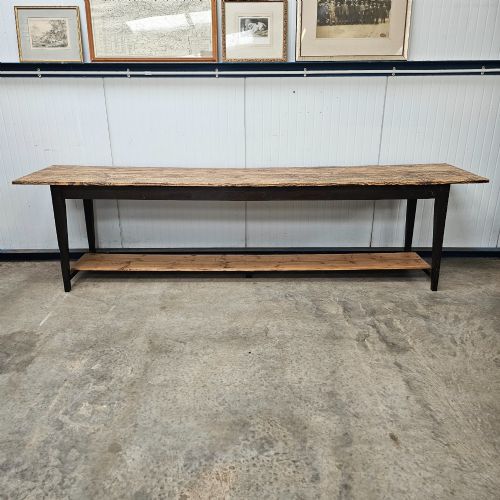
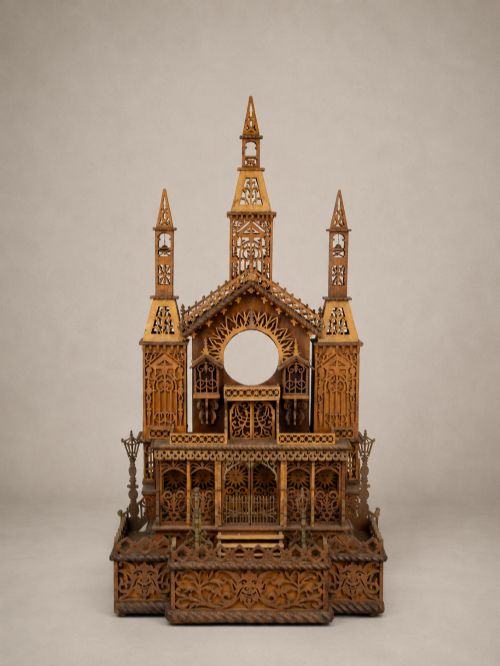
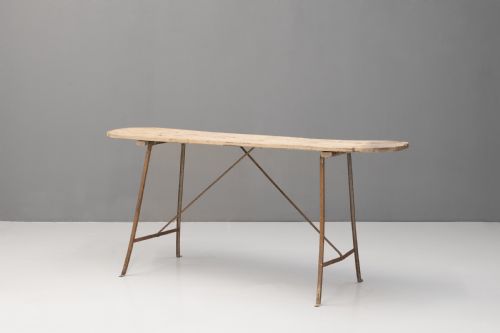


Vintage Pine Frame
These vintage pine frame pieces offer honest warmth and solid timber construction, bringing character and utility to any interior.
Vintage Pine Frame
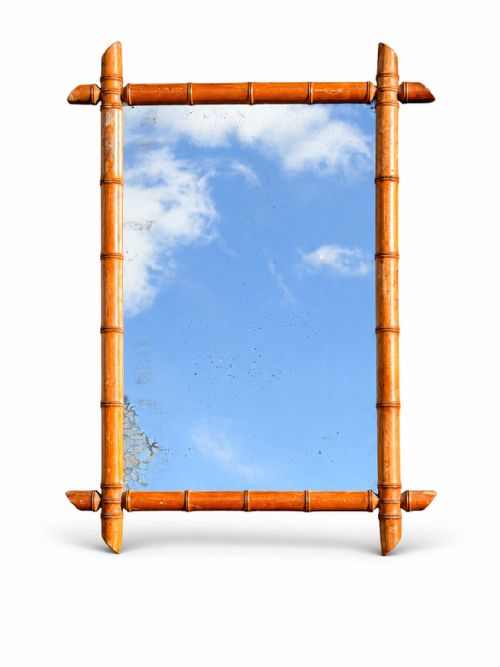
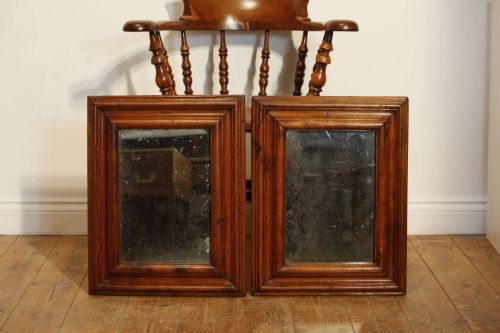
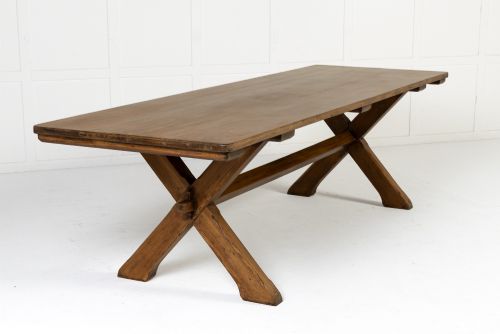
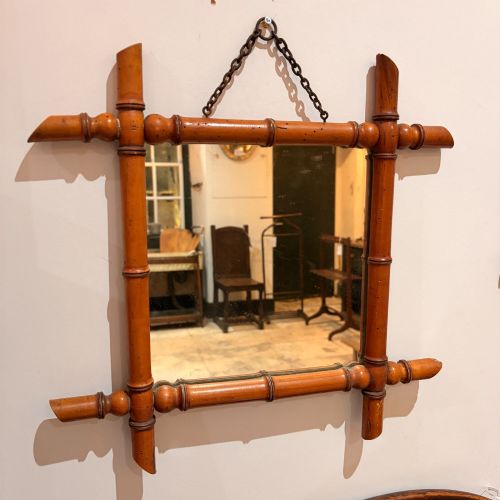
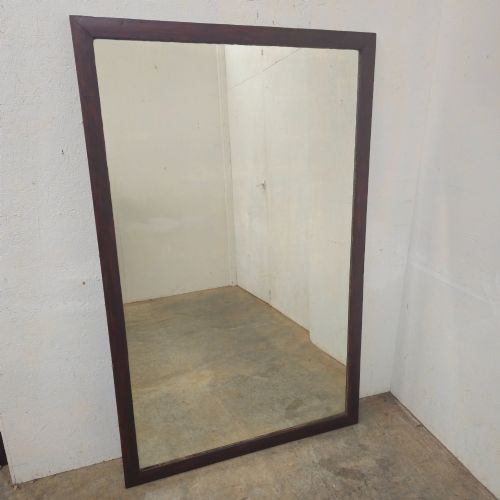
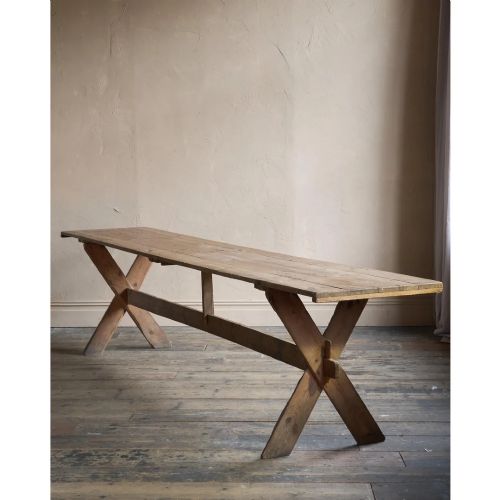
When you search for a vintage pine frame, you are looking at items constructed from softwood timber dating from the eighteenth century through to the early twentieth century. These objects include wall mirrors, picture frames, and architectural surrounds that display the distinct grain and knot patterns typical of pine.
The selections on this page span several stylistic traditions, notably rustic farmhouse, Scandinavian country, and Georgian designs. You will encounter smaller photo frames alongside larger architectural overmantle mirrors and carved mirror surrounds.
Many of these pieces exhibit original painted finishes, weathered patinas, or carved ornamentation. Their origins range from English workshops to French provincial and Scandinavian makers, reflecting diverse regional woodworking traditions.
Materials and construction
Makers utilised native and imported softwood timbers, predominantly pine and pitch pine, often combining them with glass panels, iron fixings, and paper elements. Surfaces frequently retain layers of original paint, wax, or varnish that highlight the natural grain of the wood.
Construction techniques rely on traditional joinery, including hand-carved details, pegged joints, and fretwork. Frames and structural items were built to endure heavy daily use, resulting in sturdy assemblies that showcase the distinct tool marks of the period artisan.
Vintage Pine Frame Retail Price Guide 2026
Typical asking prices for vintage pine frame among the pieces listed under this phrase on Sellingantiques today, from the lower quarter to the upper quarter. They describe what is for sale here now, not the wider market.
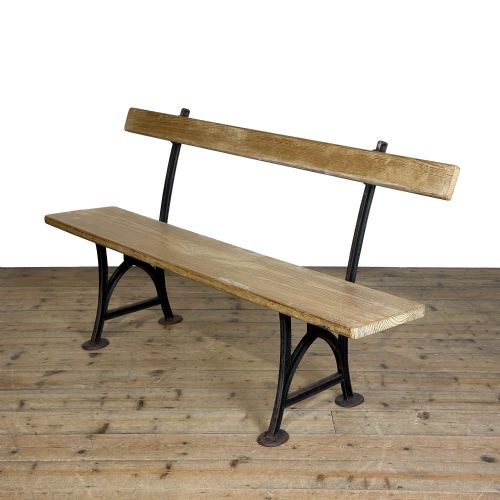
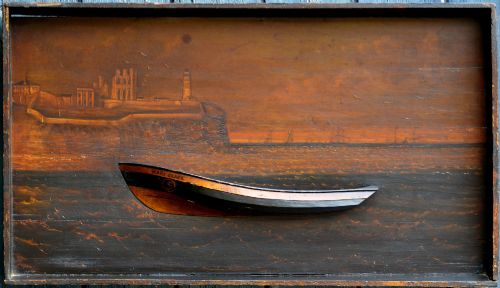
A solitary nineteenth-century hull model sits alongside the mirrors and tables, proving that pine frames are not just for walls.
Assessing quality and character
Quality in these pieces depends on the depth of hand-carving, the integrity of the original timber, and the preservation of early painted surfaces. Finer examples feature crisp architectural moulding, balanced proportions, and minimal later intervention.
The distinction between ordinary utility items and superior pieces often lies in the sophistication of the joinery and the survival of untouched patination. Pieces that retain their original glass, backboards, and authentic fixings command greater interest from collectors.
Bruce Bairnsfather·W Williams·William Williams·Emily M Paterson
The Vintage Pine Frame Glossary
- Pine
- A softwood timber derived from coniferous trees, widely utilised for furniture and architectural elements due to its workability and distinct grain pattern. It takes paint and wax finishes readily.
- Pitch pine
- A denser, more resinous variety of pine known for its durability and prominent grain figure, often selected for heavier furniture and ecclesiastical items.
- Fretwork
- Openwork ornamentation carved or pierced through wood, frequently seen on architectural clock cases and decorative frames from the nineteenth century.
- Patina
- The surface sheen and colour acquired by wood and paint through age, use, and exposure to light over decades or centuries.
- Overmantle mirror
- A large wall mirror designed specifically to be hung above a fireplace mantel, often featuring an architectural frame.
Vintage Pine Frame: Frequently Asked Questions
How do I date a pine frame?
Dating relies on examining construction methods, tool marks, and the type of fixings used in the assembly. Earlier pieces from the eighteenth and early nineteenth centuries often feature hand-sawn timber and forged iron nails.
Surface treatments also provide clues, as original paints, early varnishes, and beeswax finishes age in characteristic ways that modern reproductions cannot replicate.
How should I clean a painted pine frame?
Maintenance requires gentle dusting with a soft, dry cloth to prevent dirt accumulation in carved crevices and mouldings. Avoid harsh chemical cleaners and excessive water, which can strip original paint layers and soften aged wood.
If the wood appears dry, a light application of traditional microcrystalline wax can help protect the surface and enhance the natural patina.
What distinguishes pitch pine from standard pine?
Pitch pine contains a higher resin content, which gives the timber a heavier weight, greater durability, and a distinct reddish-brown tone with strong grain contrast. It was frequently utilised for institutional, industrial, and heavy furniture.
Standard pine tends to be lighter in weight and colour, making it the preferred choice for domestic painted furniture and decorative wall frames.